


As a Fine Pitch SMT supplier, I've seen firsthand the challenges that come with solder paste drying in this process. Fine Pitch SMT is a critical technology in the electronics manufacturing industry, especially for high - density circuit boards. But the issue of solder paste drying can really throw a wrench in the works. Let's dig into what these issues are and how they can impact the overall SMT process.
1. Impact on Print Quality
One of the most immediate issues with solder paste drying is its effect on print quality. When solder paste dries out, it loses its ability to flow smoothly through the stencil apertures during the printing process. The dried paste becomes more viscous, and it can clog the stencil. This leads to inconsistent deposits of solder paste on the PCB pads.
For example, if the paste is too dry, it might not fill the stencil apertures completely, resulting in insufficient solder on the pads. On the other hand, if the paste clumps due to drying, it can cause bridging between adjacent pads. Bridging is a major problem as it can lead to short - circuits in the final assembled board. And let's face it, no one wants to deal with products that short - circuit right out of the gate.
2. Component Placement Challenges
Once the solder paste is printed on the PCB, the next step is component placement. Dried solder paste can make this step a real headache. Components need to be placed on the PCB with the correct amount of solder paste to ensure a good electrical connection. When the paste is dry, it doesn't adhere to the components as well as fresh paste.
This means that during the placement process, components may not stick properly to the PCB. They could shift or even fall off the board. And if a component isn't in the right place, it can cause all sorts of problems down the line. It might not function correctly, or it could lead to other components being affected as well.
3. Reflow Soldering Problems
Reflow soldering is the process where the solder paste is heated to melt and form a permanent connection between the components and the PCB. Dried solder paste can cause issues during this stage too.
The drying process can change the chemical composition of the solder paste. When it comes time to reflow, the dried paste may not melt evenly. This can result in incomplete soldering joints. Some parts of the joint may have insufficient solder, while others may have excess solder. These inconsistent joints can lead to reliability issues in the final product.
4. Causes of Solder Paste Drying
There are several factors that can cause solder paste to dry out. One of the main culprits is improper storage. Solder paste should be stored in a cool, dry place. If it's exposed to high temperatures or humidity, it can start to dry out quickly.
Another cause is extended exposure to air. Once the solder paste container is opened, the paste is in contact with the air, and the solvents in the paste start to evaporate. The longer the paste is left open, the more likely it is to dry.
The environment in the SMT production area also plays a role. If the air in the production area is too dry or too hot, it can accelerate the drying process of the solder paste.
5. Solutions to Solder Paste Drying
To combat the issue of solder paste drying, there are several steps that can be taken. First, proper storage is key. Make sure to store the solder paste in a refrigerator at the recommended temperature. When you're ready to use it, allow it to warm up to room temperature before opening the container. This helps to prevent condensation from forming on the paste, which can also cause problems.
During the printing process, try to minimize the time the solder paste is exposed to air. Use a closed - loop stencil printing system if possible. This can help to reduce the amount of air that comes into contact with the paste.
It's also important to monitor the environment in the SMT production area. Use a humidity and temperature control system to keep the conditions stable. This can slow down the drying process of the solder paste.
6. Importance of SMT Stencil Design
When dealing with Fine Pitch SMT, the SMT Stencil Design is crucial. A well - designed stencil can help to mitigate some of the issues related to solder paste drying.
The stencil apertures need to be the right size and shape to ensure proper solder paste deposition. If the apertures are too small, the dried paste may have an even harder time flowing through. On the other hand, if they're too large, it can lead to over - deposition of solder paste.
A good stencil design also takes into account the type of solder paste being used. Different solder pastes have different properties, and the stencil design should be optimized for the specific paste.
7. High Volume PCB Assembly and Solder Paste Drying
In High Volume PCB Assembly, the issue of solder paste drying becomes even more critical. With a large number of PCBs being assembled, any problems with solder paste can quickly add up.
Each board needs to have consistent solder paste deposits to ensure high - quality assembly. If the paste is drying out, it can lead to a high rate of defective boards. This not only increases production costs but also delays the delivery of the final products.
8. Fine Pitch SMT and Its Unique Challenges
In Fine Pitch SMT, the components are much smaller and closer together. This means that the requirements for solder paste deposition are even more precise.

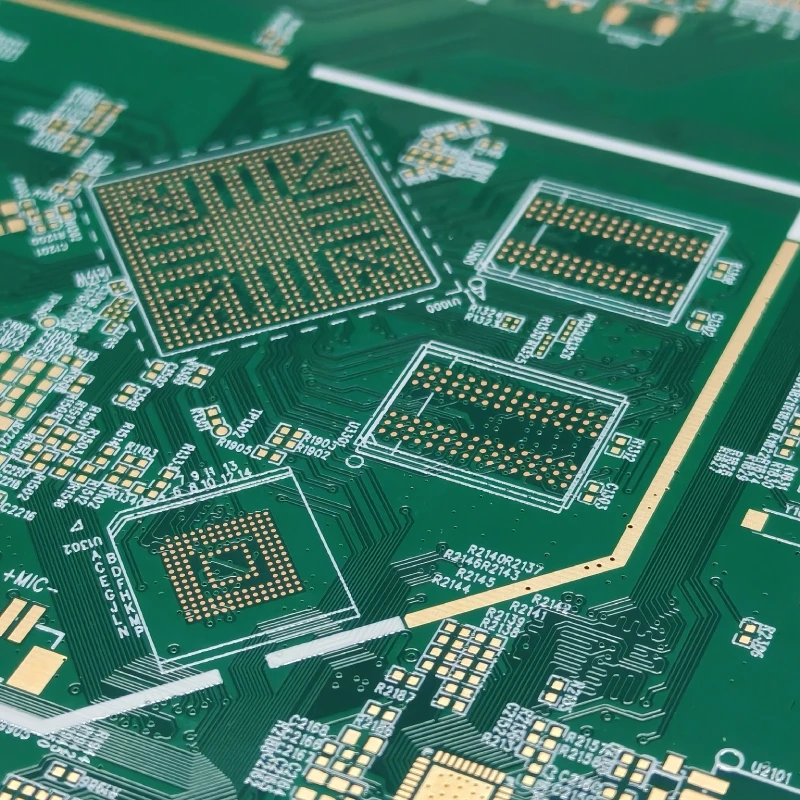
The issue of solder paste drying can have a more significant impact on Fine Pitch SMT. Even a small amount of dried paste can cause bridging or insufficient solder on the tiny pads. And since the components are so small, it's much harder to correct any soldering issues.
Conclusion
As a Fine Pitch SMT supplier, I know how important it is to address the issue of solder paste drying. It can have a major impact on the quality and reliability of the final products. By understanding the causes and taking the appropriate steps to prevent drying, we can ensure a smooth SMT process.
If you're in the market for Fine Pitch SMT services or have any questions about solder paste drying, don't hesitate to reach out. We're here to help you with all your SMT needs and ensure that your products are of the highest quality.
References
- "Surface Mount Technology: Principles and Practice" by C. P. Wong
- "Solder Paste Technology Handbook" by John H. Lau


