


As a supplier of MCPCB (Metal Core Printed Circuit Board), I've witnessed firsthand the crucial role these boards play in various industries, from LED lighting to power electronics. One factor that significantly affects the performance and lifespan of MCPCBs is UV radiation. In this blog, I'll delve into the impact of UV radiation on MCPCBs and why it's essential for manufacturers and end - users to understand this phenomenon.
Understanding UV Radiation
UV radiation is a form of electromagnetic radiation with wavelengths shorter than visible light, ranging from 100 to 400 nanometers (nm). It is divided into three main types: UVA (320 - 400 nm), UVB (280 - 320 nm), and UVC (100 - 280 nm). UVC is mostly absorbed by the Earth's atmosphere, while UVA and UVB reach the surface and can have various effects on materials, including MCPCBs.
Effects of UV Radiation on MCPCBs
1. Degradation of the PCB Substrate
The substrate of an MCPCB is a critical component that provides mechanical support and electrical insulation. Most MCPCBs use an aluminum core, which is covered with a dielectric layer. When exposed to UV radiation, the dielectric layer can undergo chemical changes.
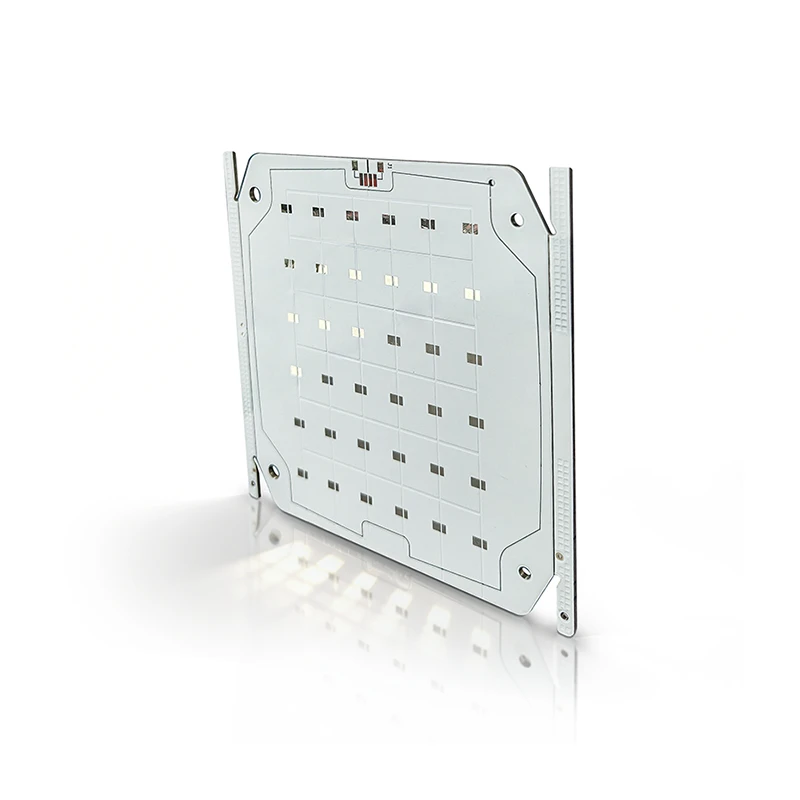
UVB radiation, in particular, has enough energy to break chemical bonds in the dielectric material. This can lead to a reduction in its dielectric strength, which is the ability of the material to withstand electrical stress without breaking down. As the dielectric strength decreases, the risk of electrical short - circuits and failures in the MCPCB increases.
Over time, the UV - induced degradation of the dielectric layer can also cause delamination. Delamination occurs when the different layers of the MCPCB separate from each other, which can disrupt the electrical connections and compromise the overall performance of the board.
2. Impact on Solder Joints
Solder joints are used to connect components to the MCPCB. UV radiation can have a negative impact on these joints. The high - energy photons in UV light can cause oxidation of the solder material. Oxidation forms a layer of metal oxide on the surface of the solder, which can increase the electrical resistance at the joint.
Higher resistance means more heat is generated at the solder joint during operation. Excessive heat can further weaken the joint, leading to mechanical failure. In extreme cases, the solder joint can break, causing the component to become disconnected from the board and rendering the MCPCB inoperable.
3. Discoloration and Aesthetic Issues
UV radiation can cause discoloration of the MCPCB. The outer layers of the board, such as the solder mask and silkscreen, can fade or change color when exposed to UV light. This is not only an aesthetic concern but can also indicate underlying material degradation.
For applications where the appearance of the MCPCB is important, such as in consumer electronics or high - end lighting fixtures, discoloration can be a significant problem. It can make the product look old or of poor quality, which may affect its marketability.
Mitigating the Impact of UV Radiation on MCPCBs
1. UV - Resistant Materials
One way to reduce the impact of UV radiation is to use UV - resistant materials in the manufacturing of MCPCBs. For the dielectric layer, there are specialized materials available that have better resistance to UV degradation. These materials are designed to withstand the chemical changes caused by UV light and maintain their dielectric properties over time.
Similarly, for the solder mask and silkscreen, UV - resistant inks can be used. These inks are formulated to resist fading and discoloration when exposed to UV radiation, ensuring that the MCPCB maintains its appearance and functionality.
2. Protective Coatings
Applying a protective coating to the MCPCB can also provide a barrier against UV radiation. There are various types of coatings available, such as conformal coatings. Conformal coatings are thin layers of material that are applied to the surface of the PCB to protect it from environmental factors, including UV radiation.
These coatings can be made from materials like acrylic, silicone, or urethane. They can effectively block UV light from reaching the underlying components and substrate of the MCPCB, reducing the risk of degradation.
3. Design Considerations
In the design phase, certain considerations can be made to minimize the exposure of the MCPCB to UV radiation. For example, the layout of the board can be designed in such a way that sensitive components are shielded from direct UV exposure. This can involve using physical barriers or arranging the components in a way that reduces their exposure to sunlight or other UV sources.
The Importance of Testing for UV Resistance
As an MCPCB supplier, I understand the importance of testing our products for UV resistance. We conduct various tests to ensure that our MCPCBs can withstand the expected levels of UV radiation in their intended applications.
One common test is the accelerated UV aging test. In this test, the MCPCB is exposed to high - intensity UV light for a specific period of time. This simulates the effects of long - term exposure to UV radiation in a shorter time frame. After the test, the board is inspected for signs of degradation, such as changes in dielectric strength, solder joint integrity, and discoloration.
By conducting these tests, we can identify any potential issues with our MCPCBs and make necessary improvements to enhance their UV resistance. This ensures that our customers receive high - quality products that can perform reliably in UV - exposed environments.
Conclusion
UV radiation can have a significant impact on the performance and lifespan of MCPCBs. From degrading the substrate and solder joints to causing discoloration, the effects of UV exposure can be detrimental to the functionality and appearance of the boards.
As a supplier of MCPCBs, we are committed to providing products that are resistant to UV radiation. We use high - quality, UV - resistant materials, apply protective coatings, and conduct rigorous testing to ensure the reliability of our MCPCBs.
If you are in the market for high - quality MCPCBs, especially those that need to withstand UV radiation, we are here to help. Our team of experts can work with you to understand your specific requirements and provide the best solutions. Whether you are involved in LED lighting, power electronics, or any other industry that uses MCPCBs, we can offer products that meet your needs.
For more information about our Aluminum PCB, you can visit Aluminum PCB. Contact us to discuss your procurement needs and start a partnership with us today.
References
- "Handbook of Printed Circuit Board Technology" by Clyde F. Coombs Jr.
- "Electromagnetic Radiation and Its Effects on Electronic Components" by John D. Kraus
- "UV Degradation of Polymers and Composites" by Maria M. F. Fortunato


