


Hey there! As a supplier of Metal Core Printed Circuit Boards (MCPCBs), I often get asked about the moisture resistance of MCPCBs. So, let's dive right into it and explore what moisture resistance means for MCPCBs and why it's such a big deal.
First off, what exactly is moisture resistance? In simple terms, it's the ability of a material to withstand the effects of moisture. For a MCPCB, this is super important because moisture can cause all sorts of problems. When a MCPCB is exposed to moisture, it can lead to corrosion of the metal components. The metal core, which is usually made of aluminum in most cases (you can learn more about Aluminum PCB), is at risk if there isn't proper moisture resistance. Corrosion can weaken the structure of the PCB and also affect its electrical conductivity.
Another issue that moisture can bring is the growth of mold and mildew. These organisms love damp environments, and if they start to grow on a MCPCB, they can damage the PCB's substrate and the components soldered on it. This doesn't just look bad; it can also disrupt the normal operation of the PCB, leading to malfunctions or even complete failure of the electronic device it's a part of.
Now, let's talk about how we, as MCPCB suppliers, ensure good moisture resistance for our products. One of the key steps is choosing the right materials. The dielectric layer, which separates the metal core from the copper traces, plays a crucial role here. We select high - quality dielectric materials that have low water absorption rates. This means that they won't soak up moisture easily, protecting the rest of the PCB from the harmful effects of water.
The copper traces on the MCPCB are also treated to enhance their moisture resistance. We use special coatings that act as a barrier between the copper and the surrounding environment. These coatings can prevent oxidation and corrosion, even when the PCB is exposed to a certain level of moisture.
In addition to material selection, the manufacturing process is also optimized to improve moisture resistance. During the assembly of the MCPCB, we make sure that all the components are properly sealed. This includes using high - quality soldering techniques to ensure that there are no gaps where moisture can seep in. We also perform strict quality control checks to make sure that the finished MCPCBs meet our high standards for moisture resistance.
But how do we test the moisture resistance of our MCPCBs? Well, we use a variety of methods. One common test is the humidity chamber test. In this test, we place the MCPCBs in a chamber with a controlled high - humidity environment for a certain period of time. Then we check for any signs of corrosion, mold growth, or changes in electrical properties. If the MCPCBs pass this test, it means they have good moisture resistance.
Another test we use is the salt spray test. This test simulates the harsh conditions of a coastal environment, where the air is filled with salt particles and moisture. By spraying a salt - water solution on the MCPCBs and observing their performance over time, we can determine how well they can resist corrosion in a real - world scenario.
The importance of moisture resistance can't be overstated, especially in certain industries. In the automotive industry, for example, MCPCBs are used in a wide range of applications, from engine control units to lighting systems. These components are often exposed to moisture from rain, snow, or even condensation. If the MCPCBs don't have good moisture resistance, they can fail, which could lead to serious safety issues.
The LED lighting industry also relies heavily on MCPCBs. LED lights generate heat, and MCPCBs are used to dissipate this heat effectively. However, many LED lighting fixtures are installed outdoors or in damp environments, such as bathrooms or kitchens. Without proper moisture resistance, the MCPCBs in these fixtures can degrade over time, reducing the lifespan of the LED lights and affecting their performance.
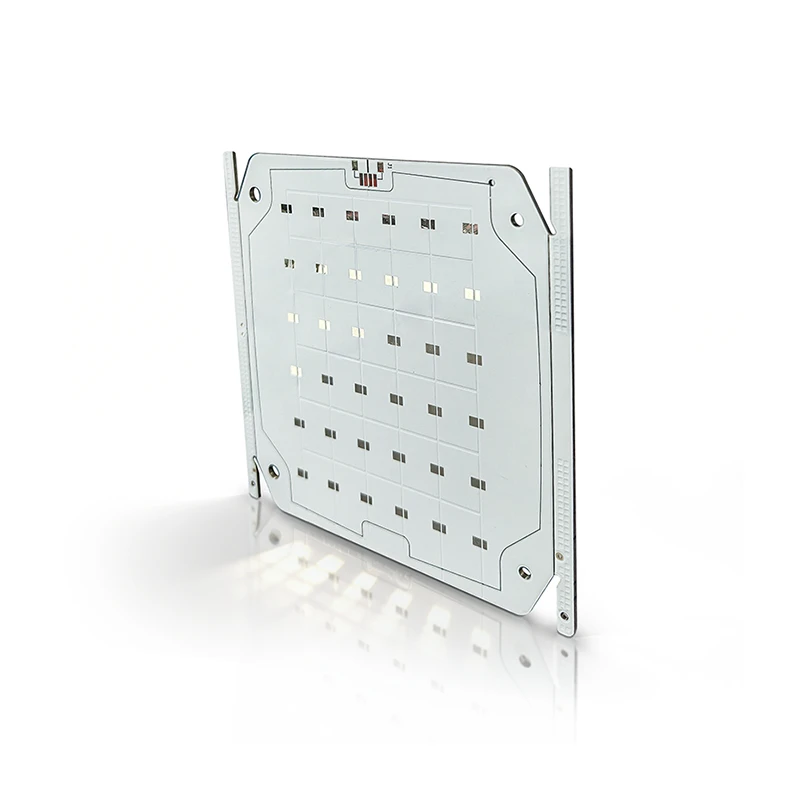
As a MCPCB supplier, we understand the diverse needs of our customers. That's why we offer a range of MCPCBs with different levels of moisture resistance. Whether you need a PCB for a simple indoor application or a more demanding outdoor environment, we can provide you with the right solution.
If you're in the market for high - quality MCPCBs with excellent moisture resistance, we'd love to hear from you. We can work with you to understand your specific requirements and provide customized solutions. Whether you're a small startup or a large corporation, we're committed to delivering the best products and services. So, don't hesitate to reach out to us for procurement and let's start a great business relationship.
References:
- Industry reports on MCPCB manufacturing and performance
- Technical papers on the effects of moisture on electronic components


