


Component orientation in SMT (Surface Mount Technology) assembly services is a critical aspect that significantly impacts the overall quality, functionality, and reliability of printed circuit boards (PCBs). As a leading provider of SMT assembly services, I have witnessed firsthand the importance of proper component orientation in ensuring the success of electronic products. In this blog post, I will delve into the significance of component orientation in SMT assembly services and how it can affect the performance of PCBs.
Understanding Component Orientation
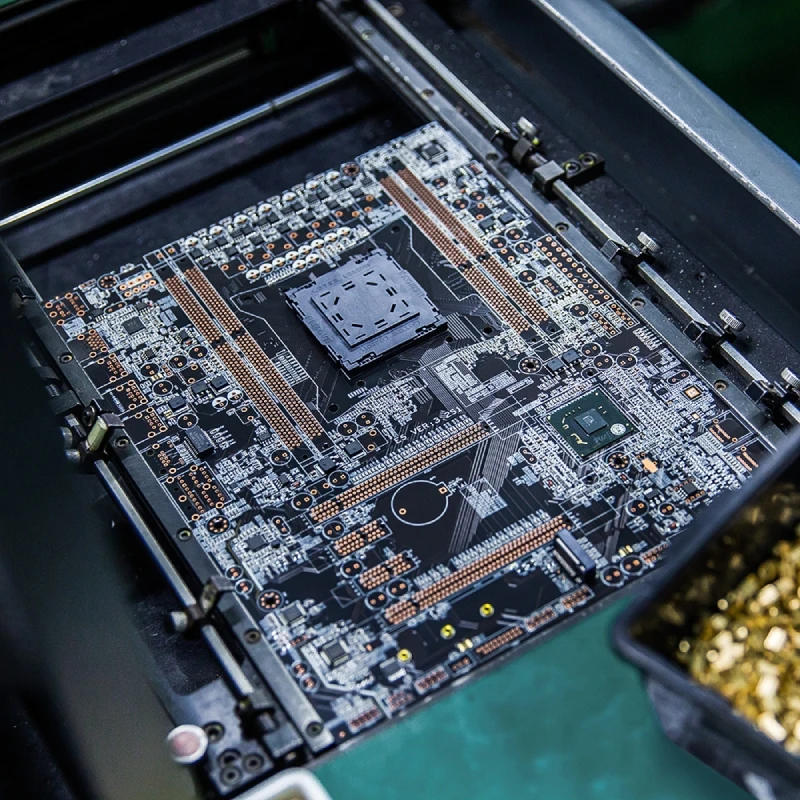
Component orientation refers to the position and alignment of electronic components on a PCB during the SMT assembly process. It involves placing components in the correct direction and orientation to ensure they function as intended. Components such as resistors, capacitors, integrated circuits (ICs), and connectors need to be placed accurately to establish proper electrical connections and avoid short circuits or other electrical issues.
Importance of Component Orientation in SMT Assembly
Electrical Performance
Proper component orientation is crucial for maintaining the electrical performance of PCBs. Components are designed to operate in specific directions, and incorrect orientation can lead to issues such as signal interference, reduced functionality, or even complete failure of the circuit. For example, an IC with a specific pinout needs to be placed correctly to ensure that the signals are routed properly and the device functions as expected.
Mechanical Stability
Component orientation also plays a role in the mechanical stability of PCBs. Components that are not properly oriented may be more prone to vibration, shock, or other mechanical stresses, which can lead to component damage or failure over time. By ensuring that components are placed in the correct orientation, we can improve the mechanical integrity of the PCB and reduce the risk of mechanical failures.
Manufacturing Efficiency
Correct component orientation is essential for efficient SMT assembly. Automated pick-and-place machines are used to place components on the PCB, and they rely on accurate component orientation to ensure that the components are placed correctly. If components are not oriented properly, it can lead to misplacements, which can cause production delays, increase scrap rates, and ultimately increase costs.
Thermal Management
Proper component orientation can also affect the thermal management of PCBs. Components generate heat during operation, and correct orientation can help to ensure that heat is dissipated effectively. For example, heat sinks and other thermal management components need to be placed in the correct orientation to maximize their cooling efficiency.
Challenges in Component Orientation
Despite the importance of component orientation, there are several challenges that can arise during the SMT assembly process. Some of these challenges include:
Component Design
The design of components can sometimes make it difficult to determine the correct orientation. Some components may have similar markings or shapes, making it easy to confuse the orientation. Additionally, some components may have non-standard pinouts or packaging, which can further complicate the orientation process.
Assembly Process
The SMT assembly process involves multiple steps, including component placement, soldering, and inspection. Each step can introduce potential errors in component orientation. For example, if a component is placed incorrectly during the pick-and-place process, it may not be detected until later in the assembly process, which can lead to rework or scrap.
Human Error
Human error is another common challenge in component orientation. Operators may make mistakes when handling components or setting up the assembly equipment, which can result in incorrect component orientation. To minimize human error, it is important to provide proper training and use automated systems to assist with component placement.
Strategies for Ensuring Correct Component Orientation
To overcome the challenges associated with component orientation, we implement several strategies in our SMT assembly services:
Design Review
We conduct a thorough design review to ensure that the PCB layout and component placement are optimized for proper component orientation. This includes checking for component markings, pinouts, and packaging to ensure that they are clear and easy to identify.
Component Verification
Before the assembly process begins, we verify the orientation of each component to ensure that it is correct. This involves using automated inspection systems and manual verification to confirm the orientation of components.
Assembly Equipment Calibration
We regularly calibrate our assembly equipment to ensure that it is accurate and reliable. This includes calibrating the pick-and-place machines, soldering equipment, and inspection systems to ensure that they are operating within the specified tolerances.
Operator Training
We provide comprehensive training to our operators to ensure that they understand the importance of component orientation and how to properly handle and place components. This includes training on component identification, orientation, and assembly techniques.
Applications of Component Orientation in SMT Assembly
Component orientation is important in a wide range of applications, including:
Consumer Electronics
In consumer electronics, such as smartphones, tablets, and laptops, component orientation is critical for ensuring the proper functioning of the device. Incorrect component orientation can lead to issues such as screen flickering, battery drain, or other performance problems.
Automotive Electronics
In the automotive industry, component orientation is essential for ensuring the safety and reliability of electronic systems. Components such as sensors, control modules, and power electronics need to be placed correctly to ensure that they function properly and do not cause any safety hazards.

Industrial Electronics
In industrial applications, component orientation is important for ensuring the reliability and performance of electronic equipment. Components such as programmable logic controllers (PLCs), motor drives, and power supplies need to be placed correctly to ensure that they operate efficiently and do not cause any downtime.
Conclusion
In conclusion, component orientation is a critical aspect of SMT assembly services that significantly impacts the quality, functionality, and reliability of PCBs. By ensuring that components are placed in the correct orientation, we can improve the electrical performance, mechanical stability, manufacturing efficiency, and thermal management of PCBs. At our SMT assembly services, we understand the importance of component orientation and have implemented several strategies to ensure that our customers receive high-quality PCBs that meet their specifications.
If you are in need of SMT assembly services, we invite you to [contact us](insert your contact page link) to discuss your project requirements. Our team of experienced engineers and technicians will work closely with you to ensure that your PCBs are assembled to the highest standards.
References
- Smith, J. (2018). Surface Mount Technology: Principles and Practice. Wiley.
- Jones, A. (2019). PCB Design for Manufacturability. Elsevier.
- Brown, C. (2020). SMT Assembly: A Practical Guide. Springer.


