


As an MCPCB (Metal Core Printed Circuit Board) supplier, I often encounter questions regarding the environmental regulations associated with MCPCB disposal. In this blog, I'll delve into the topic, exploring the existing environmental regulations, their implications for MCPCB disposal, and how we, as an industry, can navigate this complex landscape.
Understanding MCPCBs and Their Composition
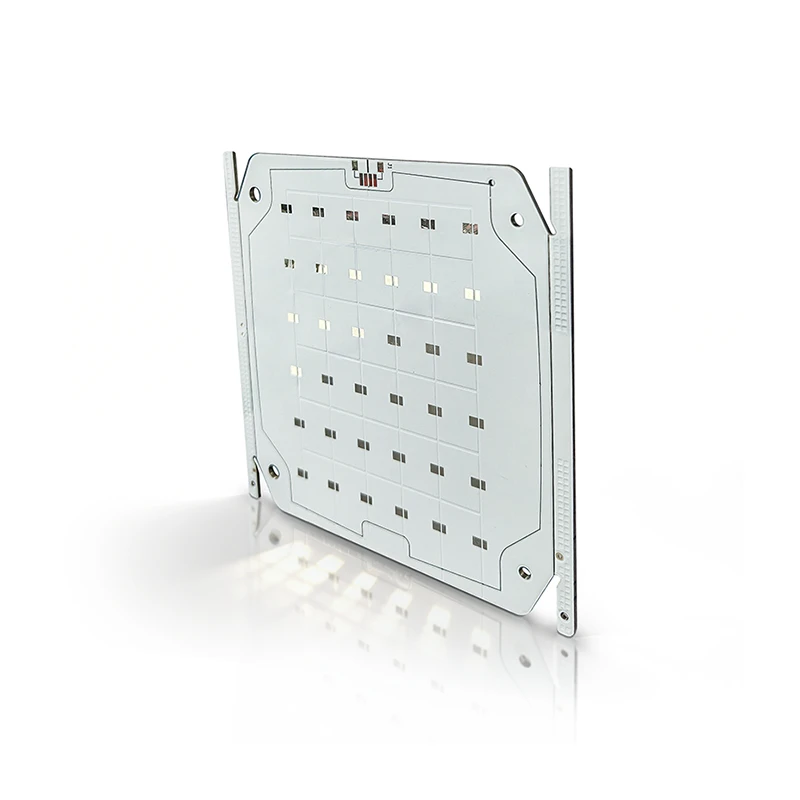
Before we jump into the regulations, it's essential to understand what MCPCBs are and what they're made of. MCPCBs are a type of printed circuit board that uses a metal core, typically aluminum, to provide better thermal management. The Aluminum PCB is one of the most common types of MCPCBs, known for its excellent heat dissipation properties.
The basic structure of an MCPCB consists of a metal base layer, an insulating dielectric layer, and a copper circuit layer. The metal base layer, usually aluminum, provides mechanical support and conducts heat away from the components. The dielectric layer insulates the copper circuit from the metal base while allowing heat to pass through. The copper circuit layer contains the electrical pathways that connect the various components on the board.
Environmental Concerns Associated with MCPCB Disposal
MCPCB disposal poses several environmental concerns due to the materials they contain. The copper circuit layer, for example, is a valuable resource, but if not properly recycled, it can end up in landfills, contributing to resource depletion. Additionally, some MCPCBs may contain hazardous substances such as lead, mercury, and brominated flame retardants, which can leach into the soil and water if not disposed of correctly.
The aluminum base layer, while generally considered a more environmentally friendly material, also requires proper recycling to prevent waste. Aluminum production is energy-intensive, and recycling aluminum can significantly reduce energy consumption and greenhouse gas emissions.
Global Environmental Regulations for MCPCB Disposal
Environmental regulations for MCPCB disposal vary from country to country, but there are some common themes and international agreements that guide these regulations.
Basel Convention
The Basel Convention on the Control of Transboundary Movements of Hazardous Wastes and Their Disposal is an international treaty designed to protect human health and the environment from the adverse effects of hazardous waste. Under the Basel Convention, countries are required to minimize the generation of hazardous waste, ensure its environmentally sound management, and prevent its illegal transboundary movement.
MCPCBs that contain hazardous substances may be classified as hazardous waste under the Basel Convention. This means that their disposal must comply with strict regulations, including proper packaging, labeling, and documentation. Transboundary movements of hazardous MCPCBs are also subject to prior informed consent from both the exporting and importing countries.
European Union's Waste Electrical and Electronic Equipment (WEEE) Directive
The WEEE Directive is a European Union directive that aims to reduce the environmental impact of electrical and electronic equipment (EEE) throughout its life cycle, including disposal. Under the WEEE Directive, producers of EEE, including MCPCB suppliers, are responsible for the collection, treatment, recycling, and disposal of their products at the end of their life.
The directive sets specific targets for the collection and recycling of WEEE, including MCPCBs. It also requires that WEEE be treated in an environmentally sound manner, using appropriate technologies to recover valuable materials and minimize the release of hazardous substances.
United States Environmental Protection Agency (EPA) Regulations
In the United States, the EPA regulates the disposal of electronic waste, including MCPCBs, under the Resource Conservation and Recovery Act (RCRA). RCRA establishes a framework for the management of hazardous and non-hazardous waste, including requirements for waste generation, storage, transportation, treatment, and disposal.
MCPCBs that contain hazardous substances may be subject to RCRA regulations, which require proper handling, treatment, and disposal. The EPA also encourages the recycling of electronic waste to recover valuable materials and reduce the environmental impact of disposal.
Navigating Environmental Regulations as an MCPCB Supplier
As an MCPCB supplier, it's our responsibility to ensure that our products are disposed of in an environmentally sound manner. Here are some steps we can take to navigate the complex landscape of environmental regulations:
Stay Informed
Stay up-to-date on the latest environmental regulations in the countries where you operate and sell your products. This may involve monitoring changes in legislation, attending industry conferences, and participating in regulatory working groups.
Design for Environment (DfE)
Consider the environmental impact of your MCPCBs from the design stage. Use materials that are easily recyclable and avoid the use of hazardous substances whenever possible. This not only helps to reduce the environmental impact of your products but also makes it easier to comply with environmental regulations.
Partner with Certified Recycling Facilities
Establish partnerships with certified recycling facilities that have the expertise and equipment to handle MCPCB disposal in an environmentally sound manner. Ensure that these facilities comply with all applicable environmental regulations and have a proven track record of responsible waste management.
Provide Disposal Guidelines to Customers
Educate your customers about the proper disposal of MCPCBs and provide them with clear guidelines on how to recycle or dispose of your products at the end of their life. This may include information on local recycling programs, collection points, and the importance of proper handling and packaging.
The Benefits of Proper MCPCB Disposal
Proper MCPCB disposal not only helps to protect the environment but also offers several benefits for MCPCB suppliers and the industry as a whole.
Resource Recovery
Recycling MCPCBs allows us to recover valuable materials such as copper, aluminum, and other metals. These materials can be reused in the production of new MCPCBs and other electronic products, reducing the need for virgin materials and conserving natural resources.
Cost Savings
Recycling MCPCBs can also result in cost savings for MCPCB suppliers. By recovering valuable materials, we can reduce the cost of raw materials and production. Additionally, proper disposal can help to avoid potential fines and penalties associated with non-compliance with environmental regulations.
Enhanced Reputation
Demonstrating a commitment to environmental sustainability can enhance your company's reputation and brand image. Customers are increasingly demanding products that are environmentally friendly and socially responsible, and proper MCPCB disposal is an important part of this equation.
Conclusion
In conclusion, there are indeed environmental regulations for MCPCB disposal, and it's our responsibility as MCPCB suppliers to ensure that our products are disposed of in an environmentally sound manner. By understanding the environmental concerns associated with MCPCB disposal, staying informed about the latest regulations, and taking proactive steps to navigate these regulations, we can protect the environment, recover valuable resources, and enhance our company's reputation.
If you're interested in learning more about our MCPCBs or have any questions about environmental regulations and disposal, please don't hesitate to contact us. We're here to help you find the best solutions for your needs and ensure that our products are used and disposed of in a responsible and sustainable manner.
References
- Basel Convention on the Control of Transboundary Movements of Hazardous Wastes and Their Disposal
- European Union's Waste Electrical and Electronic Equipment (WEEE) Directive
- United States Environmental Protection Agency (EPA) Resource Conservation and Recovery Act (RCRA)


