


As a supplier of Metal Core Printed Circuit Boards (MCPCBs), I've had the privilege of witnessing the widespread adoption and remarkable capabilities of these innovative boards. MCPCBs have revolutionized the electronics industry, particularly in applications where efficient heat dissipation is crucial. However, like any technology, MCPCBs are not without their limitations. In this blog, I'll delve into the potential drawbacks of MCPCBs and discuss how we, as a supplier, can help mitigate these challenges.
Understanding MCPCBs
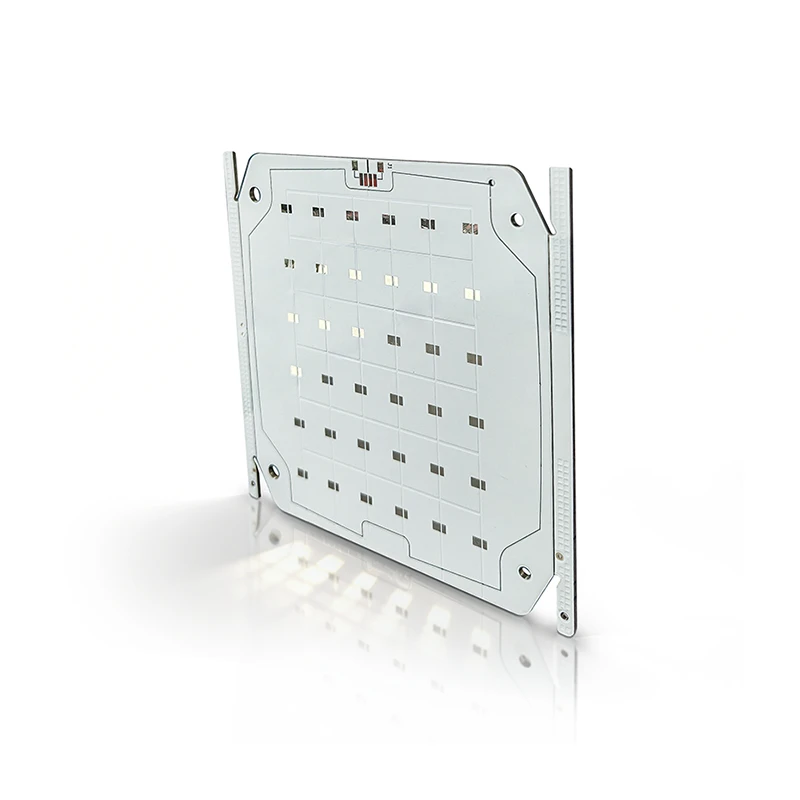
Before we explore the limitations, let's briefly recap what MCPCBs are and why they are so popular. MCPCBs are specialized printed circuit boards that have a metal core, typically aluminum or copper, which provides excellent thermal conductivity. This metal core acts as a heat sink, allowing heat to be transferred away from the components more efficiently than traditional PCBs. As a result, MCPCBs are widely used in high-power applications such as LED lighting, automotive electronics, power supplies, and industrial controls.
One of the key advantages of MCPCBs is their ability to improve the reliability and lifespan of electronic components by reducing the operating temperature. By dissipating heat more effectively, MCPCBs can prevent overheating, which can lead to component failure, reduced performance, and shortened lifespan. Additionally, MCPCBs can also help to reduce the size and weight of electronic devices, as they eliminate the need for external heat sinks in many applications.
Limitations of MCPCBs
Cost
One of the most significant limitations of MCPCBs is their cost. Compared to traditional PCBs, MCPCBs are generally more expensive to manufacture due to the additional materials and processes involved. The metal core, typically made of aluminum or copper, is more costly than the standard fiberglass or epoxy materials used in traditional PCBs. Additionally, the manufacturing process for MCPCBs is more complex and requires specialized equipment and expertise, which also adds to the cost.
However, it's important to note that the cost of MCPCBs has been decreasing in recent years as the technology has become more widespread and manufacturing processes have become more efficient. Additionally, the benefits of using MCPCBs, such as improved reliability and performance, can often outweigh the higher initial cost. As a supplier, we work closely with our customers to understand their specific requirements and provide cost-effective solutions that meet their needs.
Design Constraints
Another limitation of MCPCBs is the design constraints imposed by the metal core. The metal core can limit the flexibility of the PCB design, particularly in terms of routing and layer stack-up. Unlike traditional PCBs, which can have multiple layers and complex routing patterns, MCPCBs typically have a limited number of layers and a more straightforward routing layout. This is because the metal core can interfere with the electrical signals and cause electromagnetic interference (EMI) if not properly designed.
To overcome these design constraints, it's important to work with an experienced PCB design engineer who has a deep understanding of MCPCB technology. At our company, we have a team of skilled engineers who specialize in MCPCB design and can help our customers optimize their designs for maximum performance and reliability. We use advanced design tools and simulation software to ensure that the PCB design meets the specific requirements of each application and minimizes the risk of EMI.
Thermal Management Challenges
While MCPCBs are designed to provide efficient heat dissipation, they can still face thermal management challenges in certain applications. The effectiveness of the heat dissipation depends on several factors, including the thermal conductivity of the metal core, the thickness of the dielectric layer, the size and layout of the components, and the ambient temperature. In some cases, the heat generated by the components may exceed the heat dissipation capacity of the MCPCB, leading to overheating and potential component failure.
To address these thermal management challenges, it's important to carefully consider the thermal requirements of the application during the design phase. This may involve using a thicker metal core, a higher thermal conductivity dielectric layer, or additional heat sinks or cooling devices. At our company, we offer a range of thermal management solutions, including custom heat sinks and thermal interface materials, to help our customers optimize the heat dissipation performance of their MCPCBs.
Compatibility Issues
MCPCBs may also face compatibility issues with certain components or manufacturing processes. For example, some components may not be compatible with the metal core of the MCPCB due to the difference in thermal expansion coefficients. This can lead to mechanical stress and potential component failure over time. Additionally, some manufacturing processes, such as soldering and plating, may require special considerations when working with MCPCBs to ensure proper adhesion and reliability.
To minimize the risk of compatibility issues, it's important to work with a supplier who has a deep understanding of MCPCB technology and can provide guidance on component selection and manufacturing processes. At our company, we have extensive experience working with a wide range of components and manufacturing processes and can provide our customers with the support and expertise they need to ensure the successful integration of MCPCBs into their products.
Mitigating the Limitations of MCPCBs
While MCPCBs do have some limitations, there are several strategies that can be used to mitigate these challenges and ensure the successful implementation of MCPCBs in electronic applications. Here are some of the key strategies that we recommend:
Work with an Experienced Supplier
One of the most important steps in mitigating the limitations of MCPCBs is to work with an experienced supplier who has a deep understanding of MCPCB technology and can provide guidance and support throughout the design and manufacturing process. At our company, we have been supplying MCPCBs for many years and have a team of skilled engineers and technicians who are dedicated to providing our customers with the highest quality products and services. We can help our customers optimize their designs for maximum performance and reliability, select the right components and materials, and ensure that the manufacturing process is carried out to the highest standards.
Optimize the Design
Another important strategy is to optimize the design of the MCPCB to minimize the impact of the limitations. This may involve using a thicker metal core, a higher thermal conductivity dielectric layer, or a more efficient layout of the components. Additionally, it's important to consider the thermal requirements of the application and ensure that the heat dissipation capacity of the MCPCB is sufficient to meet the needs of the components. At our company, we use advanced design tools and simulation software to optimize the design of the MCPCB and ensure that it meets the specific requirements of each application.
Use High-Quality Materials
Using high-quality materials is also crucial for mitigating the limitations of MCPCBs. The quality of the metal core, dielectric layer, and other materials used in the MCPCB can have a significant impact on its performance and reliability. At our company, we source our materials from reputable suppliers and conduct rigorous quality control tests to ensure that they meet our strict standards. We also offer a range of high-quality materials, including aluminum and copper cores, high thermal conductivity dielectric layers, and advanced surface finishes, to help our customers achieve the best possible performance and reliability.
Implement Thermal Management Solutions
As mentioned earlier, thermal management is one of the key challenges associated with MCPCBs. To address this challenge, it's important to implement effective thermal management solutions, such as heat sinks, thermal interface materials, and cooling fans. At our company, we offer a range of thermal management solutions that are designed to work seamlessly with our MCPCBs and provide efficient heat dissipation. We can help our customers select the right thermal management solution for their application and ensure that it is installed correctly to maximize its effectiveness.
Conclusion
In conclusion, while MCPCBs do have some limitations, they offer significant benefits in terms of heat dissipation, reliability, and performance. By working with an experienced supplier, optimizing the design, using high-quality materials, and implementing effective thermal management solutions, these limitations can be mitigated, and the full potential of MCPCBs can be realized.
As a leading [MCPCB Supplier], we are committed to providing our customers with the highest quality MCPCBs and related services. We have the expertise, experience, and resources to help you overcome the challenges associated with MCPCBs and ensure the success of your electronic projects. Whether you are looking for [Aluminum PCB] for your LED lighting application or high-power MCPCBs for your automotive electronics, we have the solution for you.
If you are interested in learning more about our MCPCB products and services or would like to discuss your specific requirements, please feel free to contact us. Our team of experts is always ready to assist you and provide you with the information and support you need.
References
- IPC-2221A Generic Standard on Printed Board Design
- IPC-4101B Specification for Base Materials for Rigid and Multilayer PCBs
- John Coonrod, "Printed Circuit Board Design & Layout", McGraw-Hill Professional


