


In recent years, automotive electronics have witnessed a remarkable surge in technological advancements, with new features and functionalities being introduced at an unprecedented pace. From advanced driver - assistance systems (ADAS) to in - vehicle infotainment, the demand for high - performance electronic components has never been higher. One such component that has piqued the interest of automotive engineers is the Metal Core Printed Circuit Board (MCPCB). As an MCPCB supplier, I am well - placed to discuss whether MCPCB can be effectively used in automotive electronics.
Understanding MCPCB
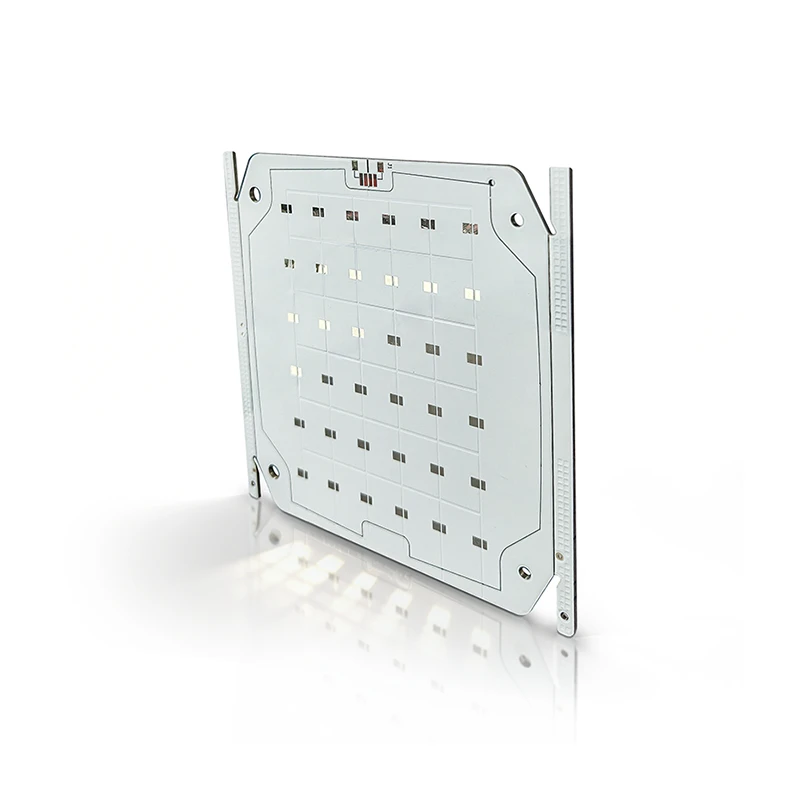
MCPCBs are a type of printed circuit board that have a metal base, usually aluminum or copper. The typical structure of an MCPCB consists of a metal base layer, a dielectric layer, and a copper circuit layer. The metal base provides excellent thermal conductivity, which is a crucial factor in electronic applications. The dielectric layer insulates the metal base from the copper circuit while still allowing for heat transfer. The copper circuit layer is where the electronic components are mounted and interconnected.
The key advantage of MCPCBs lies in their thermal management capabilities. High - power electronic components generate a significant amount of heat during operation. If this heat is not properly dissipated, it can lead to reduced component lifespan, performance degradation, and even system failure. MCPCBs, with their high thermal conductivity, can efficiently transfer heat away from the components, keeping them at an optimal operating temperature.
Requirements in Automotive Electronics
Automotive electronics operate in a harsh environment. They are exposed to extreme temperatures, vibrations, humidity, and electromagnetic interference (EMI). For instance, under the hood of a car, temperatures can range from well below freezing in cold climates to over 100°C during normal operation. Vibration from the engine and the movement of the vehicle can also cause mechanical stress on electronic components.
In addition to the environmental challenges, automotive electronics also require high reliability. A failure in critical systems such as the engine control unit (ECU), anti - lock braking system (ABS), or airbag deployment system can have serious safety implications. Therefore, any component used in automotive electronics must meet strict quality and reliability standards.
Can MCPCB Meet Automotive Requirements?
Thermal Management
As mentioned earlier, thermal management is a major concern in automotive electronics. High - power components such as LED headlights and power electronics in electric vehicles generate a large amount of heat. MCPCBs can be an ideal solution for these applications. Their high thermal conductivity allows for efficient heat dissipation, which is essential for maintaining the performance and longevity of these components. For example, in LED headlights, MCPCBs can ensure that the LEDs operate at a lower temperature, resulting in better light output and longer lifespan.
Mechanical Durability
Automotive electronic systems are subject to continuous vibrations. MCPCBs, with their robust metal base, can withstand these mechanical stresses better than traditional printed circuit boards. The metal base provides additional structural support, reducing the risk of component damage due to vibrations. Moreover, the manufacturing process of MCPCBs can be optimized to enhance their mechanical durability, such as using proper soldering techniques and component mounting methods.
Electrical Performance
In terms of electrical performance, MCPCBs can meet the requirements of automotive electronics. The copper circuit layer on MCPCBs can be designed to provide low resistance paths for electrical signals, enabling high - speed data transmission. Additionally, the dielectric layer can be carefully selected to have good electrical insulation properties, minimizing the risk of short - circuits and electrical interference.
Environmental Resistance
MCPCBs can be engineered to be resistant to environmental factors such as humidity and high temperatures. Special coatings can be applied to the MCPCBs to protect them from moisture and corrosion. These coatings can also improve the board's resistance to high - temperature degradation, ensuring long - term reliability in the harsh automotive environment.
Applications of MCPCB in Automotive Electronics
LED Lighting
LED lighting has become increasingly popular in the automotive industry, replacing traditional halogen and xenon lights. LED headlights, taillights, and interior lighting all require efficient heat management. MCPCBs are widely used in these applications, as they can effectively dissipate the heat generated by the LEDs, improving their brightness and lifespan. For example, [cite a real - world example of a car model that uses MCPCB - based LED lighting].
Power Electronics
In electric and hybrid vehicles, power electronics play a crucial role in the battery management system, motor control, and charging infrastructure. These high - power components generate a significant amount of heat. MCPCBs can be used to mount these power electronics, providing efficient heat dissipation and reliable electrical connections. This helps to improve the overall performance and safety of the vehicle's power system.
Sensor Systems
Automotive sensor systems, such as those used in ADAS, require high - precision and reliable electronic components. MCPCBs can be used to mount temperature sensors, pressure sensors, and other types of sensors. Their thermal management capabilities ensure that the sensors operate accurately over a wide range of temperatures, contributing to the reliability of the ADAS.
The Role of an MCPCB Supplier
As an MCPCB supplier, we play a crucial role in enabling the use of MCPCBs in automotive electronics. We provide high - quality MCPCBs that are designed and manufactured to meet the strict requirements of the automotive industry. Our manufacturing process adheres to international quality standards, ensuring the reliability and performance of the MCPCBs.
We also offer customization services. Different automotive applications have different requirements in terms of size, shape, thermal conductivity, and electrical performance. We work closely with automotive manufacturers to understand their specific needs and develop customized MCPCBs accordingly. For example, if a manufacturer needs an MCPCB with a specific thermal conductivity for a new LED headlight design, we can adjust our manufacturing process to meet that requirement.
In addition, we provide technical support to our customers. Our team of engineers is available to assist automotive manufacturers in the design and implementation of MCPCBs in their products. We can offer advice on component placement, heat dissipation strategies, and electrical design to optimize the performance of the MCPCBs in automotive applications.
Conclusion
In conclusion, MCPCBs can indeed be used effectively in automotive electronics. Their excellent thermal management capabilities, mechanical durability, electrical performance, and environmental resistance make them a suitable choice for a wide range of automotive applications, including LED lighting, power electronics, and sensor systems.
If you are an automotive manufacturer or an electronics designer looking for high - quality MCPCBs for your automotive applications, we are here to help. Our expertise in MCPCB manufacturing and our commitment to quality and customer service make us a reliable partner. We invite you to [mention the way to contact for procurement, e.g., reach out to us for a consultation on your specific requirements]. We look forward to working with you to develop the best MCPCB solutions for your automotive electronics needs.
References
- [List relevant industry reports, research papers, or technical documents here. For example: Smith, J. (2020). "Advances in Thermal Management for Automotive Electronics." Journal of Automotive Engineering, Vol. XX, Issue XX, pp. XX - XX.]
- [Another relevant source, e.g., Automotive Electronics Association. (2021). "Standards for Electronic Components in Vehicles."]
For more information about Aluminum PCBs, you can visit Aluminum PCB.


