


Handling BGA (Ball Grid Array) components during SMT (Surface Mount Technology) assembly is no walk in the park. As a supplier specializing in SMT BGA Assembly, I've seen it all - from the simplest jobs to the most mind - boggling ones. In this blog, I'll share some tips and tricks on how to deal with BGA components effectively in the SMT assembly process.
Understanding BGA Components
First things first, let's get to know BGA components a bit better. These little guys have an array of solder balls on their underside instead of the traditional leads. This design allows for a higher pin - count in a smaller area, which is great for modern electronics that are all about being compact. But it also makes them a bit more challenging to work with.
The solder balls on a BGA component are what connect it to the PCB. They need to be in good condition and properly aligned for the assembly to work. If a ball is damaged or misaligned, it can lead to all sorts of problems like poor electrical connections or even complete failure of the component.
Storage and Handling Before Assembly
Before we even get to the assembly part, proper storage and handling of BGA components are crucial. BGA components are sensitive to moisture. When they absorb moisture and then are heated during the soldering process, the moisture can turn into steam and cause the component to crack. This is known as "popcorning".
To prevent this, BGA components should be stored in a dry environment, usually in sealed bags with desiccants. Once the bag is opened, the components should be used within a certain time frame. If you're not going to use them right away, you can put them in a moisture - barrier cabinet.
When handling BGA components, always use proper ESD (Electrostatic Discharge) protection. Static electricity can damage the delicate circuitry inside the component. So, make sure you're wearing an ESD wrist strap and working on an ESD - protected surface.
SMT Stencil Design for BGA Components
SMT Stencil Design plays a huge role when it comes to BGA components. The stencil is used to apply solder paste to the PCB before placing the BGA component. A well - designed stencil ensures that the right amount of solder paste is applied to the right places.
For BGA components, the stencil aperture size is super important. The aperture should be large enough to allow enough solder paste to pass through but not too large that it causes bridging between the solder balls. The thickness of the stencil also matters. A thinner stencil might be better for smaller BGA components, while a thicker one could work for larger ones.
Another thing to consider is the stencil material. Stainless steel is a popular choice because it's durable and can maintain its shape well. However, it needs to be properly maintained to prevent clogging.
Placement of BGA Components
Once the solder paste is applied, it's time to place the BGA component on the PCB. This step requires precision. Most modern SMT assembly machines are equipped with vision systems that can accurately align the BGA component with the solder paste on the PCB.
But it's not just about the machine. The operator also needs to keep an eye on the placement process. Sometimes, there might be a bit of misalignment due to factors like vibrations or dust on the component. If you notice any issues during placement, it's important to correct them immediately to avoid problems later on.
Reflow Soldering for BGA Components
Reflow soldering is where the magic happens. This is the process where the solder paste melts and forms a connection between the BGA component and the PCB. The reflow profile is critical for BGA components. It needs to be carefully calibrated to ensure that the solder balls melt evenly and form good connections.
The reflow profile typically consists of four stages: pre - heat, soak, reflow, and cooling. The pre - heat stage slowly raises the temperature to evaporate any solvents in the solder paste. The soak stage helps to stabilize the temperature across the PCB and activate the flux in the solder paste. The reflow stage is where the temperature reaches its peak, and the solder melts. Finally, the cooling stage allows the solder to solidify and form a strong connection.
It's important to monitor the reflow process closely. You can use a thermal profiling system to measure the temperature at different points on the PCB during the reflow process. This helps to ensure that the temperature follows the desired profile.
Inspection After Assembly
After the reflow soldering is done, it's time to inspect the BGA component assembly. Visual inspection is the first step. You can use a microscope or a magnifying glass to check for obvious defects like missing solder balls, bridging, or misalignment.

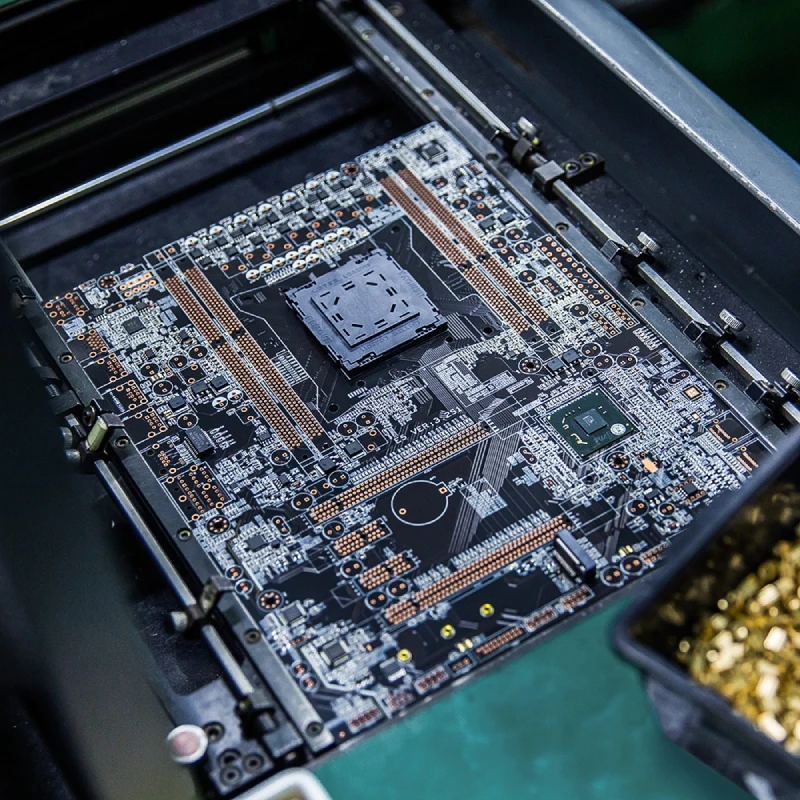
However, visual inspection might not be enough to detect all the problems. That's where X - ray inspection comes in. X - ray inspection can show the internal structure of the BGA component and the solder joints. It can detect hidden defects like voids in the solder joints or misaligned solder balls that are not visible from the outside.
Handling Defects
If any defects are found during inspection, it's important to handle them properly. For minor defects like a small amount of bridging, you might be able to fix it using a soldering iron and some flux. But for more serious defects like a completely missing solder ball or a misaligned component, you might need to rework the assembly.
Reworking a BGA component can be tricky. It involves removing the component, cleaning the PCB, and then placing a new component. This process needs to be done carefully to avoid damaging the PCB or other components.
Applications in Different PCB Assembly Types
BGA components are used in various types of PCB assembly, including Mixed Technology PCB Assembly, SMT PCB Assembly, and High Volume PCB Assembly.
In mixed technology PCB assembly, BGA components are combined with through - hole components. This requires careful planning to ensure that the assembly process for both types of components doesn't interfere with each other.
For SMT PCB assembly, BGA components are just one of the many surface - mount components. But their unique characteristics make them stand out and require special attention.
In high - volume PCB assembly, the efficiency and quality of handling BGA components are even more important. Any issues with BGA components can lead to a significant increase in production costs and delays.
Conclusion
Handling BGA components during SMT assembly is a complex process that requires a good understanding of the components, proper storage and handling, accurate stencil design, precise placement, well - calibrated reflow soldering, thorough inspection, and effective defect handling.
If you're in the market for high - quality SMT BGA Assembly, we're here to help. We've got the experience, expertise, and equipment to handle BGA components with the utmost care and precision. Whether you need a small - scale prototype or a high - volume production run, we can meet your needs. Contact us to discuss your requirements and let's start a great partnership!
References
- IPC standards for PCB assembly and BGA handling
- Technical documents from BGA component manufacturers
- Industry - specific publications on SMT assembly technology


