


In the world of electronics manufacturing, High Volume PCB Assembly stands as a cornerstone for various industries, from consumer electronics to automotive and aerospace. Ensuring the quality of these printed circuit board assemblies is not just a requirement but a necessity to meet the ever - increasing demands of modern technology. As a seasoned High Volume PCB Assembly supplier, I'd like to delve into the quality assurance systems that we implement to deliver top - notch products consistently.
I. The Foundation of Quality: Design and Planning
The quality assurance process begins long before the actual assembly takes place. It starts with the design phase. A well - designed PCB is the foundation for a successful assembly. We work closely with our clients during the design stage to optimize the PCB layout for high - volume production. This includes considerations such as component placement, trace routing, and thermal management.
For instance, in SMT BGA Assembly, proper design is crucial to ensure reliable connections between the BGA components and the PCB. The ball grid array requires precise alignment and soldering, and any design flaw can lead to issues like open circuits or short circuits. Our team of experienced engineers uses advanced design software to simulate the assembly process, identify potential problems, and make necessary adjustments.
SMT Stencil Design is another critical aspect of the pre - assembly phase. The stencil is used to apply solder paste accurately onto the PCB pads. A poorly designed stencil can result in insufficient or excessive solder paste deposition, which can lead to soldering defects. We follow strict guidelines for stencil design, taking into account factors such as aperture size, shape, and thickness, to ensure consistent and high - quality solder joints.
II. Incoming Material Inspection
Once the design is finalized and the production is about to start, the next crucial step in the quality assurance system is the inspection of incoming materials. This includes the PCBs themselves, electronic components, and soldering materials.
We have a dedicated team that conducts thorough inspections of all incoming materials. For PCBs, we check for dimensional accuracy, surface finish, and the integrity of the copper layers. Any PCBs that do not meet our strict specifications are rejected.
When it comes to electronic components, we verify their authenticity, packaging, and functionality. We source components from reliable suppliers and implement a strict component traceability system. This allows us to track the origin of each component in case of any quality issues. For example, if a particular batch of resistors shows signs of failure, we can quickly identify the supplier and the specific production lot.
The soldering materials, such as solder paste and flux, also undergo rigorous testing. We check their chemical composition, viscosity, and melting point to ensure they are suitable for our high - volume assembly processes.
III. Assembly Process Control
The assembly process is where the actual transformation of raw materials into a functional PCB assembly takes place. To ensure quality during this stage, we implement several control mechanisms.
In SMT PCB Assembly, we use automated pick - and - place machines that are capable of high - speed and accurate component placement. These machines are programmed to place components based on the design specifications, and they are regularly calibrated to maintain accuracy. We also use vision systems to inspect each placed component for correct orientation, position, and presence.
During the soldering process, we carefully control the temperature and time profiles. Different components have different soldering requirements, and we adjust the soldering parameters accordingly. For example, in Fine Pitch SMT, where the spacing between components is very small, we need to use a more precise soldering process to avoid bridging between adjacent pads.

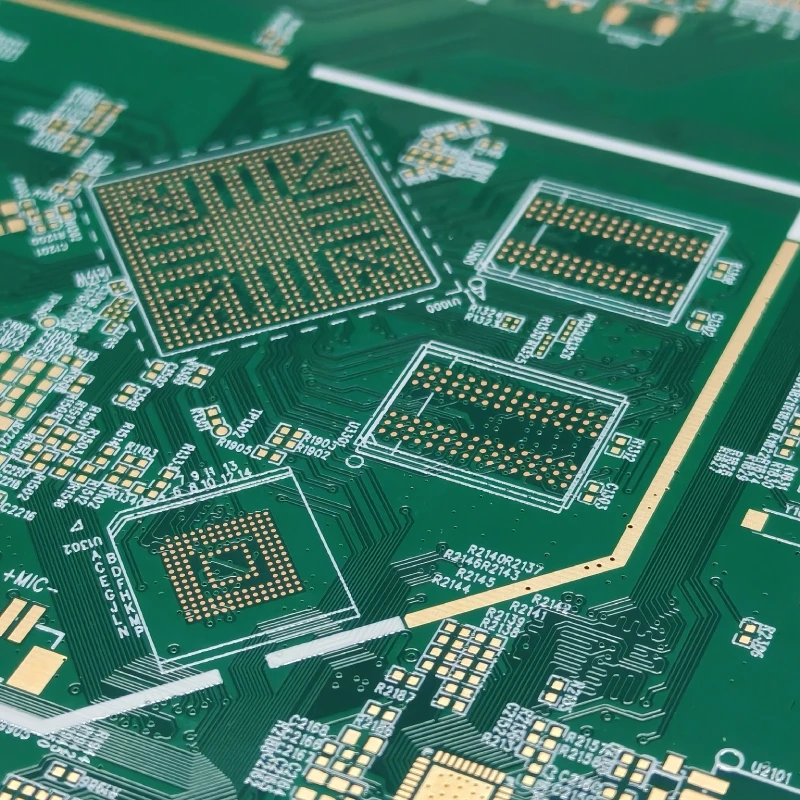
In Mixed Technology PCB Assembly, which combines surface - mount technology with through - hole technology, we pay extra attention to the integration of different assembly methods. We ensure that the soldering of through - hole components does not affect the surface - mount components and vice versa.
IV. In - process and Final Inspection
In - process inspection is an essential part of our quality assurance system. We conduct inspections at various stages of the assembly process to catch any defects early. This includes visual inspections, automated optical inspections (AOI), and X - ray inspections.
Visual inspections are carried out by trained operators who check for obvious defects such as missing components, misaligned components, and soldering defects. AOI systems use advanced cameras and image - processing algorithms to detect more subtle defects, such as solder bridges, insufficient solder, and component damage.
X - ray inspections are particularly useful for detecting hidden defects, such as voids in solder joints or misaligned BGA components. We use X - ray machines to inspect critical components and ensure the integrity of the internal connections.
After the assembly is complete, we conduct a final inspection to ensure that the entire PCB assembly meets the customer's specifications. This includes functional testing, where we power up the assembly and test its electrical performance. We also perform environmental testing, such as temperature cycling and humidity testing, to ensure the reliability of the assembly under different operating conditions.
V. Continuous Improvement
Quality assurance is not a one - time process but an ongoing effort. We are committed to continuous improvement in our quality assurance systems. We collect data from all stages of the production process, including incoming material inspection, assembly process control, and final inspection. This data is analyzed to identify trends, root causes of defects, and areas for improvement.
Based on the analysis, we implement corrective and preventive actions. For example, if we notice a high rate of a particular type of soldering defect, we may adjust the soldering process parameters, retrain our operators, or change the soldering materials. We also encourage feedback from our customers and use it to drive improvement in our products and processes.
VI. Contact for Procurement
If you are in need of high - volume PCB assembly services, we are here to provide you with top - quality products and services. Our commitment to quality assurance ensures that you will receive reliable PCB assemblies that meet your specific requirements. Whether you are in the consumer electronics, automotive, or aerospace industry, we have the expertise and experience to handle your project. Reach out to us for a detailed discussion on your procurement needs.
References
- "Printed Circuit Board Assembly Handbook" by IPC
- "Quality Control in Electronics Manufacturing" by John Wiley & Sons
- Industry whitepapers on PCB assembly quality assurance from leading manufacturers.


