


FCT (Functional Circuit Test) testing is a crucial phase in the manufacturing process of electronic devices. It verifies that a product functions as intended, ensuring that it meets the required standards before it hits the market. As an FCT testing supplier, I've seen firsthand how improving throughput can significantly enhance efficiency and profitability. In this blog, I'll share some practical tips on how to boost the throughput of FCT testing.
1. Optimize the Test Program
The test program is the heart of FCT testing. A poorly optimized program can lead to longer test times and reduced throughput. Here are some ways to optimize it:

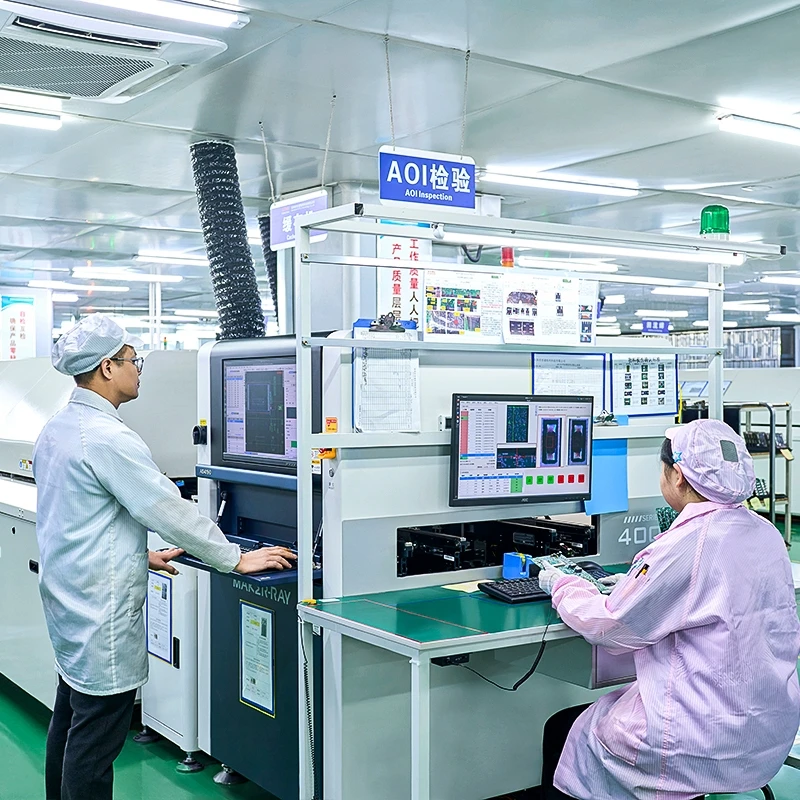
- Reduce Unnecessary Tests: Review the test program regularly to identify and remove any tests that are redundant or no longer relevant. This can save a significant amount of time, especially if the product has undergone design changes.
- Parallelize Tests: If possible, run multiple tests simultaneously. Modern test equipment often supports parallel testing, which can dramatically reduce the overall test time. For example, you can test different functions of a circuit board at the same time instead of one after another.
- Optimize Test Sequences: Arrange the tests in an order that minimizes the time required to switch between different test conditions. For instance, group tests that require the same setup together to avoid unnecessary reconfigurations.
2. Upgrade Test Equipment
Outdated test equipment can be a major bottleneck in FCT testing. Investing in modern, high - performance equipment can significantly improve throughput. Here's why:
- Faster Test Execution: Newer test equipment is designed to perform tests more quickly. For example, it may have higher sampling rates, faster processing speeds, and more efficient data transfer capabilities.
- Automated Features: Many modern test systems come with automated features such as self - calibration, auto - test setup, and automatic result analysis. These features can save a lot of time and reduce the potential for human error.
- Compatibility with New Technologies: As electronic devices become more complex, your test equipment needs to keep up. Upgrading to equipment that is compatible with the latest technologies, such as high - speed data interfaces and advanced sensors, can ensure that you can test the latest products efficiently.
3. Implement Automation
Automation is a game - changer when it comes to improving FCT testing throughput. Here are some areas where automation can be applied:
- Test Fixture Loading and Unloading: Manual loading and unloading of test fixtures can be time - consuming. Implementing an automated conveyor system or robotic arm can significantly reduce this time. The system can quickly and accurately place the product into the test fixture and remove it after testing.
- Test Result Recording and Analysis: Automatically recording test results and analyzing them can save a lot of time. You can use software to generate reports, identify trends, and flag any potential issues. This not only speeds up the testing process but also improves the accuracy of the results.
- Test Equipment Calibration and Maintenance: Automated calibration and maintenance routines can ensure that your test equipment is always in optimal condition. This reduces the downtime associated with manual calibration and maintenance tasks.
4. Improve Operator Training
Well - trained operators are essential for efficient FCT testing. Here's how you can improve operator training:
- Provide Comprehensive Training: Ensure that your operators are trained on all aspects of the FCT testing process, including test equipment operation, test program execution, and result analysis. This can help them perform their tasks more quickly and accurately.
- Regular Refresher Courses: Technology is constantly evolving, and so are the testing requirements. Provide regular refresher courses to keep your operators up - to - date with the latest techniques and best practices.
- Encourage Operator Feedback: Operators are on the front line of the testing process and often have valuable insights. Encourage them to provide feedback on the testing process, equipment, and test programs. This can help you identify areas for improvement and make necessary adjustments.
5. Integrate with Other Testing Processes
FCT testing is just one part of the overall manufacturing process. Integrating it with other testing processes, such as X-Ray Inspection, ICT Testing, and AOI Inspection, can improve overall throughput.
- Data Sharing: Share test data between different testing processes. For example, if an X - ray inspection reveals a potential issue with a component, this information can be used to adjust the FCT test program accordingly. This can prevent unnecessary testing and reduce the overall time required for product testing.
- Streamlined Workflow: Coordinate the scheduling of different testing processes to ensure a smooth workflow. For example, you can schedule FCT testing immediately after ICT testing to minimize the time between different test stages.
6. Monitor and Analyze Performance
Regularly monitoring and analyzing the performance of your FCT testing process is essential for continuous improvement. Here's what you can do:
- Track Key Metrics: Monitor key performance indicators (KPIs) such as test time per unit, throughput rate, and test pass/fail ratio. This can help you identify trends and areas for improvement.
- Root Cause Analysis: When you encounter issues such as low throughput or high failure rates, perform a root cause analysis. This involves identifying the underlying cause of the problem and taking appropriate corrective actions.
- Benchmarking: Compare your FCT testing performance with industry benchmarks. This can help you identify areas where you are lagging behind and set targets for improvement.
Improving the throughput of FCT testing is a continuous process that requires a combination of optimization, automation, training, and integration. By implementing these tips, you can significantly enhance the efficiency of your FCT testing process, reduce costs, and improve the quality of your products.
If you're looking to improve the throughput of your FCT testing process, I'd love to have a chat with you. As an experienced FCT testing supplier, we can provide you with customized solutions to meet your specific needs. Contact us today to start the conversation and explore how we can work together to boost your testing efficiency.
References
- "Electronic Test and Measurement Handbook", by David A. Bell
- "Automated Test Equipment: Concepts, Design, and Application", by William D. Stanley


