



Selecting the appropriate solder alloy for SMT BGA (Surface Mount Technology Ball Grid Array) Assembly is a crucial decision that can significantly impact the quality, reliability, and performance of your PCBs. As a SMT BGA Assembly supplier, I've seen firsthand how the right solder alloy can make or break a project. In this blog, I'll share some insights on how to choose the best solder alloy for your specific needs.
Understanding Solder Alloys
Before we dive into the selection process, let's quickly go over what solder alloys are. Solder alloys are mixtures of two or more metals, typically tin (Sn), lead (Pb), silver (Ag), copper (Cu), and others. These alloys are used to create a strong and reliable electrical connection between components and the PCB.
In the past, lead-based solder alloys were widely used due to their low melting point and excellent wetting properties. However, due to environmental concerns and regulations like RoHS (Restriction of Hazardous Substances), lead-free solder alloys have become the standard in the industry.
Factors to Consider When Selecting Solder Alloys
There are several factors to consider when choosing the appropriate solder alloy for SMT BGA Assembly. Here are some of the most important ones:
1. Melting Point
The melting point of the solder alloy is a critical factor. You need to choose an alloy with a melting point that is compatible with your PCB materials and the components you're using. If the melting point is too high, it can damage the components or the PCB. On the other hand, if it's too low, the solder joint may not be strong enough.
For lead-free solder alloys, the most common ones are Sn-Ag-Cu (SAC) alloys, which have a melting point range of around 217°C - 221°C. This is higher than lead-based solder alloys, which typically have a melting point of around 183°C.
2. Wetting Properties
Wetting is the ability of the solder to spread and adhere to the surfaces of the components and the PCB. Good wetting properties are essential for creating strong and reliable solder joints. Solder alloys with poor wetting properties can result in voids, cold joints, and other soldering defects.
SAC alloys generally have good wetting properties, but the addition of other elements like bismuth (Bi) or indium (In) can further improve wetting. However, these elements can also affect the melting point and other properties of the alloy, so you need to balance the benefits and drawbacks.
3. Mechanical Properties
The mechanical properties of the solder alloy, such as strength, ductility, and fatigue resistance, are also important. You want a solder alloy that can withstand the stresses and strains that the PCB will be subjected to during its lifetime.
SAC alloys are known for their good mechanical properties, but the specific properties can vary depending on the composition of the alloy. For example, increasing the silver content can improve the strength and fatigue resistance of the solder joint, but it can also increase the cost.
4. Cost
Cost is always a consideration when choosing a solder alloy. Lead-free solder alloys are generally more expensive than lead-based alloys, but the cost can vary depending on the specific alloy and the quantity you're purchasing.
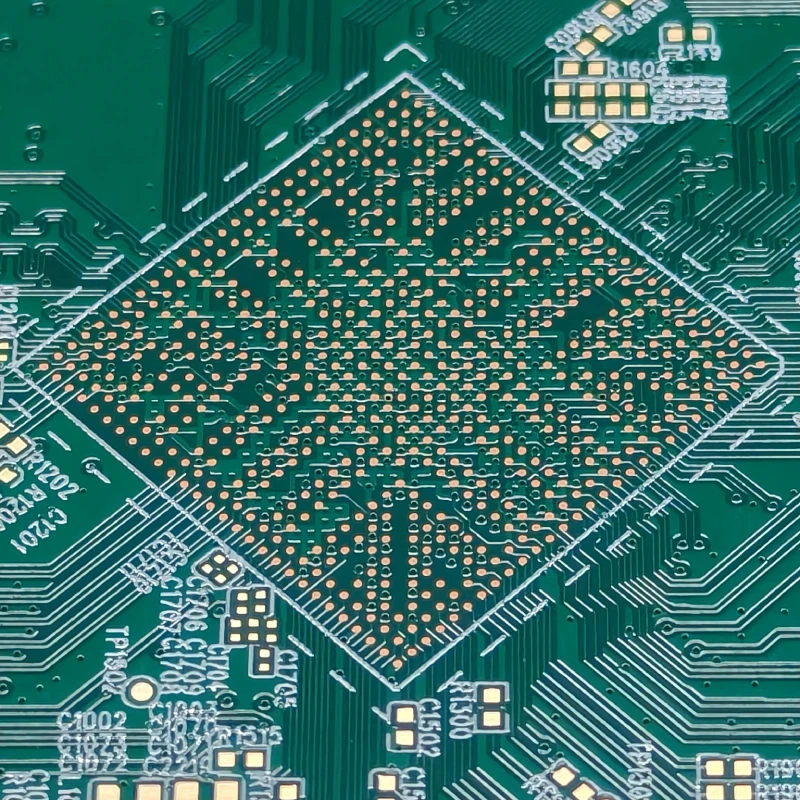
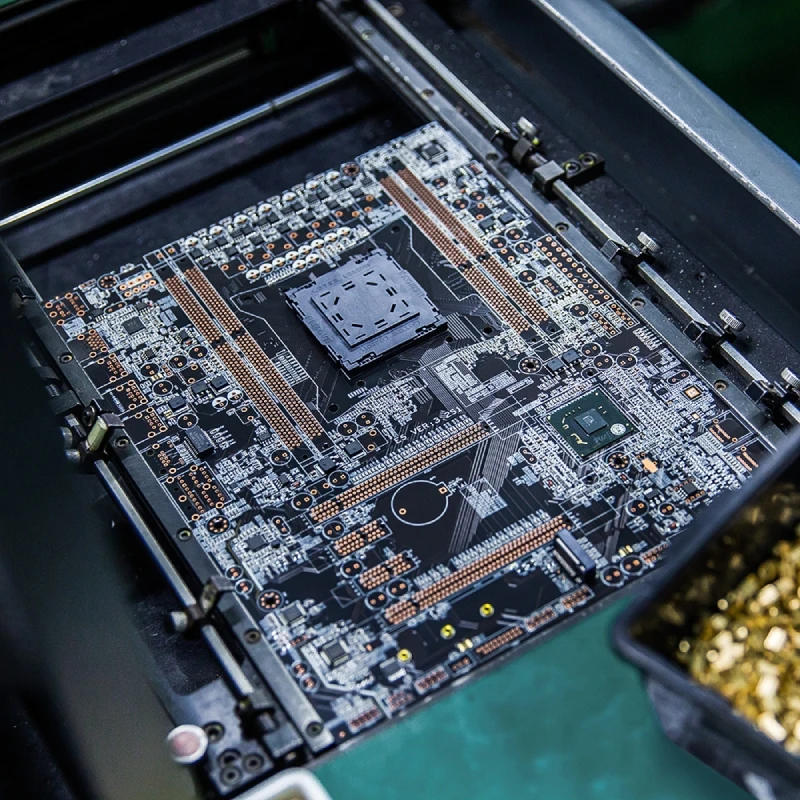
You need to balance the cost with the performance and reliability requirements of your project. Sometimes, it may be worth paying a little more for a higher-quality solder alloy that will result in fewer defects and a longer lifespan for your PCBs.
5. Environmental Regulations
As mentioned earlier, environmental regulations like RoHS have made lead-free solder alloys the standard in the industry. If your products are intended for use in regions with strict environmental regulations, you need to make sure that the solder alloy you choose is compliant.
Common Solder Alloys for SMT BGA Assembly
Here are some of the most common solder alloys used in SMT BGA Assembly:
1. Sn-Ag-Cu (SAC) Alloys
SAC alloys are the most widely used lead-free solder alloys in the industry. They offer a good balance of melting point, wetting properties, mechanical properties, and cost. The most common SAC alloy is SAC305, which contains 96.5% tin, 3% silver, and 0.5% copper.
2. Sn-Cu Alloys
Sn-Cu alloys are another popular choice for lead-free soldering. They are less expensive than SAC alloys and have a lower melting point, which can be beneficial for some applications. However, they may have slightly lower mechanical properties compared to SAC alloys.
3. Sn-Bi Alloys
Sn-Bi alloys have a lower melting point than SAC alloys, which can be useful for applications where the components or the PCB are sensitive to high temperatures. However, they may have lower mechanical properties and can be more brittle than SAC alloys.
How We Can Help
As a SMT BGA Assembly supplier, we have extensive experience in working with different solder alloys and can help you choose the best one for your project. We offer a range of SMT BGA Assembly services, including Mixed Technology PCB Assembly and High Volume PCB Assembly.
Our team of experts can provide you with technical support and advice on solder alloy selection, as well as help you optimize your soldering process for the best results. We use state-of-the-art equipment and techniques to ensure the highest quality and reliability of our assemblies.
If you're looking for a reliable SMT BGA Assembly supplier, we'd love to hear from you. Contact us today to discuss your project requirements and get a quote.
References
- "Lead-Free Solder Alloys for Electronics," IPC-9701A, IPC
- "Solder Alloys and Their Properties," SMTA International
- "RoHS Compliance in the Electronics Industry," European Union


