


Hey there! As a supplier of X-Ray Inspection systems, I've seen firsthand how this technology has revolutionized quality control in various industries. But like any technology, X-Ray Inspection comes with its own set of environmental impacts. In this blog post, I'll break down these impacts and discuss how we can mitigate them.
Energy Consumption
One of the most significant environmental impacts of X-Ray Inspection is energy consumption. X-Ray machines require a substantial amount of electricity to operate. The high-voltage generators that produce X-rays need a continuous power supply, and the cooling systems that prevent the equipment from overheating also consume energy.
The energy used by X-Ray Inspection systems contributes to greenhouse gas emissions. Most of the electricity we use is generated from fossil fuels, such as coal and natural gas. When these fuels are burned, they release carbon dioxide and other pollutants into the atmosphere, which contribute to climate change.
To reduce the energy consumption of X-Ray Inspection systems, we can take several steps. First, we can invest in energy-efficient equipment. Many modern X-Ray machines are designed to use less power without sacrificing performance. Second, we can optimize the operation of the equipment. For example, we can turn off the X-Ray machine when it's not in use and adjust the settings to use the minimum amount of energy required for accurate inspection.
Radiation Exposure
X-Ray Inspection involves the use of ionizing radiation, which can be harmful to human health and the environment. Ionizing radiation has enough energy to remove electrons from atoms, which can damage cells and DNA. Prolonged exposure to X-rays can increase the risk of cancer and other health problems.
In addition to the health risks to humans, X-Ray radiation can also have an impact on the environment. It can damage living organisms, such as plants and animals, and disrupt ecosystems. For example, high levels of radiation can kill off plants, which can lead to soil erosion and a loss of biodiversity.
To minimize the risk of radiation exposure, we need to follow strict safety protocols. This includes using shielding materials to prevent the spread of radiation, wearing protective clothing, and limiting the time of exposure. We also need to ensure that our X-Ray Inspection systems are properly maintained and calibrated to ensure that they are operating within safe limits.
Waste Generation
X-Ray Inspection can also generate waste. This includes the disposal of X-Ray films, which contain silver and other heavy metals. These metals can be toxic to the environment if they are not disposed of properly. In addition, X-Ray machines require regular maintenance, which can generate waste in the form of used parts and chemicals.
To reduce waste generation, we can take several steps. First, we can switch to digital X-Ray systems, which eliminate the need for X-Ray films. Digital systems are not only more environmentally friendly but also offer better image quality and faster processing times. Second, we can recycle used parts and chemicals whenever possible. Many components of X-Ray machines can be recycled, which reduces the amount of waste that goes to landfills.
Chemical Use
Some X-Ray Inspection processes involve the use of chemicals, such as developers and fixers for X-Ray films. These chemicals can be harmful to the environment if they are not disposed of properly. They can contaminate water sources and soil, and they can also release toxic fumes into the air.
To reduce the environmental impact of chemical use, we can switch to more environmentally friendly chemicals. Many companies now offer eco-friendly developers and fixers that are less toxic and easier to dispose of. We can also implement proper chemical management practices, such as storing chemicals in sealed containers and disposing of them at approved waste disposal facilities.
Comparison with Other Inspection Methods
It's important to note that X-Ray Inspection is not the only inspection method available. Other methods, such as Burn-In Testing, FCT Testing, and AOI Inspection, also have their own environmental impacts.
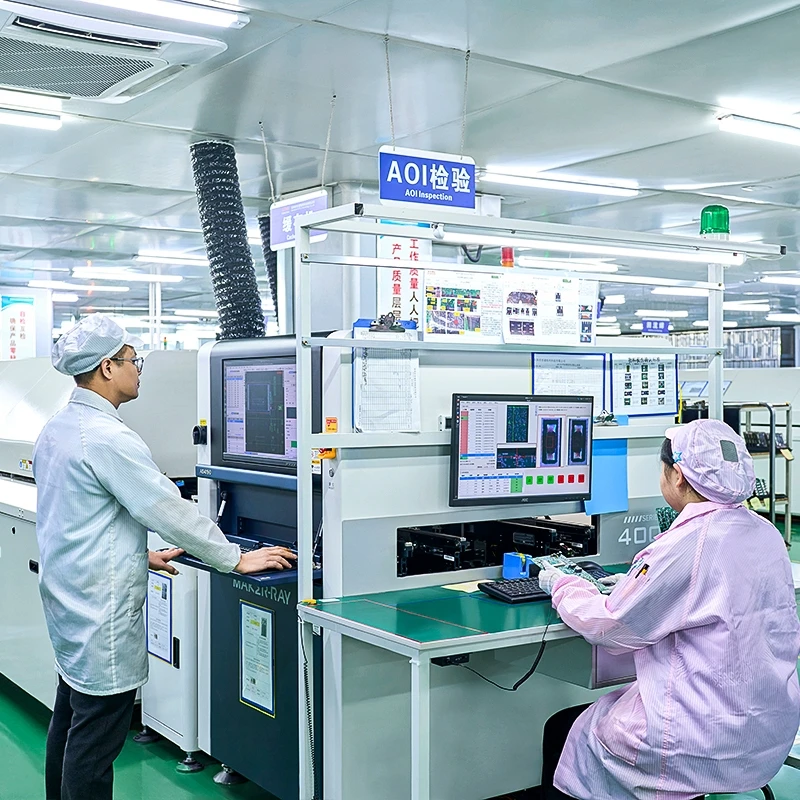

Burn-In Testing involves subjecting electronic components to high temperatures and voltages for an extended period of time to identify potential failures. This process consumes a significant amount of energy and can generate heat, which can contribute to climate change. FCT Testing, or Functional Circuit Testing, involves testing the functionality of electronic circuits. This process may require the use of chemicals and can generate waste in the form of test fixtures and printed circuit boards. AOI Inspection, or Automated Optical Inspection, uses cameras and image processing software to detect defects in printed circuit boards. This process consumes energy and may require the use of lighting systems.
When comparing X-Ray Inspection with other inspection methods, it's important to consider the specific requirements of the application. X-Ray Inspection is often the best choice for detecting internal defects in components, such as cracks and voids. However, if the defects are on the surface of the component, AOI Inspection may be a more suitable option.
Mitigating the Environmental Impacts
As a supplier of X-Ray Inspection systems, we are committed to minimizing the environmental impacts of our products. We are constantly researching and developing new technologies to make our X-Ray machines more energy-efficient and environmentally friendly. For example, we are working on developing X-Ray machines that use less power and produce less radiation.
We also offer training and support to our customers to help them use our X-Ray Inspection systems in an environmentally responsible manner. This includes providing information on energy-saving tips, radiation safety, and waste management.
Conclusion
X-Ray Inspection is a powerful tool for quality control in various industries, but it also has its own set of environmental impacts. By understanding these impacts and taking steps to mitigate them, we can ensure that X-Ray Inspection is used in a sustainable and environmentally responsible manner.
If you're interested in learning more about our X-Ray Inspection systems or discussing how we can help you reduce the environmental impact of your inspection processes, please don't hesitate to reach out. We'd be happy to have a chat and see how we can work together to meet your needs.
References
- "Environmental Impact of X-Ray Technology." International Atomic Energy Agency.
- "Energy Efficiency in Industrial X-Ray Inspection." Journal of Environmental Science and Technology.
- "Radiation Safety in X-Ray Inspection." World Health Organization.


