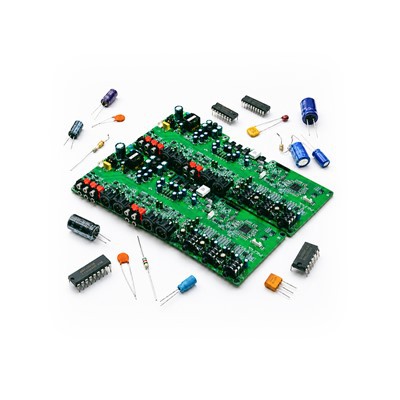
As a Fine Pitch SMT supplier, we often encounter the issue of solder paste bridging, which can significantly impact the quality and functionality of printed circuit boards (PCBs). In this blog, we will explore the strategies for dealing with solder paste bridging in Fine Pitch SMT, providing insights and practical solutions based on our experience in the industry.
Understanding Solder Paste Bridging
Solder paste bridging occurs when the solder paste forms an unwanted connection between adjacent pads on a PCB during the soldering process. This can lead to short circuits, electrical failures, and reduced product reliability. Fine Pitch SMT, which involves the assembly of components with small lead pitches, is particularly susceptible to solder paste bridging due to the close proximity of the pads.
There are several factors that can contribute to solder paste bridging, including:
- Solder Paste Characteristics: The viscosity, particle size, and flux content of the solder paste can affect its flow and wetting properties, which in turn can influence the likelihood of bridging.
- Stencil Design: The design of the stencil, including the aperture size, shape, and thickness, can impact the amount and distribution of solder paste deposited on the pads.
- Printing Process: The printing parameters, such as the printing speed, pressure, and squeegee angle, can affect the quality of the solder paste print and the likelihood of bridging.
- Component Placement: The accuracy of component placement can also affect the likelihood of solder paste bridging. If the components are not placed correctly, the solder paste may not be properly aligned with the pads, leading to bridging.
Strategies for Dealing with Solder Paste Bridging
To address the issue of solder paste bridging in Fine Pitch SMT, we recommend the following strategies:
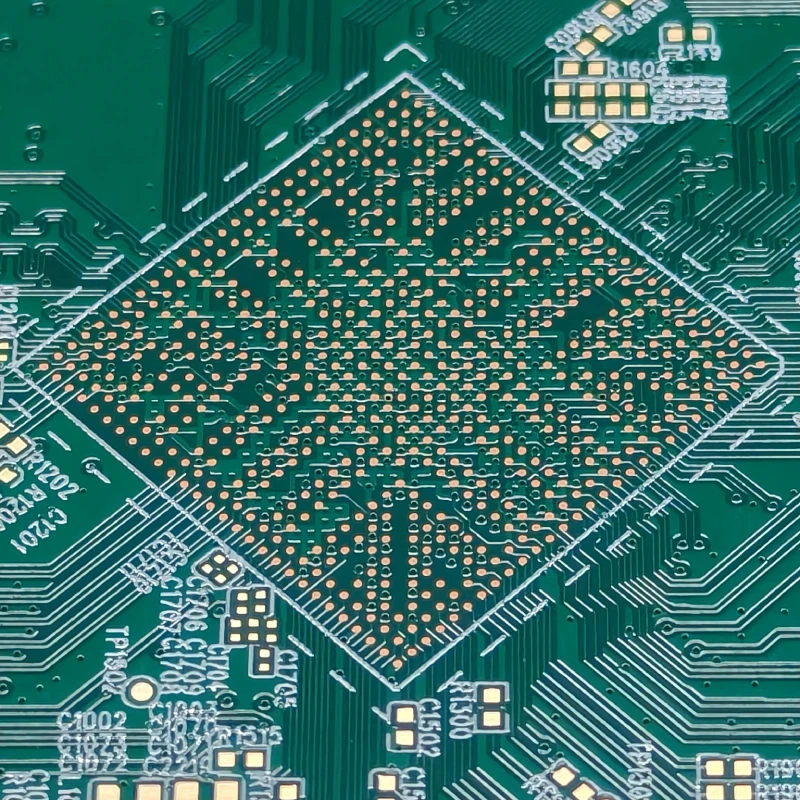

1. Optimize Solder Paste Selection
- Viscosity: Choose a solder paste with the appropriate viscosity for the Fine Pitch SMT application. A higher viscosity solder paste can help to reduce the flow of the solder paste and minimize the risk of bridging.
- Particle Size: Select a solder paste with a smaller particle size to improve the resolution and accuracy of the solder paste print. This can help to reduce the likelihood of bridging between adjacent pads.
- Flux Content: Consider the flux content of the solder paste. A higher flux content can help to improve the wetting properties of the solder paste and reduce the risk of bridging.
2. Improve Stencil Design
- Aperture Size and Shape: Optimize the aperture size and shape of the stencil to ensure that the correct amount of solder paste is deposited on the pads. For Fine Pitch SMT, smaller aperture sizes and rectangular shapes are often recommended to reduce the risk of bridging.
- Stencil Thickness: Choose the appropriate stencil thickness based on the component pitch and the solder paste requirements. A thinner stencil can help to reduce the amount of solder paste deposited on the pads and minimize the risk of bridging.
- Stencil Cleaning: Regularly clean the stencil to remove any solder paste residue or debris that may accumulate during the printing process. This can help to ensure consistent and accurate solder paste deposition.
3. Optimize the Printing Process
- Printing Speed and Pressure: Adjust the printing speed and pressure to ensure that the solder paste is evenly distributed on the pads. A slower printing speed and lower pressure can help to reduce the risk of bridging.
- Squeegee Angle and Type: Select the appropriate squeegee angle and type for the Fine Pitch SMT application. A smaller squeegee angle and a softer squeegee material can help to improve the accuracy of the solder paste print and reduce the risk of bridging.
- Printing Alignment: Ensure that the stencil is properly aligned with the PCB to ensure accurate solder paste deposition. Use alignment marks or fiducials on the PCB and stencil to facilitate the alignment process.
4. Improve Component Placement
- Accuracy: Use a high-precision pick-and-place machine to ensure accurate component placement. This can help to minimize the risk of misalignment and reduce the likelihood of solder paste bridging.
- Component Orientation: Ensure that the components are placed in the correct orientation to ensure proper alignment with the pads. This can help to reduce the risk of bridging and improve the overall quality of the assembly.
- Component Spacing: Maintain the appropriate component spacing to prevent the solder paste from bridging between adjacent components. Follow the manufacturer's recommendations for component spacing based on the component pitch and the solder paste requirements.
5. Implement Inspection and Rework Processes
- Automated Optical Inspection (AOI): Use AOI to detect any solder paste bridging or other defects on the PCB. AOI can help to identify issues early in the assembly process, allowing for timely rework and prevention of further defects.
- X-Ray Inspection: Use X-ray inspection to detect any hidden solder paste bridging or other defects that may not be visible on the surface of the PCB. X-ray inspection can provide a more detailed view of the solder joints and help to ensure the quality and reliability of the assembly.
- Rework: Develop a rework process to address any solder paste bridging or other defects that are detected during inspection. The rework process should include procedures for removing the defective solder joints and re-soldering the components to ensure proper functionality.
Conclusion
Solder paste bridging is a common issue in Fine Pitch SMT that can significantly impact the quality and functionality of PCBs. By implementing the strategies outlined in this blog, we can effectively address the issue of solder paste bridging and improve the overall quality and reliability of our Fine Pitch SMT assemblies.
If you are interested in learning more about our Fine Pitch SMT services or have any questions about dealing with solder paste bridging, please feel free to contact us for a consultation. We look forward to working with you to meet your Fine Pitch SMT needs.
References
- Smith, J. (2020). Solder Paste Technology for Surface Mount Assembly. New York: Wiley.
- Jones, A. (2019). Fine Pitch SMT Assembly: Challenges and Solutions. Journal of Electronic Packaging, 141(2), 021005.
- Brown, C. (2018). Solder Paste Printing for Fine Pitch Components. Proceedings of the IEEE International Symposium on Advanced Packaging Materials, 1-6.