


As a provider of Turnkey PCB Assembly services, I've had the privilege of witnessing firsthand the crucial role that technicians play in this highly specialized field. The expertise level of technicians in turnkey PCB assembly is a multifaceted topic that encompasses a wide range of skills, knowledge, and experience. In this blog post, I'll delve into the various aspects that define the expertise of these professionals and how it impacts the quality and efficiency of our services.
Technical Knowledge and Skills
At the core of a technician's expertise in turnkey PCB assembly is a deep understanding of electronics and printed circuit board technology. This includes knowledge of electrical engineering principles, component selection, and PCB design rules. Technicians must be able to read and interpret complex schematics and layout files, ensuring that all components are correctly placed and soldered onto the board.
One of the key skills that technicians need to possess is proficiency in soldering. Soldering is a critical process in PCB assembly, as it ensures the electrical connection between components and the board. A skilled technician will be able to perform both manual and automated soldering techniques with precision, minimizing the risk of solder bridges, cold joints, and other soldering defects.
In addition to soldering, technicians also need to be familiar with other assembly processes, such as component placement, reflow soldering, and wave soldering. They must be able to operate and maintain the equipment used in these processes, ensuring that it is functioning properly and producing high-quality results.
Problem-Solving Abilities
Another important aspect of a technician's expertise is their ability to solve problems. In turnkey PCB assembly, issues can arise at any stage of the process, from component selection to final testing. A skilled technician will be able to identify and troubleshoot these problems quickly and effectively, minimizing downtime and ensuring that the project stays on schedule.
For example, if a component fails during testing, the technician must be able to determine the root cause of the problem and take appropriate action. This may involve replacing the component, adjusting the soldering process, or modifying the PCB design. By having a deep understanding of the technology and the assembly process, technicians can make informed decisions and find solutions to even the most complex problems.

Quality Control
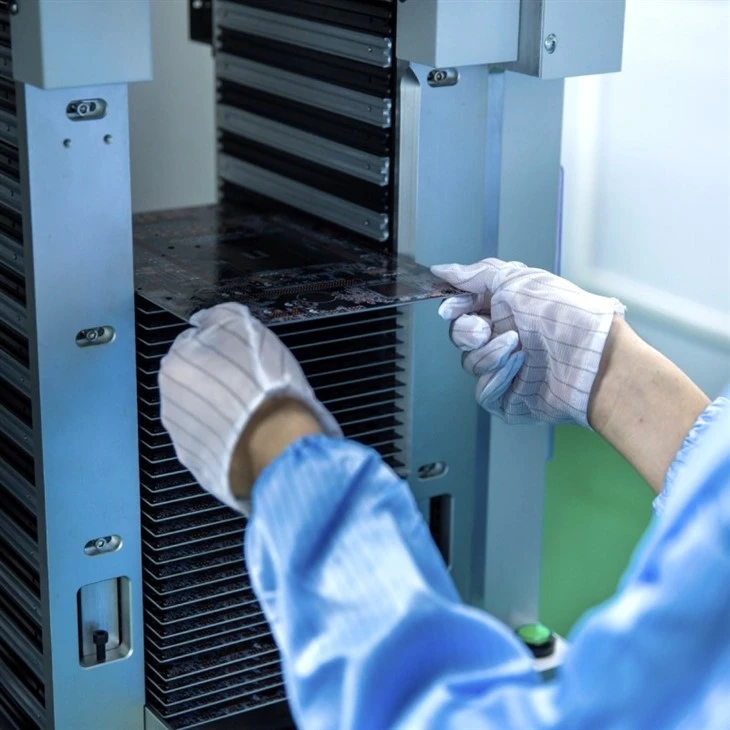
Quality control is an essential part of turnkey PCB assembly, and technicians play a crucial role in ensuring that the final product meets the highest standards. They are responsible for inspecting the components and the assembled boards at various stages of the process, looking for any defects or inconsistencies.
This includes visual inspections, as well as more advanced testing techniques, such as automated optical inspection (AOI) and X-ray inspection. By using these tools, technicians can detect even the smallest defects, such as missing components, incorrect soldering, or short circuits. They can then take corrective action to ensure that the board is functioning properly before it is shipped to the customer.
Experience and Training
Experience is a key factor in determining the expertise level of technicians in turnkey PCB assembly. A technician with several years of experience will have encountered a wide range of challenges and will have developed the skills and knowledge needed to handle them effectively. They will also be familiar with the latest technologies and industry standards, ensuring that they are able to provide the highest quality of service.
In addition to experience, ongoing training is also essential for technicians to stay up-to-date with the latest developments in the field. This may include attending industry conferences, taking online courses, or participating in in-house training programs. By investing in their professional development, technicians can enhance their skills and knowledge, making them more valuable assets to our company and our customers.
Impact on Turnkey PCB Assembly Services
The expertise level of technicians has a significant impact on the quality and efficiency of our turnkey PCB assembly services. By having highly skilled technicians on our team, we are able to provide our customers with high-quality products that meet their specifications and requirements. We are also able to complete projects more quickly and efficiently, reducing lead times and costs.
In addition, our technicians' expertise allows us to offer a wide range of services, including Partial Turnkey PCB Assembly, Quick‑turn PCB Assembly, and Turnkey PCB Assembly. Whether our customers need a small batch of prototypes or a large production run, we have the skills and experience to meet their needs.
Conclusion
In conclusion, the expertise level of technicians in turnkey PCB assembly is a critical factor in the success of our business. By having a team of highly skilled and experienced technicians, we are able to provide our customers with high-quality products and services that meet their needs and exceed their expectations. We are committed to investing in the professional development of our technicians, ensuring that they have the skills and knowledge needed to stay at the forefront of the industry.
If you are interested in learning more about our turnkey PCB assembly services or would like to discuss a project with us, please feel free to contact us. We would be happy to provide you with more information and answer any questions you may have.
References
- IPC-A-610: Acceptability of Electronic Assemblies
- IPC-J-STD-001: Requirements for Soldered Electrical and Electronic Assemblies
- J-STD-033: Handling, Packing, Shipping and Use of Moisture/Reflow-Sensitive Surface Mount Devices


