


Hey there! I'm an injection molding supplier, and I'm super stoked to take you on a journey through the history and development of injection molding technology. It's a fascinating field that has come a long way since its inception.
The Early Days of Injection Molding
The story of injection molding starts way back in the late 19th century. In 1872, John Wesley Hyatt and his brother Isaiah patented the first injection molding machine. This was a game - changer at the time. They were trying to find a way to replace ivory in billiard balls, and this new technology provided a solution.
The early machines were pretty basic. They used a plunger to push heated plastic material into a mold. The plastics available back then were mainly celluloid and hard rubber. These materials were heated in a cylinder and then forced into simple molds. The process was slow and had its limitations. The part quality wasn't great, and it was difficult to produce complex shapes.

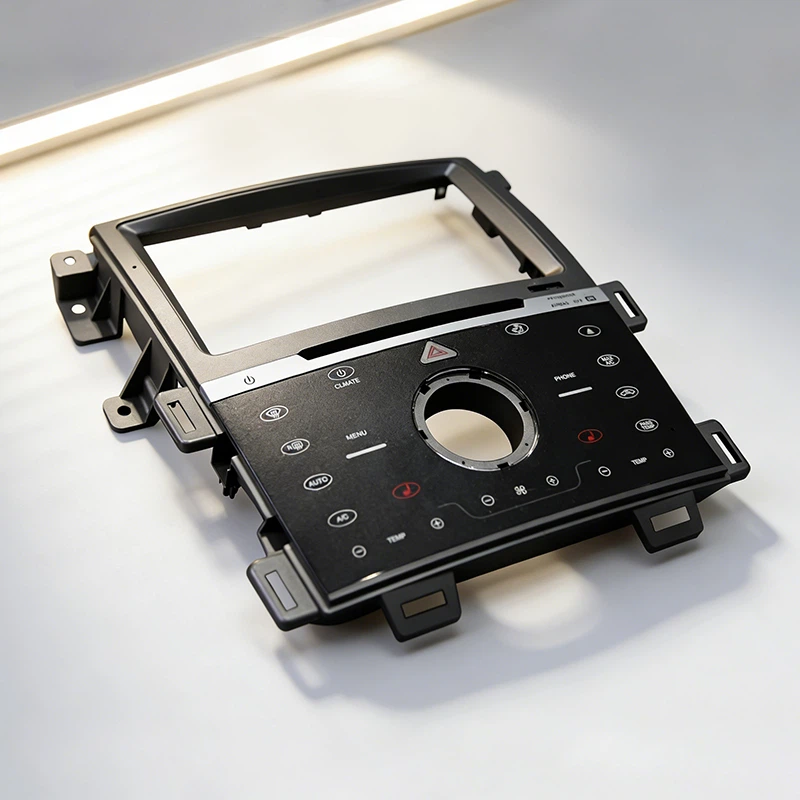
But even with these shortcomings, injection molding quickly caught on. It was used to make a variety of products like buttons, collar stays, and combs. The technology was a step forward in mass - producing plastic items, which were more affordable and easier to manufacture compared to traditional materials.
The Mid - 20th Century: Big Improvements
As the 20th century rolled in, injection molding technology saw some major upgrades. In the 1940s, the development of new thermoplastic materials like polystyrene and polyethylene opened up a whole new world. These materials were more versatile, had better properties, and could be used to make a wider range of products.
The screw - type injection molding machine was also introduced during this time. This was a huge improvement over the old plunger - type machines. The screw could mix and melt the plastic more efficiently, resulting in better - quality parts. It also allowed for more precise control of the injection process, which meant that manufacturers could produce more complex and accurate parts.
During World War II, injection molding played a crucial role in the production of military equipment. It was used to make everything from small components for radios to parts for aircraft. This increased demand for injection - molded products led to further research and development in the field.
The Modern Era: High - Tech Injection Molding
Fast forward to today, and injection molding has become an incredibly advanced technology. We now have access to a vast array of high - performance plastics with properties like high strength, heat resistance, and chemical resistance. These materials are used in industries such as automotive, aerospace, medical, and consumer electronics.
Computer - aided design (CAD) and computer - aided manufacturing (CAM) have revolutionized the injection molding process. Designers can create detailed 3D models of parts, and then use software to simulate the injection molding process. This helps to identify potential issues early on, such as warping or air traps, and make necessary adjustments.
Automation has also become a big part of modern injection molding. Robots are used to handle parts, remove them from the molds, and perform secondary operations like trimming and assembly. This not only increases efficiency but also improves the consistency and quality of the products.
How Our Injection Molding Services Fit In
As an injection molding supplier, we've been riding this wave of technological development. We've invested in the latest equipment and software to ensure that we can offer our customers the best possible products. Our state - of - the - art machines are capable of producing high - precision parts with tight tolerances.
We work closely with our customers from the design phase all the way through to production. Whether you need a simple part or a complex component, we can use CAD/CAM technology to optimize the design and ensure that it can be efficiently manufactured. Our team of experts has years of experience in the field, and we can provide valuable insights and advice to help you get the best results.
In addition to injection molding, we also offer related services. If you're interested in CNC Machining, we can use this technology to create parts with different geometries or to add finishing touches to your injection - molded products. And for those who need Cable Assembly, we've got you covered too.
Why Choose Injection Molding?
There are several reasons why injection molding is such a popular manufacturing process. First of all, it's highly efficient for mass production. Once the mold is created, it can produce thousands or even millions of parts with consistent quality. This makes it a cost - effective option for large - scale production.
Secondly, injection molding allows for a high degree of design flexibility. You can create parts with intricate shapes, thin walls, and complex features. The process can also incorporate multiple materials or colors in a single part, which gives you more options for product design.
Finally, injection - molded parts have good mechanical properties. The plastics used can be engineered to have specific strength, hardness, and other characteristics, making them suitable for a wide range of applications.
Contact Us for Your Injection Molding Needs
If you're in the market for high - quality injection - molded products, we'd love to hear from you. Whether you're a startup looking to bring a new product to market or an established company looking to improve your existing manufacturing process, we have the expertise and resources to help you.
Just head over to our Injection Molding page to learn more about our services. You can also get in touch with our team, and we'll be happy to discuss your project in detail, provide a quote, and answer any questions you might have.
References
- "Injection Molding Handbook" by O. Olafsson
- "Plastic Materials and Processing" by James F. Carley
- Various industry reports and research articles on injection molding technology development.


