


As an MCPCB supplier, I've seen firsthand the many challenges and effects that various environmental factors can have on our products. One such factor that often gets overlooked but can have a pretty significant impact is salt spray. Let's dig into what exactly salt spray is and how it messes with MCPCBs.
What's Salt Spray Anyway?
Salt spray is essentially a mist of liquid droplets filled with salt particles. You usually find it in coastal areas where the ocean waves break and fling tiny salt - laden droplets into the air. It can also be present in industrial settings where there's a lot of salt - based chemicals in use. The salt in the spray is mainly sodium chloride, but it can also contain other salts like magnesium chloride and calcium chloride.
The thing about salt spray is that it's not just a passing annoyance. Over time, it can cause some serious problems for electronic components, including MCPCBs. And since MCPCBs are used in a ton of applications, from LED lighting to power supplies, understanding the impact of salt spray is super important.
How Salt Spray Affects MCPCBs
Corrosion
The most obvious and probably the most damaging effect of salt spray on MCPCBs is corrosion. When salt particles land on the surface of an MCPCB, they start to absorb moisture from the air. This forms a thin layer of electrolyte solution on the board. The metal parts on the MCPCB, like the copper traces and pads, start to react with this electrolyte.
Copper, which is commonly used in MCPCBs, reacts with the salt - water solution to form copper salts. These salts are often greenish in color, and you might have seen them on old copper pipes or statues. The corrosion process weakens the copper traces, which can lead to a loss of electrical conductivity. If the traces corrode too much, it can cause an open circuit, and the MCPCB will stop working.
The aluminum substrate in Aluminum PCB can also be affected by salt spray. Aluminum forms a thin oxide layer on its surface, which usually protects it from further corrosion. But in the presence of salt spray, this oxide layer can be damaged. Chloride ions in the salt solution can break through the oxide layer and react with the aluminum, causing pitting corrosion. This can reduce the mechanical strength of the substrate and also affect its thermal conductivity.
Insulation Resistance Reduction
Another problem with salt spray is that it reduces the insulation resistance of the MCPCB. The salt - water film on the board can act as a conductor, allowing electrical current to leak between different parts of the circuit that are supposed to be insulated from each other.
This leakage current can cause a variety of issues. For example, it can lead to increased power consumption, as the circuit is essentially wasting energy through these unwanted conductive paths. It can also cause signal interference, especially in high - frequency circuits. The presence of leakage current can distort the electrical signals being transmitted on the board, leading to errors in the operation of the device.
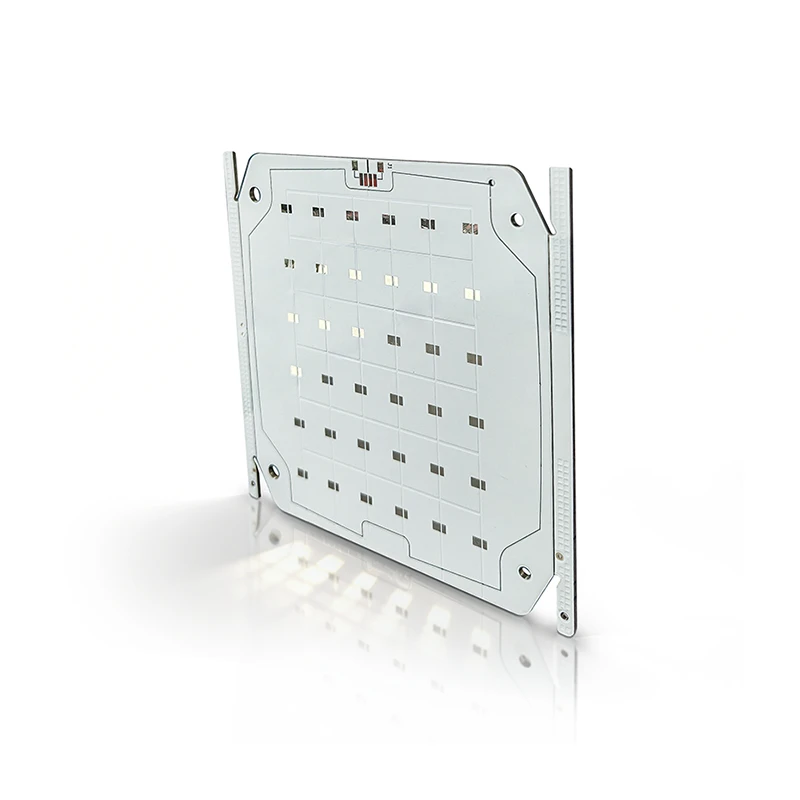
Growth of Conductive Filaments
Salt spray can also promote the growth of conductive filaments on the MCPCB. When the salt - water solution is present on the board, metal ions can start to migrate from one conductive area to another. This migration is often driven by the electric field between different parts of the circuit.
Over time, these migrating metal ions can form tiny filaments that bridge the gap between two conductive areas. These filaments are conductive, which means they can short - circuit different parts of the circuit. A short - circuit can cause a sudden increase in current flow, which can damage components on the board and even lead to a complete failure of the device.
How to Protect MCPCBs from Salt Spray
Coating
One of the most common ways to protect MCPCBs from salt spray is to apply a coating. There are several types of coatings available, such as conformal coatings and potting compounds.
Conformal coatings are thin layers of material that are applied directly to the surface of the MCPCB. They can be made of materials like acrylic, silicone, or urethane. These coatings act as a barrier, preventing salt particles from coming into direct contact with the metal parts of the board. They also help to repel moisture, which reduces the chances of corrosion and the formation of conductive filaments.
Potting compounds, on the other hand, are used to encapsulate the entire MCPCB. They are usually thicker and more rigid than conformal coatings. Potting compounds provide a high level of protection against salt spray, as well as other environmental factors like dust and vibration. However, they can be more difficult to apply and remove if repairs are needed.
Design Considerations
Proper design can also help to minimize the impact of salt spray on MCPCBs. For example, increasing the spacing between conductive traces can reduce the chances of short - circuits caused by conductive filaments. Using wider traces can also help to reduce the resistance of the circuit and make it more resistant to corrosion.
In addition, designing the MCPCB to be more resistant to moisture can also be beneficial. This can include using materials with low water absorption rates and ensuring that there are proper drainage holes in the enclosure to prevent water from pooling on the board.
Our Role as an MCPCB Supplier
As an MCPCB supplier, it's our responsibility to make sure that our products can withstand the challenges posed by salt spray and other environmental factors. We work closely with our customers to understand their specific requirements and design MCPCBs that are suitable for their applications.
We use high - quality materials in our manufacturing process, and we have strict quality control measures in place to ensure that our MCPCBs meet the highest standards. We also offer a range of coating options to protect our boards from salt spray and other forms of corrosion.
If you're in an industry where your MCPCBs are likely to be exposed to salt spray, such as marine or coastal applications, we're here to help. We can provide you with customized solutions that will ensure the long - term reliability of your electronic devices. Whether you need a small batch of prototype MCPCBs or a large - scale production run, we've got you covered.
If you're interested in learning more about our MCPCB products or have any questions about how to protect them from salt spray, don't hesitate to reach out. We're always happy to have a chat and help you find the best solution for your needs. Contact us today to start the conversation and let's work together to get the right MCPCBs for your project.
References
- "Corrosion of Electronic Components in Harsh Environments" by Johnson, A.
- "Designing PCBs for Salt Spray Resistance" in the Journal of Printed Circuit Technology.
- "Environmental Considerations for MCPCB Applications" from an industry white - paper.


