


Hey there! I'm a supplier in the injection molding business, and today I want to chat about injection pressure in injection molding. It's a crucial aspect that can make or break your molding projects, so let's dive right in.

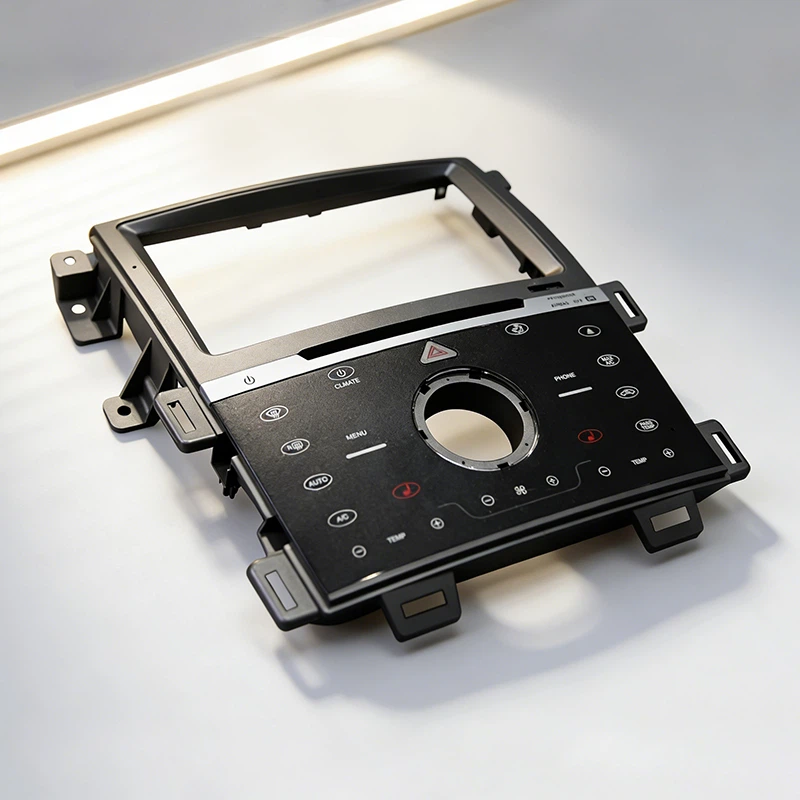
What is Injection Pressure?
Injection pressure is basically the force that's applied to the molten plastic to push it into the mold cavity. Think of it like squeezing toothpaste out of a tube. You need enough pressure to get the toothpaste (or in our case, the plastic) to fill up the entire space. In injection molding, this pressure is measured in pounds per square inch (psi) or megapascals (MPa).
When we start an injection molding process, the plastic pellets are first heated until they turn into a molten state. Then, a screw or a plunger is used to push this molten plastic into the mold. The injection pressure determines how fast and how completely the plastic fills the mold. If the pressure is too low, the plastic might not reach all parts of the mold, resulting in incomplete or defective parts. On the other hand, if the pressure is too high, it can cause issues like flash (excess plastic that oozes out of the mold), or even damage the mold itself.
Why is Injection Pressure Important?
The right injection pressure is super important for a few reasons. First of all, it affects the quality of the final product. If the pressure is just right, the plastic will fill the mold evenly, creating a part with consistent thickness and a smooth surface finish. This is crucial, especially for parts that need to fit together precisely or have a specific aesthetic appeal.
Secondly, injection pressure can impact the production efficiency. If the pressure is too low, it might take longer to fill the mold, which means longer cycle times and lower production rates. On the other hand, if the pressure is too high, it can cause wear and tear on the mold and the injection molding machine, leading to more maintenance and downtime.
Factors Affecting Injection Pressure
There are several factors that can influence the required injection pressure. One of the main factors is the type of plastic being used. Different plastics have different viscosities, which is a measure of how thick or thin they are in their molten state. For example, a high-viscosity plastic like polycarbonate will require more pressure to flow into the mold compared to a low-viscosity plastic like polyethylene.
The design of the mold also plays a big role. If the mold has a complex shape or small features, it will require more pressure to ensure that the plastic can reach all areas. The size of the part is another factor. Larger parts generally need more pressure to fill completely.
The temperature of the plastic and the mold also affects the injection pressure. If the plastic is too cold, it will be more viscous and require more pressure to flow. Similarly, if the mold is too cold, it can cause the plastic to solidify too quickly, making it harder to fill the mold.
How to Determine the Right Injection Pressure
Determining the right injection pressure is a bit of a balancing act. It usually involves some trial and error. We start by looking at the recommended pressure range for the specific plastic we're using. Then, we make some test parts and adjust the pressure based on the results.
We also use sensors and monitoring systems to measure the pressure during the injection process. This allows us to make real-time adjustments and ensure that the pressure stays within the optimal range.
Our Services as an Injection Molding Supplier
As an injection molding supplier, we have a lot of experience in dealing with different types of plastics and molds. We use state-of-the-art equipment and techniques to ensure that we can achieve the right injection pressure for every project.
We offer a wide range of services, including Injection Molding. Our team of experts can work with you to design and manufacture high-quality injection molded parts. We also provide CNC Machining services for parts that require more precision and complex shapes. And if you need Cable Assembly, we've got you covered too.
Contact Us for Your Injection Molding Needs
If you're in the market for injection molded parts or any of our other services, don't hesitate to reach out. We're here to help you with all your manufacturing needs. Whether you have a small prototype project or a large-scale production run, we can provide the solutions you need.
References
- "Injection Molding Handbook" by O. Olajide
- "Plastics Processing Technology" by John A. Brydson
So, that's a wrap on injection pressure in injection molding. I hope this blog has given you a better understanding of this important aspect of the injection molding process. If you have any questions or need more information, feel free to get in touch.


