


As an operator in the injection molding industry, I've seen firsthand the crucial role that injection molding operators play in the manufacturing process. In my position as an employee of an [Authentic Supplier], I'm well - versed in the requirements of this role. Our company specializes in high - quality Injection Molding, and I'd like to share what skills injection molding operators should possess.
Technical Skills
Machine Operation
The most fundamental skill an injection molding operator must have is the ability to operate the injection molding machine proficiently. This includes understanding the control panel, which consists of various buttons, switches, and display screens. The operator needs to be able to set the correct temperature, pressure, and injection speed according to the material and the product design. For instance, different types of plastics have different melting points, and the temperature needs to be precisely controlled to ensure a perfect molding.
Moreover, operators should be able to perform basic maintenance tasks on the machine. This could involve cleaning the machine regularly, lubricating moving parts, and replacing worn - out components in a timely manner. By keeping the machine in good condition, operators can reduce the risk of breakdowns and ensure a continuous production process.
Mold Handling
Molds are the heart of injection molding. Operators need to know how to install, align, and remove molds safely and accurately. They must use the appropriate tools to secure the mold to the machine and make sure that it is properly aligned. Incorrect alignment can lead to defective products with uneven shapes or thicknesses.
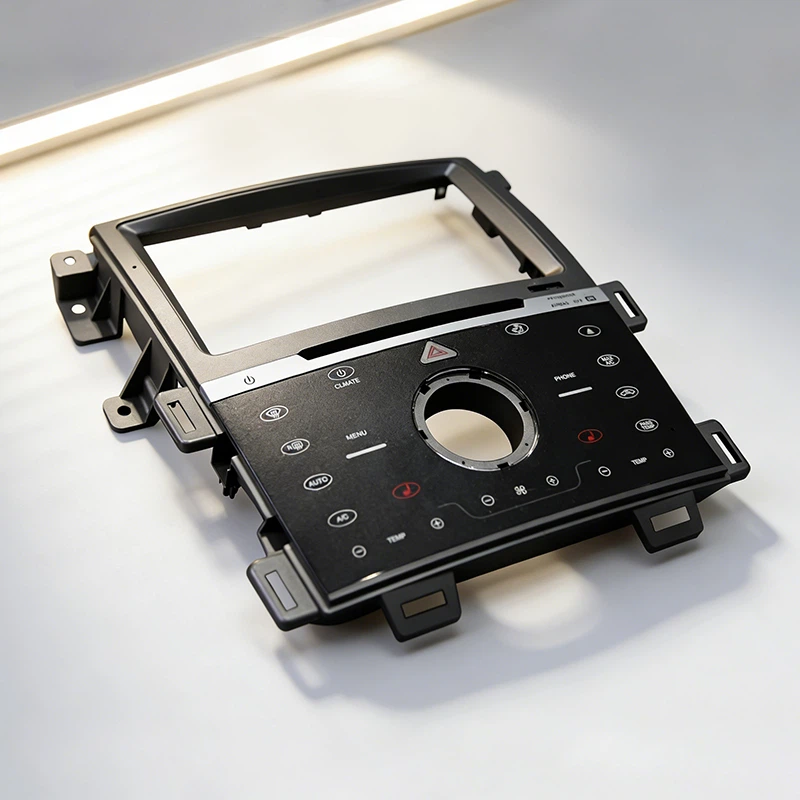

In addition, operators should be able to inspect molds for any signs of damage, such as cracks or wear. If damage is detected, they need to report it immediately so that repairs can be carried out. Good mold handling also includes understanding the different types of molds and their specific requirements for different products.
Material Knowledge
A deep understanding of materials is essential for injection molding operators. They need to know the characteristics of different plastics, such as their melting points, flow rates, and shrinkage rates. This knowledge helps them to select the right material for the product and to adjust the machine settings accordingly.
For example, some plastics are more prone to warping during the cooling process. An operator who is aware of this can take steps to minimize warping, such as adjusting the cooling time or the temperature of the cooling water. In our company, we work with a wide range of materials, and our operators need to be familiar with each one to ensure high - quality production.
Problem - Solving Skills
Troubleshooting
During the injection molding process, problems can arise at any time. These can include issues such as air bubbles in the product, flash (excess plastic around the edges of the product), or short shots (where the mold is not completely filled). Operators need to be able to quickly identify the root cause of these problems and take appropriate corrective actions.
This might involve adjusting the machine settings, checking the mold for blockages, or inspecting the raw material for impurities. Troubleshooting requires a combination of technical knowledge and practical experience. In our day - to - day operations, operators are often the first line of defense in resolving these issues, and their ability to troubleshoot effectively can save a lot of time and resources.
Quality Control
Quality control is a critical aspect of injection molding. Operators need to be able to perform regular inspections of the products to ensure that they meet the required specifications. This includes checking for dimensional accuracy, surface finish, and the presence of any defects.
They should be familiar with the use of measuring tools such as calipers and micrometers. If a product does not meet the quality standards, the operator needs to take steps to correct the problem, which could involve adjusting the machine or the mold. In our company, we have strict quality control procedures, and operators play a key role in maintaining these standards.
Soft Skills
Teamwork
Injection molding operations often involve a team of people, including machine operators, mold technicians, and quality control inspectors. Operators need to be able to work effectively as part of a team. This means communicating clearly with other team members, sharing information about the production process, and collaborating to solve problems.
For example, if an operator notices a potential issue with the mold, they need to inform the mold technician immediately. By working together, the team can ensure that the production process runs smoothly and that high - quality products are produced.
Attention to Detail
Attention to detail is crucial in injection molding. A small mistake, such as an incorrect temperature setting or a misaligned mold, can lead to defective products. Operators need to be meticulous in their work, carefully monitoring every aspect of the production process.
They should pay close attention to the details of the product design, the machine settings, and the condition of the mold. By being detail - oriented, operators can prevent many problems from occurring and ensure the consistent quality of the products.
Time Management
In a manufacturing environment, time is of the essence. Operators need to be able to manage their time effectively to meet production deadlines. This involves planning their work, setting priorities, and ensuring that the machine is running continuously without unnecessary downtime.
For example, they need to schedule regular maintenance tasks in a way that does not disrupt the production schedule. By managing their time well, operators can increase the productivity of the injection molding process and contribute to the overall success of the company.
Skills in Related Areas
CNC Machining Knowledge
Although injection molding and CNC Machining are different processes, having some knowledge of CNC machining can be beneficial for injection molding operators. CNC machining is often used to create molds for injection molding. Understanding how CNC machines work can help operators better communicate with mold - making technicians and have a better understanding of the mold design and manufacturing process.
For instance, if an operator has knowledge of CNC machining, they can provide valuable feedback on the mold design to ensure that it is suitable for the injection molding process. This cross - knowledge can lead to more efficient production and higher - quality molds.
Cable Assembly Understanding
In some cases, injection - molded products may require cable assembly. Having an understanding of Cable Assembly can be an added advantage for injection molding operators. They need to know how to integrate cables into the molded products properly, ensuring that the cables are securely connected and do not interfere with the functionality of the product.
For example, if the injection - molded product is an electronic device, the operator needs to make sure that the cables are routed correctly and that the electrical connections are safe and reliable.
In conclusion, injection molding operators need to possess a diverse set of skills, including technical skills, problem - solving skills, soft skills, and knowledge in related areas. These skills are essential for ensuring the smooth operation of the injection molding process, producing high - quality products, and contributing to the overall success of the company. If you are interested in our injection molding services or have any procurement needs, we welcome you to reach out to us for a detailed discussion.
References
- "Injection Molding Handbook"
- "Manufacturing Processes for Engineering Materials"
- Industry reports on injection molding best practices


