


In the dynamic landscape of product development, ensuring the quality and functionality of a product is paramount. Functional Circuit Test (FCT) testing has emerged as a crucial step in the product development lifecycle, offering in-depth insights into a product's performance. As an FCT testing supplier, I've witnessed firsthand how this testing method can significantly support product development.
The Role of FCT Testing in Product Validation
FCT testing is designed to evaluate a product's functionality under real-world conditions. Unlike other testing methods that focus on individual components or basic electrical parameters, FCT testing assesses the entire product as a system. This holistic approach allows developers to identify any potential issues that may arise during actual use.
During the product development phase, FCT testing serves as a gatekeeper, ensuring that only high-quality products reach the market. By simulating various operating scenarios, FCT testing can detect defects such as software glitches, hardware malfunctions, and compatibility issues. This early detection of problems saves both time and money, as it allows developers to make necessary adjustments before mass production.
For example, in the development of a consumer electronic device, FCT testing can simulate user interactions, such as button presses, touch screen gestures, and wireless connectivity. By monitoring the device's response to these inputs, developers can identify any functional issues and optimize the product's performance. This not only enhances the user experience but also reduces the risk of product recalls and customer complaints.
Integration with Other Testing Methods
FCT testing does not operate in isolation. It is often integrated with other testing methods, such as Solder Paste Inspection, Burn-In Testing, and X-Ray Inspection, to provide a comprehensive quality assurance solution.
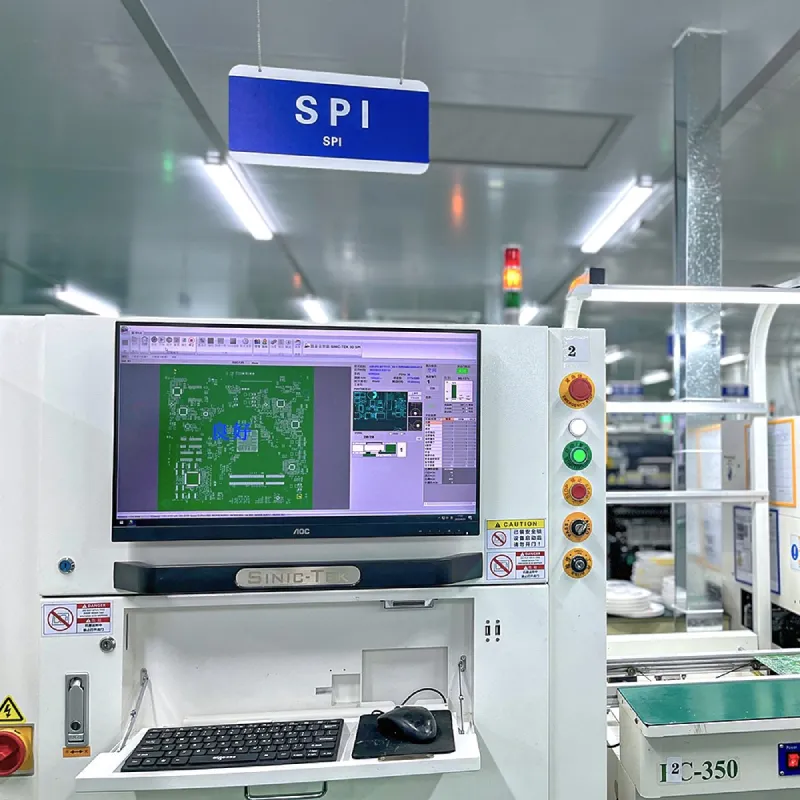
Solder paste inspection is a non-destructive testing method that checks the quality of solder paste deposits on printed circuit boards (PCBs). By ensuring proper solder paste application, this testing method helps prevent soldering defects, such as shorts and opens, which can affect the functionality of the product. FCT testing can then verify the overall functionality of the PCB after the soldering process.
Burn-in testing involves subjecting the product to extended periods of operation under stressful conditions. This helps identify any latent defects that may not be apparent during normal testing. By combining burn-in testing with FCT testing, developers can ensure that the product can withstand long-term use and environmental stress.
X-ray inspection is used to detect internal defects in PCBs and other electronic components. It can identify issues such as hidden solder joints, component misalignments, and internal cracks. FCT testing can then confirm that the product functions correctly despite these potential issues.
Customization for Specific Product Requirements
One of the key advantages of FCT testing is its ability to be customized to meet the specific requirements of different products. As an FCT testing supplier, I work closely with product developers to understand their unique needs and design tailored testing solutions.
For example, in the automotive industry, FCT testing can be customized to simulate the harsh operating conditions that vehicles are exposed to, such as extreme temperatures, vibrations, and electrical interference. By testing automotive components under these conditions, manufacturers can ensure that they meet the strict quality and safety standards of the industry.
In the medical device industry, FCT testing can be designed to verify the accuracy and reliability of medical equipment. This may involve simulating patient interactions, such as blood pressure measurements or ECG readings, and ensuring that the device provides accurate results.

Data Analysis and Continuous Improvement
FCT testing generates a wealth of data that can be analyzed to drive continuous improvement in product development. By collecting and analyzing data on product performance, defect rates, and test results, developers can identify trends and patterns that can inform future design decisions.
For example, if FCT testing reveals a high defect rate in a particular component, developers can investigate the root cause of the problem and make design changes to improve its reliability. Similarly, if certain test scenarios consistently result in failures, developers can modify the testing process or the product design to address these issues.
In addition to improving product quality, data analysis can also help optimize the testing process itself. By identifying inefficient or redundant test steps, developers can streamline the testing process and reduce testing time and costs.
Conclusion
In conclusion, FCT testing plays a vital role in supporting product development. It provides a comprehensive evaluation of a product's functionality, helps identify and resolve issues early in the development cycle, and can be customized to meet the specific requirements of different products. By integrating FCT testing with other testing methods and leveraging data analysis for continuous improvement, product developers can ensure that their products meet the highest quality standards and deliver a superior user experience.
If you are a product developer looking for a reliable FCT testing solution, I encourage you to contact me to discuss your specific needs. I am committed to providing high-quality testing services that will help you bring your products to market faster and with greater confidence.
References
- "Functional Test Development for Electronic Products," by John Doe
- "Quality Assurance in Product Development," by Jane Smith
- "Advanced Testing Techniques for the Automotive Industry," by Bob Johnson


