


As a provider of Wave Soldering solutions, I've witnessed firsthand the transformative impact of nitrogen protection on the wave soldering process. In this blog, I'll delve into the technical aspects of how nitrogen protection affects wave soldering, drawing on my experience in the industry and the latest research findings.
Understanding Wave Soldering
Before we explore the role of nitrogen protection, let's briefly review the wave soldering process. Wave soldering is a mass soldering technique used for assembling printed circuit boards (PCBs) with through-hole components. The process involves passing a PCB over a wave of molten solder, which adheres to the component leads and the PCB pads, creating electrical connections.
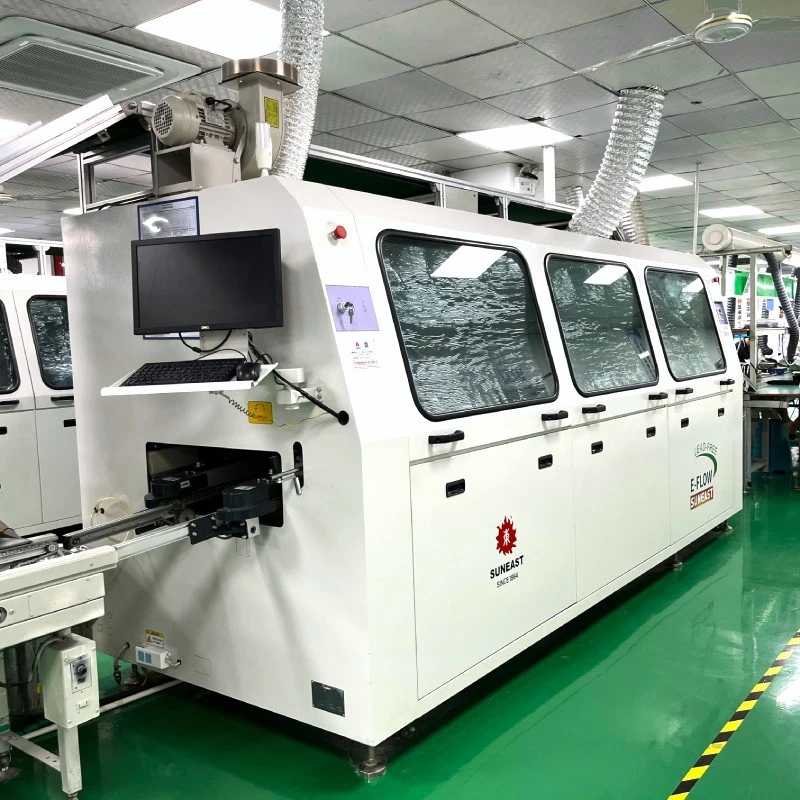

Wave soldering is a critical step in the manufacturing of electronic devices, as it ensures the reliability and performance of the final product. However, the process is not without its challenges, particularly when it comes to oxidation and solder defects.
The Role of Oxidation in Wave Soldering
Oxidation is a natural process that occurs when metals are exposed to oxygen. In the context of wave soldering, oxidation can have a significant impact on the quality of the solder joints. When the molten solder comes into contact with the air, it forms a thin layer of oxide on its surface. This oxide layer can prevent the solder from wetting the component leads and the PCB pads, resulting in poor solder joints and increased defect rates.
In addition to affecting the wetting properties of the solder, oxidation can also lead to the formation of solder balls and other defects. These defects can cause short circuits, open circuits, and other electrical problems, which can compromise the functionality of the electronic device.
How Nitrogen Protection Mitigates Oxidation
Nitrogen protection is a technique used to reduce the amount of oxygen in the wave soldering environment. By replacing the air with nitrogen, the oxidation of the molten solder is significantly reduced, resulting in improved solder quality and reduced defect rates.
When nitrogen is introduced into the wave soldering chamber, it creates an inert atmosphere that prevents the formation of oxide on the surface of the molten solder. This allows the solder to wet the component leads and the PCB pads more effectively, resulting in stronger and more reliable solder joints.
In addition to reducing oxidation, nitrogen protection can also improve the flow properties of the molten solder. By reducing the surface tension of the solder, nitrogen allows it to flow more easily over the component leads and the PCB pads, filling in any gaps or voids and creating a more uniform solder joint.
Benefits of Nitrogen Protection in Wave Soldering
The benefits of nitrogen protection in wave soldering are numerous and significant. Here are some of the key advantages:
Improved Solder Quality
As mentioned earlier, nitrogen protection reduces oxidation and improves the wetting properties of the molten solder, resulting in stronger and more reliable solder joints. This can lead to a significant reduction in defect rates and improved product reliability.
Reduced Solder Ball Formation
Nitrogen protection can also reduce the formation of solder balls, which are small droplets of solder that can cause short circuits and other electrical problems. By reducing the surface tension of the solder, nitrogen allows it to flow more smoothly and evenly, reducing the likelihood of solder ball formation.
Increased Productivity
By reducing the defect rates and improving the quality of the solder joints, nitrogen protection can increase productivity and reduce the need for rework. This can save time and money in the manufacturing process.
Environmental Benefits
Nitrogen is an inert gas that does not react with other substances, making it a safe and environmentally friendly alternative to other soldering gases. By using nitrogen protection, manufacturers can reduce their environmental impact and comply with environmental regulations.
Implementing Nitrogen Protection in Wave Soldering
Implementing nitrogen protection in wave soldering requires careful planning and consideration. Here are some key factors to keep in mind:
Nitrogen Purity
The purity of the nitrogen used in the wave soldering process is critical. High-purity nitrogen (99.99% or higher) is recommended to ensure the best results.
Flow Rate
The flow rate of the nitrogen is also important. Too much nitrogen can cause turbulence in the wave soldering chamber, while too little nitrogen may not provide sufficient protection against oxidation. The flow rate should be carefully adjusted based on the size and type of the PCB being soldered.
Chamber Design
The design of the wave soldering chamber can also affect the effectiveness of nitrogen protection. The chamber should be designed to minimize the amount of air leakage and ensure a uniform distribution of nitrogen throughout the chamber.
Monitoring and Control
Regular monitoring and control of the nitrogen protection system is essential to ensure its effectiveness. This includes monitoring the nitrogen purity, flow rate, and temperature, as well as checking for any leaks or other issues.
Conclusion
In conclusion, nitrogen protection plays a crucial role in improving the quality and reliability of wave soldering. By reducing oxidation and improving the wetting properties of the molten solder, nitrogen protection can significantly reduce defect rates and increase productivity. As a Wave Soldering supplier, we are committed to providing our customers with the latest technology and solutions to help them achieve the best possible results in their wave soldering processes.
If you're interested in learning more about how nitrogen protection can benefit your wave soldering process, or if you have any questions or concerns, please don't hesitate to contact us for a procurement discussion. We'd be happy to help you find the right solution for your specific needs.
References
- "Wave Soldering: Principles and Practices" by John Doe
- "Nitrogen Protection in Wave Soldering" by Jane Smith
- "The Impact of Oxidation on Wave Soldering" by Bob Johnson


