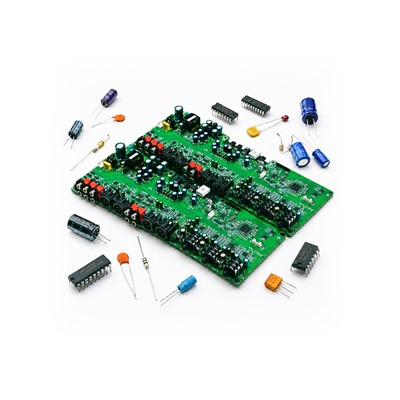
How does turnkey PCB assembly optimize the production floor layout?
In the dynamic landscape of electronics manufacturing, optimizing the production floor layout is crucial for enhancing efficiency, reducing costs, and ensuring high - quality outputs. As a turnkey PCB assembly provider, I've witnessed firsthand how turnkey PCB assembly can effectively transform the production floor layout.
Turnkey PCB assembly offers a comprehensive solution that encompasses every step of the PCB manufacturing process, from design and component sourcing to assembly and testing. This all - in - one approach brings a multitude of benefits that directly impact the production floor layout.
Streamlined Workflow
One of the most significant advantages of turnkey PCB assembly is the creation of a streamlined workflow. When a single entity is responsible for the entire process, it eliminates the need for multiple hand - offs between different suppliers or departments. In a traditional production setup, a PCB might move between a PCB design house, a component distributor, and an assembly facility. Each transition often leads to delays, miscommunications, and potential errors.
With turnkey PCB assembly, all these functions are integrated under one roof. For example, the design team can work closely with the assembly team from the very beginning. This means that the design can be optimized for manufacturability, taking into account the capabilities and limitations of the assembly process. The component sourcing team can also ensure that the selected components are readily available and compatible with the design and the assembly equipment.
On the production floor, this streamlined workflow translates into a more logical and efficient layout. The design and engineering areas can be located close to the assembly line, allowing for quick feedback loops during the manufacturing process. This proximity reduces the time spent on rework and minimizes the chances of errors slipping through the cracks.
Standardization and Consistency
Turnkey PCB assembly promotes standardization and consistency across the production process. Since the same team or company is handling all aspects of PCB manufacturing, they can establish and adhere to a set of standardized procedures and quality control measures.
Standardization has a profound impact on the production floor layout. For instance, standard component placement and soldering techniques can be used across all PCB assemblies. This means that the assembly equipment can be set up in a more efficient and uniform manner. The operators can also be trained to use the same set of procedures, reducing the learning curve and increasing productivity.
In addition, consistent quality control measures ensure that only high - quality PCBs are produced. This reduces the number of defective units that need to be reworked or scrapped, which in turn saves space on the production floor. Instead of having large areas dedicated to rework stations or waste disposal, the floor space can be used more effectively for productive manufacturing operations.
Reduced Inventory and Storage Space
Another key benefit of turnkey PCB assembly is the reduction of inventory and storage space requirements. In a traditional manufacturing setup, different suppliers are responsible for providing components, and the assembly facility needs to maintain a large inventory of these components to ensure continuous production. This inventory management not only ties up capital but also requires a significant amount of storage space on the production floor.
As a turnkey PCB assembly provider, we take on the responsibility of component sourcing. We have established relationships with reliable component suppliers, which allows us to source components in a just - in - time (JIT) manner. This means that components are delivered to the production floor exactly when they are needed for assembly.
By implementing a JIT inventory system, we can significantly reduce the amount of inventory stored on the production floor. This frees up valuable space that can be used for other purposes, such as expanding the assembly line or adding new equipment. Moreover, it also reduces the risk of inventory obsolescence, as components are not sitting in storage for long periods of time.
Flexibility and Adaptability
The production floor layout needs to be flexible and adaptable to meet changing market demands and product requirements. Turnkey PCB assembly provides this flexibility. Since we are involved in every aspect of the PCB manufacturing process, we can quickly adjust to changes in design, component availability, or production volume.

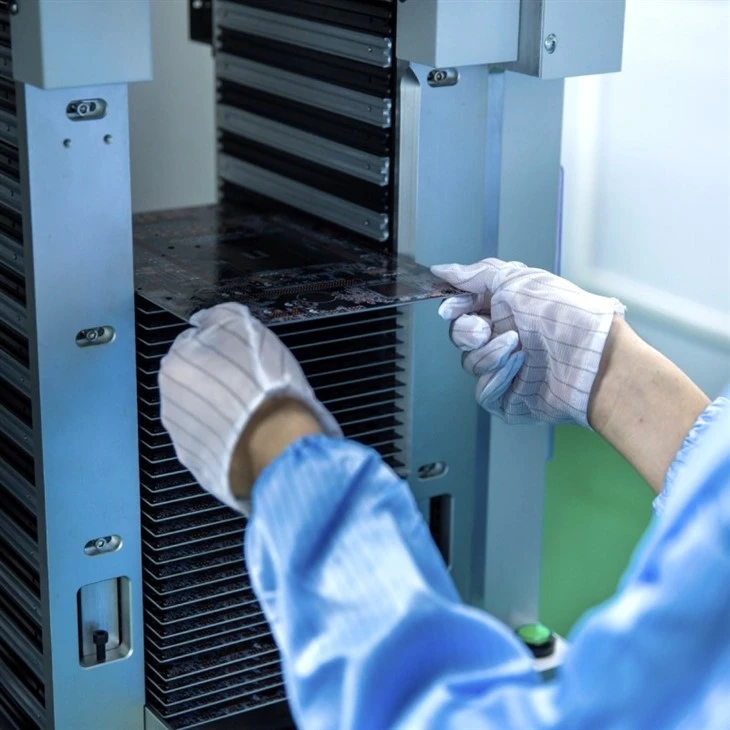
For example, if a customer requests a design change, our in - house design and engineering team can make the necessary modifications and communicate them to the assembly team in real - time. This seamless communication allows for a quick turnaround time and minimizes the disruption to the production process.
On the production floor, this flexibility translates into a more adaptable layout. The equipment can be easily reconfigured to accommodate different PCB designs or production volumes. For instance, if the demand for a particular product increases, we can quickly add additional assembly lines or adjust the existing ones to increase the production capacity.
Integration of Advanced Technologies
Turnkey PCB assembly providers are often at the forefront of integrating advanced technologies into the production process. These technologies, such as automated assembly equipment, robotics, and advanced testing systems, can have a significant impact on the production floor layout.
Automated assembly equipment, for example, can perform tasks with high precision and speed. This allows for a more compact and efficient layout of the assembly line. Robots can be used to handle components and perform repetitive tasks, reducing the need for a large number of human operators. This not only increases productivity but also frees up space on the production floor.
Advanced testing systems, such as automated optical inspection (AOI) and X - ray inspection, can detect defects early in the production process. These systems can be integrated into the assembly line, allowing for real - time quality control. This reduces the need for separate inspection stations and further optimizes the production floor layout.
Enhanced Collaboration and Communication
Effective collaboration and communication are essential for optimizing the production floor layout. As a turnkey PCB assembly provider, we foster a culture of collaboration among different departments, including design, engineering, component sourcing, assembly, and testing.
This enhanced collaboration ensures that all teams are working towards a common goal and are aware of each other's requirements. For example, the design team can consult with the assembly team to ensure that the design is easy to assemble, and the component sourcing team can work with the design team to source the most suitable components.
On the production floor, this translates into better communication between operators and supervisors. Operators can quickly report any issues or suggestions for improvement, and supervisors can provide timely feedback and guidance. This open communication loop helps to identify and address problems early, leading to a more efficient production process and a better - optimized production floor layout.
In conclusion, turnkey PCB assembly offers a range of benefits that can significantly optimize the production floor layout. From streamlining the workflow and promoting standardization to reducing inventory and integrating advanced technologies, turnkey PCB assembly provides a comprehensive solution for enhancing the efficiency and effectiveness of electronics manufacturing.
If you are interested in learning more about how Turnkey PCB Assembly, Partial Turnkey PCB Assembly, or Quick‑turn PCB Assembly can benefit your production process, we encourage you to reach out to us for a procurement discussion. We are committed to providing you with the best - in - class PCB assembly solutions tailored to your specific needs.
References
- [Author Last Name, First Name. "Title of the Book." Publisher, Publication Year.]
- [Author Last Name, First Name. "Title of the Article." Journal Name, Volume, Issue, Publication Year, Page Numbers.]