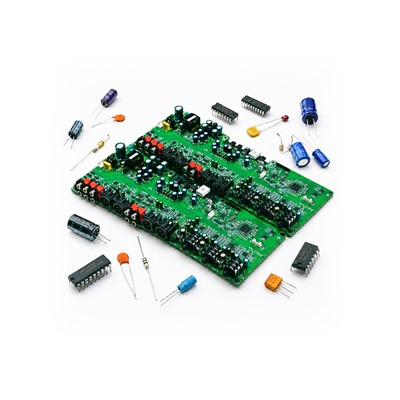
In the world of PCB (Printed Circuit Board) manufacturing, the price of sourced components can be a real head - scratcher. As a PCB component sourcing supplier, I've seen firsthand how a multitude of factors can send those prices soaring or bring them back down to earth. Let's dive into what exactly affects the cost of these crucial parts.
Supply and Demand
One of the most fundamental factors is the classic economic principle of supply and demand. When the demand for a particular PCB component skyrockets, and the supply can't keep up, prices are bound to increase. For example, in recent years, the boom in the Internet of Things (IoT) has led to a huge surge in demand for microcontrollers and sensors. These components are the building blocks of countless IoT devices, and as more and more companies jump on the IoT bandwagon, the demand has far outstripped the supply in some cases.
On the flip side, if there's an oversupply of a component, prices will take a nosedive. This can happen when a new technology emerges, rendering an existing component obsolete. Manufacturers might have over - produced the old - fashioned part, and now they're stuck with a surplus. To get rid of the inventory, they'll lower the prices.
Component Complexity
The complexity of a PCB component plays a significant role in its price. Components that are more intricate and have a higher level of functionality generally cost more. Take, for instance, a high - end Field - Programmable Gate Array (FPGA). These devices can be programmed to perform a wide variety of tasks, making them incredibly versatile. However, their complex design and manufacturing process mean that they come with a hefty price tag.
On the other hand, simple passive components like resistors and capacitors are much less expensive. They have straightforward designs and are mass - produced, which helps keep the costs down.


Manufacturing Process
The manufacturing process of a PCB component can also have a big impact on its price. Some components require highly specialized manufacturing techniques, such as advanced lithography for semiconductor chips. These techniques are not only expensive to set up but also require a high level of precision and expertise.
Moreover, the quality control measures during the manufacturing process can add to the cost. Components that need to meet strict quality standards, like those used in medical or aerospace applications, will go through rigorous testing procedures. This additional testing and inspection increase the overall production cost, which is then reflected in the price of the component.
Raw Material Costs
The cost of raw materials is another major factor. Many PCB components are made from precious metals, such as gold, silver, and palladium. Fluctuations in the prices of these metals can directly affect the cost of the components. For example, if the price of gold spikes, components that use gold plating, like some connectors, will become more expensive.
In addition to precious metals, other raw materials like copper, which is used for the conductive traces on PCBs, can also impact prices. Any disruptions in the supply chain of these raw materials, such as mining strikes or natural disasters, can cause shortages and drive up costs.
Market Competition
The level of competition in the market can either drive prices down or keep them high. In a highly competitive market, suppliers will try to undercut each other to win business. This can lead to lower prices for customers. For example, in the market for basic passive components, there are many suppliers, and the competition is fierce. As a result, the prices of these components are relatively stable and often quite affordable.
However, in some niche markets where there are only a few suppliers, the lack of competition can allow those suppliers to charge higher prices. Components that are patented or have unique features may fall into this category.
Geopolitical Factors
Geopolitical issues can have a significant impact on the price of sourced PCB components. Trade disputes between countries can lead to the imposition of tariffs on imported components. For example, the ongoing trade tensions between the United States and China have affected the prices of many electronic components. Tariffs make imported components more expensive, which can then be passed on to the end - user.
Political instability in countries that are major producers of PCB components can also disrupt the supply chain. If there are protests, strikes, or other forms of unrest in a manufacturing hub, production may be halted, leading to shortages and price increases.
Technological Advancements
New technological advancements can both increase and decrease the price of PCB components. On one hand, the development of new manufacturing technologies can make the production of components more efficient and cost - effective. For example, the introduction of 3D printing in the manufacturing of some PCB components has the potential to reduce production costs by eliminating some of the traditional manufacturing steps.
On the other hand, new and improved components with enhanced features often come at a higher price. When a company develops a breakthrough technology, it will usually charge a premium for the first - generation products that incorporate this technology.
Packaging and Shipping
The way a PCB component is packaged and shipped can also add to its cost. Components that are fragile or require special handling need to be packaged in a way that ensures their safety during transit. This may involve the use of custom - made packaging materials, which can be expensive.
Shipping costs can vary depending on the distance, the shipping method, and the weight of the components. International shipping, in particular, can be costly, and any delays or additional fees at customs can further increase the overall price of the components.
Our Services to Navigate These Factors
As a PCB component sourcing supplier, we understand how these factors can make it challenging for you to manage your costs. That's why we offer a range of services to help you get the best value for your money.
We provide BOM Sourcing services, where we work closely with you to source all the components on your Bill of Materials. Our extensive network of suppliers allows us to find the best prices and ensure a reliable supply.
Our Component Kitting service helps you streamline your production process. We'll group all the necessary components together, making it easier for your assembly line to work efficiently.
With our Electronic Components Sourcing expertise, we can source a wide variety of components, whether they're simple passive parts or complex integrated circuits.
We also offer Production Support Materials to ensure that your production runs smoothly.
If you're looking to source PCB components and want to navigate the complex world of pricing, we're here to help. Contact us for a procurement discussion, and let's work together to find the best solutions for your needs.
References
- "Electronics Manufacturing Handbook"
- "Supply Chain Management in the Electronics Industry"
- Industry reports on the PCB component market