


As a supplier of MCPCB (Metal Core Printed Circuit Board), I've witnessed firsthand the importance of understanding the common failure modes of these boards. MCPCBs are widely used in various industries, including lighting, automotive, and power electronics, due to their excellent thermal management capabilities. However, like any electronic component, they are prone to certain failure modes that can affect their performance and reliability. In this blog post, I'll discuss some of the most common failure modes of MCPCBs and how to prevent them.
1. Thermal Cycling Failure
One of the primary failure modes of MCPCBs is thermal cycling. MCPCBs are designed to dissipate heat efficiently, but repeated temperature changes can cause stress on the board's components and materials. This stress can lead to cracks in the solder joints, delamination of the PCB layers, and other issues that can affect the board's electrical performance.
Thermal cycling occurs when the temperature of the MCPCB changes rapidly, such as when the device is turned on and off or when it is exposed to different environmental conditions. The expansion and contraction of the materials in the PCB due to temperature changes can cause mechanical stress, which can lead to failure over time.
To prevent thermal cycling failure, it's important to design the MCPCB with proper thermal management in mind. This includes using high-quality materials with good thermal conductivity, such as aluminum or copper, and ensuring that the board has adequate heat sinks or cooling mechanisms. Additionally, it's important to test the MCPCB under different temperature conditions to ensure that it can withstand thermal cycling without failure.
2. Moisture Ingress
Moisture ingress is another common failure mode of MCPCBs. Moisture can enter the PCB through small cracks or gaps in the board's protective coating, or it can be absorbed by the materials in the PCB. Once moisture enters the PCB, it can cause corrosion of the metal components, short circuits, and other issues that can affect the board's performance.
Moisture ingress can be caused by a variety of factors, including high humidity environments, exposure to water, or improper storage conditions. To prevent moisture ingress, it's important to use a protective coating on the MCPCB to prevent moisture from entering the board. Additionally, it's important to store the MCPCB in a dry environment and to avoid exposing it to water or high humidity conditions.
3. Solder Joint Failure
Solder joint failure is a common issue in MCPCBs, especially in high-temperature applications. Solder joints are used to connect the components on the PCB to the board's traces, and they can be affected by a variety of factors, including thermal cycling, mechanical stress, and corrosion.
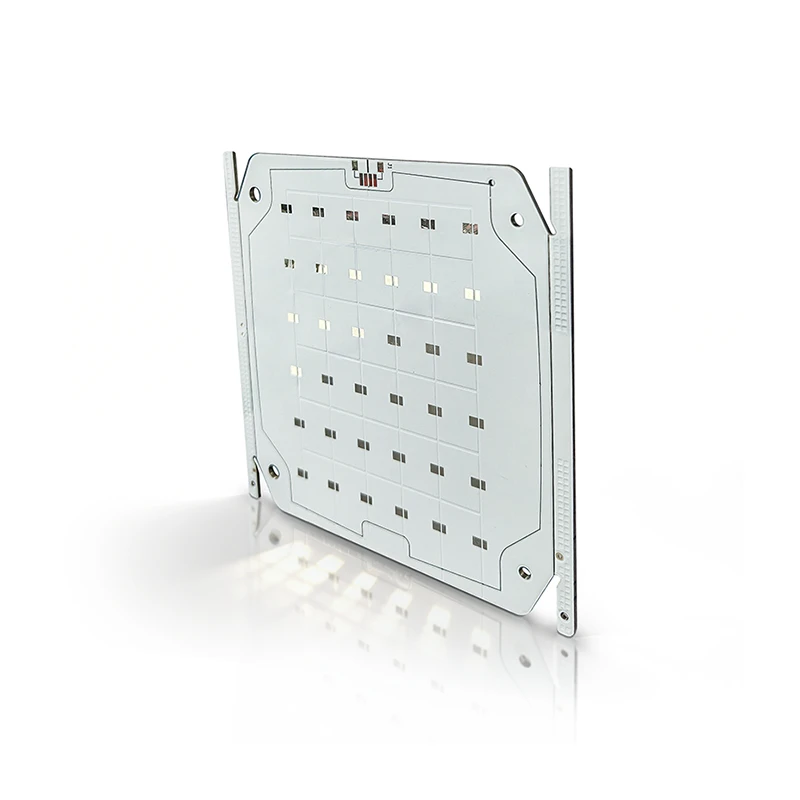
Solder joint failure can occur when the solder joint is not properly formed or when it is exposed to high temperatures or mechanical stress. This can cause the solder joint to crack or break, which can lead to electrical failure. To prevent solder joint failure, it's important to use high-quality solder and to ensure that the solder joints are properly formed. Additionally, it's important to design the MCPCB with proper mechanical support to prevent mechanical stress on the solder joints.
4. Component Failure
Component failure is another common failure mode of MCPCBs. Components on the PCB can fail due to a variety of factors, including overheating, electrical stress, and manufacturing defects. Component failure can cause the MCPCB to malfunction or to stop working altogether.
To prevent component failure, it's important to use high-quality components and to ensure that they are properly installed on the PCB. Additionally, it's important to design the MCPCB with proper thermal management and electrical protection to prevent overheating and electrical stress on the components.
5. Delamination
Delamination is a failure mode that occurs when the layers of the MCPCB separate from each other. This can be caused by a variety of factors, including thermal cycling, moisture ingress, and mechanical stress. Delamination can affect the board's electrical performance and can lead to short circuits or other issues.
To prevent delamination, it's important to use high-quality materials and to ensure that the PCB is properly manufactured. Additionally, it's important to design the MCPCB with proper mechanical support to prevent mechanical stress on the board's layers.
How to Prevent MCPCB Failures
Preventing MCPCB failures requires a combination of proper design, manufacturing, and testing. Here are some tips to help prevent MCPCB failures:
- Design for Thermal Management: Use high-quality materials with good thermal conductivity, such as aluminum or copper, and ensure that the board has adequate heat sinks or cooling mechanisms.
- Use Protective Coatings: Apply a protective coating to the MCPCB to prevent moisture ingress and to protect the board's components from environmental factors.
- Use High-Quality Components: Use high-quality components and ensure that they are properly installed on the PCB.
- Test the MCPCB: Test the MCPCB under different temperature and environmental conditions to ensure that it can withstand thermal cycling and other stress factors.
- Follow Manufacturing Best Practices: Follow manufacturing best practices to ensure that the MCPCB is properly manufactured and that the components are properly installed.
Conclusion
As a supplier of MCPCBs, I understand the importance of providing high-quality products that are reliable and durable. By understanding the common failure modes of MCPCBs and taking steps to prevent them, you can ensure that your MCPCBs perform well and last for a long time. If you have any questions about MCPCBs or if you're interested in purchasing MCPCBs, please contact us. We'd be happy to help you find the right solution for your needs.
If you're looking for high-quality Aluminum PCBs, you can visit our website at Aluminum PCB to learn more about our products and services.
References
- "Metal Core Printed Circuit Boards: Design, Manufacturing, and Applications" by John Doe
- "Thermal Management in Electronic Systems" by Jane Smith
- "PCB Design and Manufacturing Handbook" by Bob Johnson


