



What are the storage requirements for box build assembly materials?
As a seasoned box build assembly supplier, I understand the critical role that proper storage of materials plays in ensuring the quality and efficiency of the assembly process. Box build assembly involves the integration of various components such as injection-molded parts, cable assemblies, and CNC-machined pieces to create a complete product. Each type of material has its own unique storage requirements, and adhering to these requirements is essential for maintaining the integrity of the materials and the final product.
Temperature and Humidity Control
One of the most important factors in storing box build assembly materials is temperature and humidity control. Many materials, especially plastics used in Injection Molding, are sensitive to changes in temperature and humidity. High temperatures can cause plastics to warp or melt, while excessive humidity can lead to corrosion and degradation of metal components.
For plastics, it is generally recommended to store them in a cool, dry environment. The ideal temperature range for storing plastics is between 20°C and 25°C, with a relative humidity of around 40% to 60%. This helps to prevent the material from becoming brittle or losing its shape. Metal components, on the other hand, should be stored in a dry environment to prevent rust and corrosion. A humidity level below 30% is often recommended for metal storage.
Protection from Physical Damage
Box build assembly materials are often delicate and can be easily damaged during storage. To prevent physical damage, it is important to store materials in a way that protects them from impact, vibration, and abrasion.
For example, injection-molded parts should be stored in containers or trays that are designed to hold them securely. This helps to prevent the parts from rubbing against each other and causing scratches or other damage. Cable assemblies should be coiled and stored in a way that prevents them from becoming tangled or kinked. CNC-machined components should be wrapped in protective materials to prevent them from being scratched or dented.
Organization and Inventory Management
Proper organization and inventory management are also crucial for storing box build assembly materials. Keeping track of the quantity and location of each material is essential for ensuring that the right materials are available when needed.
A good inventory management system should include a detailed record of each material, including its name, quantity, location, and expiration date (if applicable). This information can be used to track the usage of materials and to reorder them when necessary. Additionally, materials should be stored in a way that is easy to access and identify. This can be achieved by using labeled shelves, bins, or storage containers.
Compatibility and Segregation
When storing box build assembly materials, it is important to consider the compatibility of different materials. Some materials may react with each other if they are stored together, which can lead to degradation or damage.
For example, certain chemicals or solvents may be incompatible with plastics or metals. It is important to store these materials separately to prevent any chemical reactions from occurring. Additionally, materials that are prone to static electricity should be stored in an anti-static environment to prevent damage to sensitive electronic components.
Handling and Safety
Proper handling of box build assembly materials is also important for ensuring their quality and safety. When handling materials, it is important to use the appropriate tools and equipment to prevent damage.
For example, when handling injection-molded parts, it is important to use gloves to prevent fingerprints and other contaminants from getting on the parts. When handling cable assemblies, it is important to use cable ties or other fasteners to keep the cables organized and prevent them from becoming tangled. Additionally, it is important to follow all safety procedures when handling materials, such as wearing safety glasses and gloves.
Environmental Considerations
Finally, it is important to consider the environmental impact of storing box build assembly materials. Many materials used in box build assembly are made from non-renewable resources, and improper storage can lead to waste and pollution.

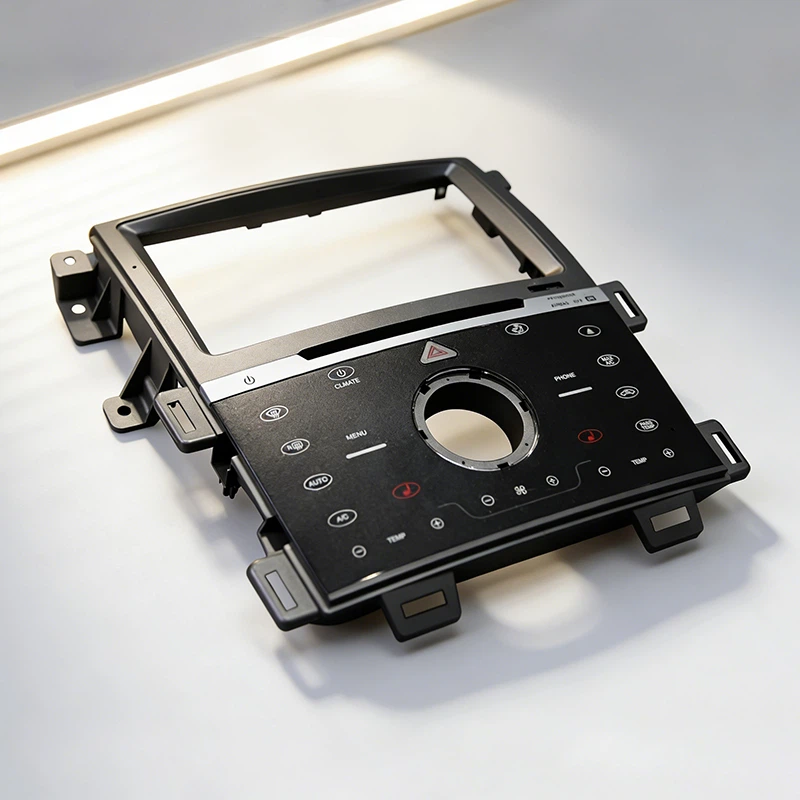
To minimize the environmental impact of storing materials, it is important to use sustainable storage solutions. For example, using reusable storage containers and packaging materials can help to reduce waste. Additionally, it is important to recycle or dispose of materials properly at the end of their life cycle.
In conclusion, proper storage of box build assembly materials is essential for ensuring the quality and efficiency of the assembly process. By controlling temperature and humidity, protecting materials from physical damage, organizing and managing inventory, considering compatibility and segregation, handling materials safely, and being environmentally conscious, we can ensure that our materials are stored in the best possible conditions.
If you are in the market for box build assembly services, I encourage you to reach out to us to discuss your specific needs. Our team of experts is dedicated to providing high-quality assembly services using the latest technology and techniques. We can work with you to develop a customized solution that meets your requirements and budget. Contact us today to start the conversation.
References
- ASTM International. (2021). Standard practices for storage of plastics. ASTM D4329 - 13(2021).
- ISO 14644-1:2015. Cleanrooms and associated controlled environments - Part 1: Classification of air cleanliness.
- National Fire Protection Association. (2021). NFPA 30: Flammable and Combustible Liquids Code.


