


Hey there! As a supplier of MCPCB (Metal Core Printed Circuit Board), I've seen firsthand how mechanical stress can throw a wrench in the works. So, let's dig into what impact mechanical stress has on MCPCB.
Understanding MCPCB
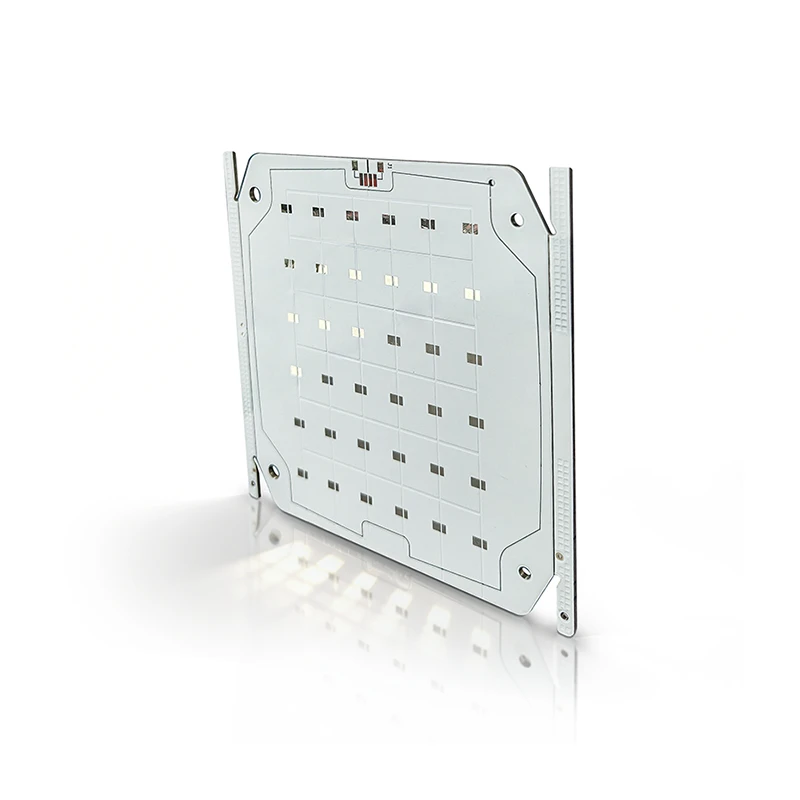
First off, for those who aren't super familiar, MCPCBs are a type of printed circuit board that has a metal base, usually aluminum. They're great for applications where heat dissipation is a big deal, like in LED lighting, power supplies, and automotive electronics. The metal core helps to transfer heat away from the components, keeping everything running smoothly. You can learn more about Aluminum PCB on our website.
What is Mechanical Stress?
Mechanical stress is basically the force that's applied to an object. In the case of MCPCBs, this can come from a bunch of different sources. For example, during the manufacturing process, there might be stress from drilling holes, cutting the board, or soldering components. In the real - world applications, vibrations, impacts, and thermal expansion and contraction can also cause mechanical stress.
Impact on Electrical Performance
One of the major impacts of mechanical stress on MCPCB is on its electrical performance. When stress is applied, it can cause the traces on the board to crack or break. These traces are like the roads that the electricity travels on, so if they're damaged, the electrical signals can't flow properly. This can lead to short circuits, open circuits, or intermittent connections.
Imagine you're driving on a road that has a big crack in it. Your car might have a hard time getting through, and it could even break down. The same thing happens with the electrical signals on an MCPCB. If the traces are damaged, the components on the board might not work as they're supposed to. This can result in malfunctions, reduced performance, or even complete failure of the device.
Impact on Thermal Performance
Another important aspect is the thermal performance. MCPCBs are designed to dissipate heat effectively, but mechanical stress can mess that up. When the board is under stress, it can cause the layers of the board to delaminate. Delamination is like when the layers of a sandwich start to come apart.
The metal core of the MCPCB is crucial for heat transfer. If the layers separate, the heat can't be transferred as efficiently from the components to the metal core and then out of the board. This can lead to overheating, which can damage the components and reduce the lifespan of the device. For example, in an LED light, overheating can cause the light to dim or even burn out prematurely.
Impact on Structural Integrity
Mechanical stress can also have a big impact on the structural integrity of the MCPCB. If the stress is too high, it can cause the board to warp or bend. A warped board can be a real headache because it might not fit properly into the device it's supposed to go in.
In addition, the components on the board might not be able to make proper contact with the traces if the board is warped. This can lead to more electrical problems. And if the board is bent too much, it can crack, which is a major issue. A cracked board is basically useless and needs to be replaced.
How to Mitigate the Impact of Mechanical Stress
As a supplier, we've learned a few things about how to deal with mechanical stress. One way is to use high - quality materials. The better the materials, the more resistant the MCPCB will be to stress. For example, using a high - grade aluminum core can help the board withstand more stress.
Another thing we do is optimize the design. We make sure that the traces are thick enough and that there are enough vias to help with heat transfer. We also try to avoid sharp corners in the design, as these can be points of stress concentration.
During the manufacturing process, we use proper handling techniques. We make sure that the boards aren't dropped or banged around, and we use fixtures to hold the boards in place during drilling and soldering.
Real - World Examples
Let's look at a real - world example. We had a customer who was using our MCPCBs in a high - vibration environment, like in a heavy - duty machinery. They were experiencing a lot of failures due to mechanical stress. The vibrations were causing the traces on the board to crack, which led to electrical problems.
We worked with the customer to come up with a solution. We used a thicker aluminum core and added some extra reinforcement to the board. We also adjusted the design to reduce stress concentration. After these changes, the failure rate dropped significantly, and the customer was very happy.
Conclusion
So, as you can see, mechanical stress can have a pretty big impact on MCPCBs. It can affect the electrical performance, thermal performance, and structural integrity of the board. But by using high - quality materials, optimizing the design, and using proper manufacturing techniques, we can mitigate these impacts.
If you're in the market for MCPCBs and want to learn more about how we can help you deal with mechanical stress, or if you have any other questions, feel free to reach out. We're always happy to have a chat and see how we can meet your needs.
References
- Some research papers on the effects of mechanical stress on printed circuit boards.
- Industry reports on the performance of MCPCBs in different environments.


