



Alright, folks! As a supplier in the DIP (Dual In-line Package) Assembly business, I've seen firsthand how crucial component placement is in this process. Let's dive right into why it's so important.
First off, let's talk about what DIP Assembly actually is. DIP Assembly involves inserting electronic components into holes on a printed circuit board (PCB) and then soldering them in place. This method has been around for ages and is still widely used today, especially for components that require a more robust connection or for applications where surface - mount technology might not be suitable.
Now, the importance of component placement in DIP Assembly starts with the functionality of the PCB. When components are placed correctly, they can communicate with each other effectively. Each component in a circuit has a specific role, and if they're not placed in the right spots, the entire circuit can malfunction. For example, if a resistor is placed too far from the component it's supposed to regulate, the electrical signals might get distorted, leading to inaccurate readings or even complete failure of the device.
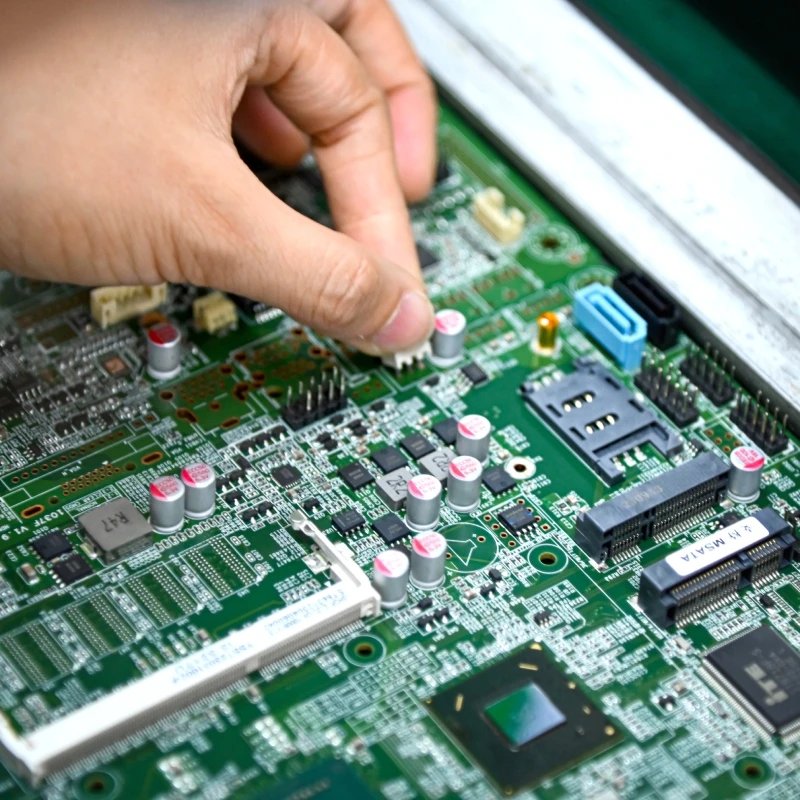
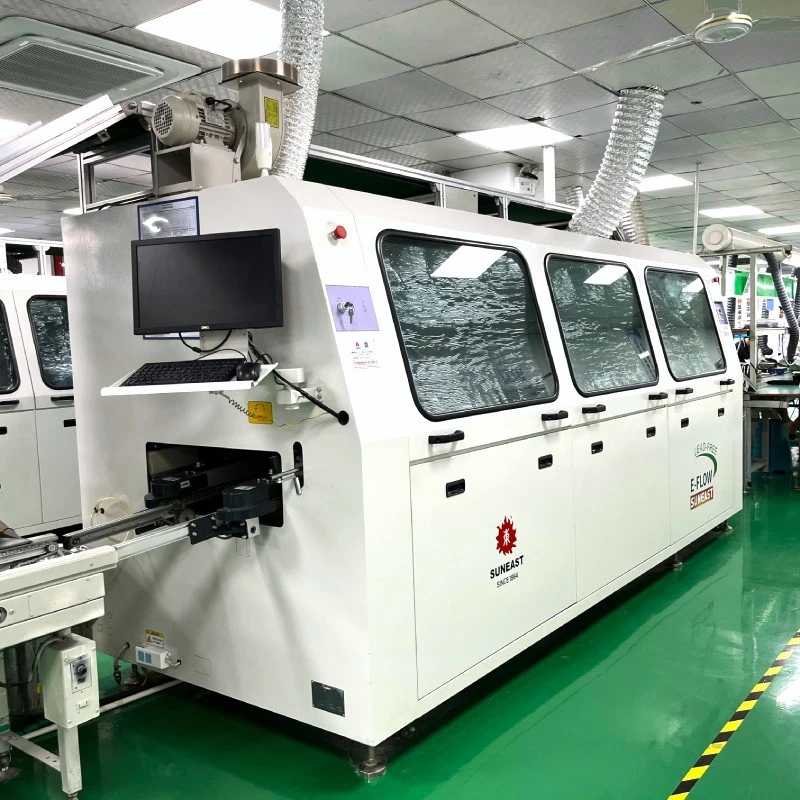
Another key aspect is the ease of manufacturing. Proper component placement can streamline the assembly process. When components are arranged in a logical order, it's easier for the assembly workers to pick and place them on the PCB. This reduces the time spent on each board and increases the overall production efficiency. For instance, if all the small components are grouped together, workers can quickly grab them one by one and insert them into the appropriate holes. This not only speeds up the assembly but also reduces the chances of errors.
Heat dissipation is also a major factor. Some components generate a significant amount of heat during operation. If these components are placed too close together, the heat can build up, which may damage the components or reduce their lifespan. By placing heat - generating components in areas with good ventilation or near heat sinks, we can ensure that the heat is dissipated effectively. This is crucial for the long - term reliability of the PCB.
Let's take a look at some of the assembly methods we use in DIP Assembly and how component placement affects them.
Manual Through Hole Assembly
Manual Through Hole Assembly is a hands - on approach where workers manually insert components into the PCB holes. In this method, proper component placement is essential. Workers need to be able to easily access each component and insert it accurately. If the components are placed in a haphazard way, it can be difficult for the workers to reach them, which slows down the assembly process. You can learn more about Manual Through Hole Assembly.
Selective Soldering
Selective Soldering is a process where only specific areas of the PCB are soldered. Component placement plays a big role here. If the components are not placed correctly, it can be challenging to target the right areas for soldering. For example, if a component is too close to another one, the soldering process might accidentally solder the wrong connections. To find out more about Selective Soldering, click the link.
Wave Soldering
Wave Soldering involves passing the PCB over a wave of molten solder. The placement of components affects how well the solder adheres to the components. If components are placed too close together, the solder might bridge between them, causing short circuits. On the other hand, if they're placed too far apart, the solder might not reach all the necessary connections. Check out Wave Soldering for more details.
In addition to these technical aspects, component placement also has an impact on the cost of production. When components are placed optimally, we can use the PCB space more efficiently. This means we can fit more components on a single board, reducing the number of PCBs needed for a given project. As a result, the cost of materials and manufacturing goes down.
Moreover, proper component placement can enhance the aesthetics of the PCB. A well - organized PCB looks professional and is easier to inspect for quality control. It also makes it easier for technicians to troubleshoot any issues that may arise in the future.
Now, if you're in the market for DIP Assembly services, you want a supplier who understands the importance of component placement. At our company, we have a team of experienced engineers and technicians who are experts in component placement. We use advanced software and techniques to ensure that every component is placed in the right position for optimal performance.
Whether you're working on a small - scale project or a large - scale production run, we can provide high - quality DIP Assembly services. We'll work closely with you to understand your requirements and ensure that your PCBs are assembled to the highest standards.
If you're interested in learning more about our DIP Assembly services or want to discuss your project, feel free to reach out to us. We're always happy to have a chat and see how we can help you with your electronic assembly needs.
References
- "Fundamentals of Printed Circuit Board Design" by John Grob
- "Electronics Manufacturing Technology" by Paul T. Rankin


