



In the realm of industrial control systems, Surface Mount Technology (SMT) assembly stands as a cornerstone of modern manufacturing. As a dedicated SMT assembly supplier, I've witnessed firsthand the transformative impact of this technology on industrial control systems. In this blog, we'll explore what SMT assembly is, its significance in industrial control systems, and how it benefits various industries.

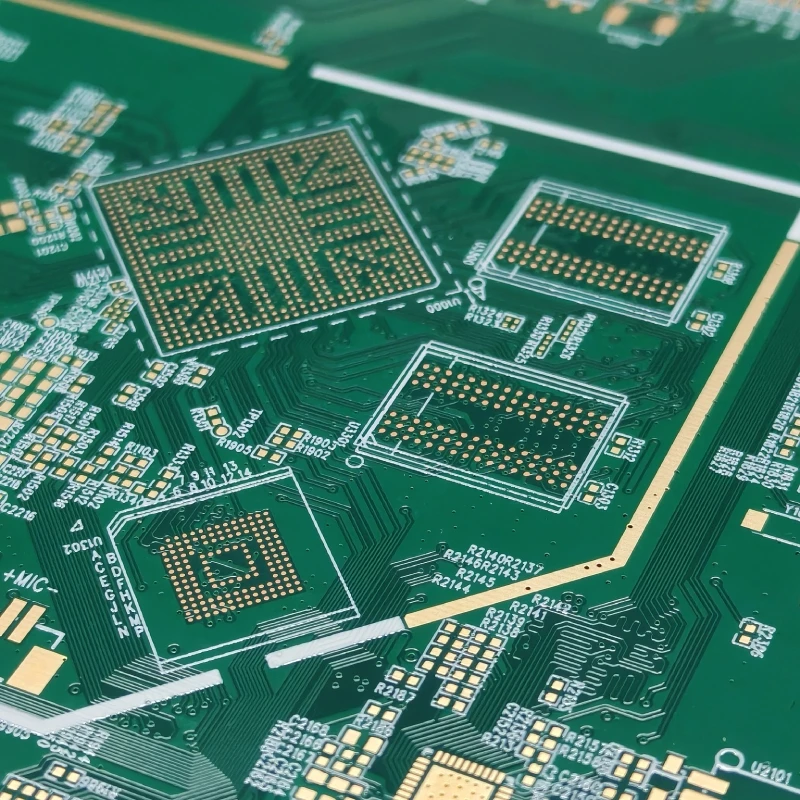
Understanding SMT Assembly
SMT assembly is a method of mounting electronic components directly onto the surface of a printed circuit board (PCB). Unlike through - hole technology, where components are inserted into holes drilled in the PCB, SMT components are placed on the surface using automated machinery. This process involves several key steps:
-
Solder Paste Application: The first step in SMT assembly is applying solder paste to the PCB. Solder paste is a mixture of tiny solder particles and flux. It is typically applied using a stencil, which is a thin metal or polymer sheet with holes corresponding to the locations where the components will be placed. For more information on SMT stencil design, you can visit SMT Stencil Design.
-
Component Placement: After the solder paste is applied, the components are placed on the PCB using pick - and - place machines. These machines are highly precise and can place components with a high degree of accuracy. They can handle a wide range of component sizes, from very small surface - mount devices (SMDs) to larger integrated circuits.
-
Reflow Soldering: Once the components are placed, the PCB is passed through a reflow oven. The oven heats the PCB to a specific temperature, causing the solder paste to melt and form a permanent electrical connection between the components and the PCB. This process requires careful control of temperature and time to ensure proper soldering.
Significance of SMT Assembly in Industrial Control Systems
Industrial control systems are used in a wide range of applications, including manufacturing, power generation, and transportation. SMT assembly offers several advantages that make it particularly well - suited for these systems:
-
Miniaturization: SMT components are much smaller than their through - hole counterparts. This allows for the design of more compact and lightweight industrial control systems. In applications where space is limited, such as in embedded systems or portable devices, SMT assembly enables the development of smaller and more efficient products.
-
High - Speed Production: The automated nature of SMT assembly allows for high - speed production. Pick - and - place machines can place components at a much faster rate than manual assembly methods. This is crucial in industrial settings where large volumes of products need to be manufactured quickly.
-
Improved Electrical Performance: SMT components have shorter electrical connections, which reduces signal interference and improves the overall electrical performance of the circuit. This is especially important in industrial control systems, where reliable and accurate signal transmission is essential.
-
Cost - Effectiveness: Although the initial investment in SMT assembly equipment can be high, the long - term cost savings are significant. The high - speed production and reduced labor requirements result in lower production costs per unit. Additionally, the smaller size of SMT components can lead to savings in materials and packaging.
Applications of SMT Assembly in Industrial Control Systems
SMT assembly is used in a variety of industrial control system applications:
-
Automation and Robotics: In industrial automation, SMT - assembled PCBs are used in control panels, sensors, and actuators. These components are essential for the operation of robotic systems, conveyor belts, and other automated machinery.
-
Power Management: SMT components are used in power supplies and voltage regulators for industrial control systems. They help to ensure stable and efficient power delivery, which is crucial for the proper functioning of the entire system.
-
Communication Systems: Industrial control systems often require communication between different components and devices. SMT - assembled PCBs are used in communication modules, such as Ethernet interfaces, wireless transceivers, and serial communication ports.
-
Monitoring and Control: SMT - based sensors and controllers are used to monitor and control various parameters in industrial processes, such as temperature, pressure, and flow. These devices provide real - time data and allow for precise control of the industrial process.
Challenges and Solutions in SMT Assembly for Industrial Control Systems
While SMT assembly offers many benefits, it also presents some challenges, especially in the context of industrial control systems:
-
Component Reliability: Industrial control systems often operate in harsh environments, such as high temperatures, humidity, and vibration. Ensuring the reliability of SMT components in these conditions is crucial. This can be achieved through proper component selection, testing, and encapsulation.
-
Fine - Pitch Components: As the demand for smaller and more complex industrial control systems increases, the use of fine - pitch SMT components is becoming more common. These components require more precise assembly techniques and higher - resolution stencil designs. For more information on fine - pitch SMT, you can visit Fine Pitch SMT.
-
Quality Control: Maintaining high - quality standards in SMT assembly is essential for the proper functioning of industrial control systems. This requires strict quality control measures, including in - line inspection, automated optical inspection (AOI), and X - ray inspection.
Our Role as an SMT Assembly Supplier
As an SMT assembly supplier, we are committed to providing high - quality SMT assembly services for industrial control systems. We have state - of - the - art equipment and a team of experienced engineers who can handle a wide range of SMT assembly requirements.
-
Customized Solutions: We understand that each industrial control system has unique requirements. That's why we offer customized SMT assembly solutions tailored to the specific needs of our customers. Whether it's a small - scale prototype or a large - volume production run, we can provide the right solution.
-
Quality Assurance: We have a comprehensive quality control system in place to ensure that every SMT - assembled PCB meets the highest standards. Our quality control measures include pre - assembly inspection, in - line monitoring, and post - assembly testing.
-
Technical Support: Our team of engineers is available to provide technical support throughout the SMT assembly process. We can assist with component selection, stencil design, and process optimization to ensure the best possible results.
Conclusion
SMT assembly plays a vital role in industrial control systems, offering numerous benefits such as miniaturization, high - speed production, improved electrical performance, and cost - effectiveness. As an SMT assembly supplier, we are dedicated to providing high - quality solutions for industrial control systems. If you are in need of SMT assembly services for your industrial control system, we invite you to contact us for a consultation. We look forward to working with you to meet your specific requirements.
References
- "Surface Mount Technology: Principles and Practice" by C. P. Wong
- "Industrial Control Systems: Design, Implementation, and Maintenance" by John Doe


