


What is the support for component testing in partial turnkey PCB assembly?
In the dynamic world of electronics manufacturing, Partial Turnkey PCB Assembly has emerged as a popular and flexible solution for many companies. As a provider of Partial Turnkey PCB Assembly, we understand the critical role that component testing plays in ensuring the quality and reliability of the final PCB products.
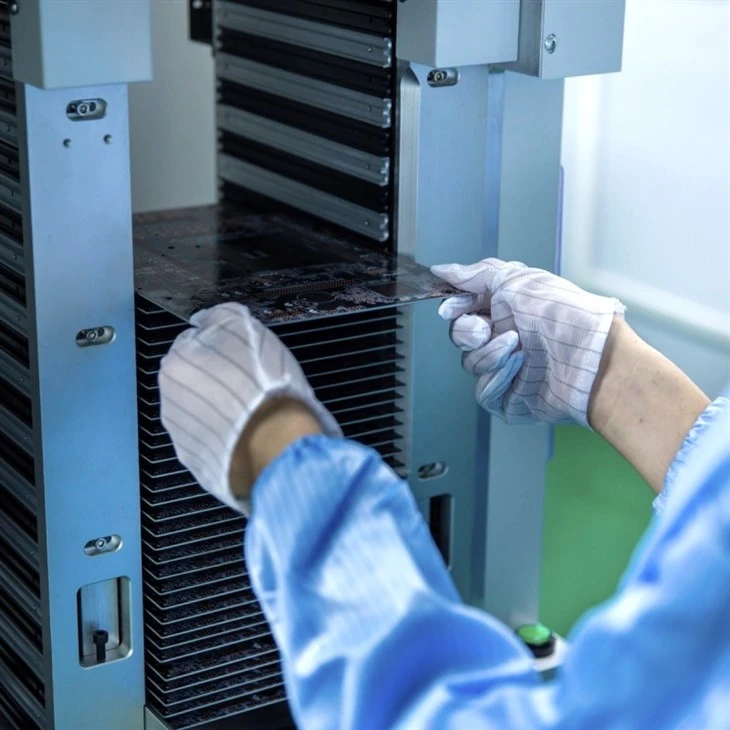

Understanding Partial Turnkey PCB Assembly
Partial Turnkey PCB Assembly is a middle - ground approach between full - service Turnkey PCB Assembly and basic PCB assembly. In this model, the customer may provide some of the components, while the assembly provider takes care of sourcing the remaining parts, assembling the PCB, and performing necessary testing. This allows customers to have more control over certain aspects of the project, such as using specific components they prefer, while leveraging the expertise of the assembly provider for other tasks.
Importance of Component Testing
Component testing is an essential step in the PCB assembly process. It helps to identify any defective components before they are integrated into the PCB, which can save time, money, and resources in the long run. Defective components can lead to product failures, increased production costs due to rework, and potential damage to the reputation of the product and the company.
Types of Component Testing
- Visual Inspection: This is the most basic form of component testing. It involves visually examining the components for any physical damage, such as cracks, bent leads, or incorrect markings. Visual inspection can be done manually or with the help of automated optical inspection (AOI) systems. AOI systems use cameras and image - processing algorithms to quickly and accurately detect any visual defects on the components.
- Electrical Testing: Electrical testing is used to verify the electrical characteristics of the components. This includes testing for parameters such as resistance, capacitance, inductance, and voltage. There are several methods for electrical testing, such as in - circuit testing (ICT) and functional testing. ICT involves connecting the component to a test fixture and measuring its electrical properties. Functional testing, on the other hand, tests the component in a more real - world scenario by simulating its intended function.
- Environmental Testing: Components may be exposed to various environmental conditions during their use, such as temperature, humidity, and vibration. Environmental testing is used to ensure that the components can withstand these conditions without failing. For example, thermal cycling tests can be used to simulate the temperature changes that a component may experience during its operation.
Support for Component Testing in Partial Turnkey PCB Assembly
As a Partial Turnkey PCB Assembly provider, we offer comprehensive support for component testing.
Sourcing Reliable Components
One of the key aspects of ensuring the quality of component testing is sourcing reliable components. We have established relationships with trusted component suppliers, which allows us to source high - quality components for our customers. Our suppliers are carefully vetted to ensure that they meet our strict quality standards. Before using any components in the assembly process, we perform an initial inspection to check for any obvious defects.
Advanced Testing Equipment
We are equipped with state - of - the - art testing equipment to perform accurate and efficient component testing. Our AOI systems can quickly scan components for visual defects, and our ICT and functional testing equipment can accurately measure the electrical properties of the components. Our environmental testing chambers allow us to simulate various environmental conditions to test the components' durability.
Skilled Testing Personnel
Our team of testing personnel is highly skilled and experienced in component testing. They are trained to use the latest testing equipment and techniques to ensure that all components meet the required quality standards. Our testing personnel also keep up - to - date with the latest industry trends and best practices in component testing.
Customized Testing Plans
We understand that different customers may have different requirements for component testing. Therefore, we offer customized testing plans based on the specific needs of each project. For example, if a customer is using components in a high - reliability application, we may perform more rigorous testing, such as extended environmental testing.
Comparison with Other Assembly Models
Compared to Quick - turn PCB Assembly, Partial Turnkey PCB Assembly offers more flexibility in terms of component sourcing and testing. In Quick - turn PCB Assembly, the focus is on fast turnaround times, which may sometimes lead to less comprehensive component testing. In contrast, Partial Turnkey PCB Assembly allows for more in - depth testing and customization, which can result in higher - quality products.
Case Studies
Let's take a look at a few case studies to illustrate the importance of component testing in Partial Turnkey PCB Assembly.
Case Study 1: A customer in the medical device industry required a PCB for a critical monitoring device. We performed extensive component testing, including visual inspection, electrical testing, and environmental testing. During the testing process, we discovered a defective capacitor that could have caused the device to malfunction. By replacing the defective component before assembly, we were able to ensure the reliability of the final product.
Case Study 2: A customer in the automotive industry needed a PCB for a new vehicle control system. We worked closely with the customer to develop a customized testing plan. Through comprehensive component testing, we were able to identify and address potential issues early in the process, which saved the customer time and money in the long run.
Conclusion
In conclusion, component testing is a crucial part of the Partial Turnkey PCB Assembly process. As a provider of Partial Turnkey PCB Assembly, we are committed to providing high - quality component testing services to ensure the reliability and performance of our customers' PCB products. Our support for component testing includes sourcing reliable components, using advanced testing equipment, having skilled testing personnel, and offering customized testing plans.
If you are interested in our Partial Turnkey PCB Assembly services and would like to discuss your specific requirements, we invite you to reach out to us for a detailed consultation. We look forward to working with you to meet your PCB assembly needs.
References
- IPC - A - 610: Acceptability of Electronic Assemblies.
- J - STD - 001: Requirements for Soldered Electrical and Electronic Assemblies.
- IEEE Standards for Electronic Component Testing.


