


Hey there! As a supplier of Selective Soldering, I've seen firsthand the importance of meeting soldering standards in this process. In this blog, I'll share some tips and insights on how to achieve those high - quality soldering results in selective soldering.
First off, let's understand what selective soldering is. Selective soldering is a process used in PCB (Printed Circuit Board) assembly to solder specific components on a board. It's a great alternative to other methods like Wave Soldering and Manual Through Hole Assembly. Unlike wave soldering, which floods the entire board with solder, selective soldering allows for precise soldering of individual components or areas. And compared to manual through - hole assembly, it's more efficient and consistent.
Understanding the Soldering Standards
Before we dive into how to meet the standards, we need to know what those standards are. The main aspects of soldering standards usually include solder joint appearance, mechanical strength, and electrical conductivity.
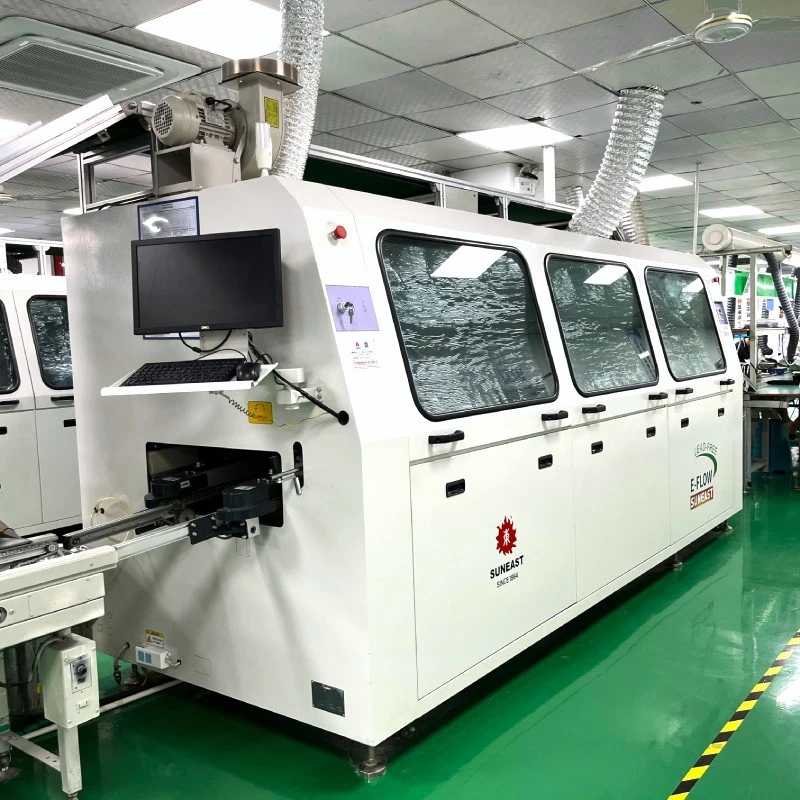

A good solder joint should have a smooth, shiny surface. There should be no signs of excess solder, such as icicles or bridges between pins. The solder should wet the component leads and the PCB pads evenly. In terms of mechanical strength, the joint should be able to withstand normal handling and vibrations without breaking. And for electrical conductivity, the joint should provide a reliable connection with low resistance.
Pre - soldering Preparation
Proper pre - soldering preparation is crucial for meeting soldering standards. First, the PCB and components need to be clean. Any dirt, grease, or oxidation on the surfaces can prevent the solder from wetting properly. We usually use a cleaning process like flux application to remove these contaminants. Flux helps to clean the surfaces, reduce oxidation, and improve the wetting of the solder.
The components also need to be properly placed on the PCB. Make sure they are aligned correctly and seated firmly in their positions. Incorrect placement can lead to poor solder joints, such as insufficient solder coverage or misaligned leads.
Selecting the Right Solder and Flux
The choice of solder and flux is another important factor. The solder alloy should have the right melting point and properties for the specific application. For example, some applications may require a lead - free solder due to environmental regulations.
Flux comes in different types, such as rosin - based and water - soluble fluxes. Rosin - based fluxes are good for general soldering and provide good protection against oxidation. Water - soluble fluxes, on the other hand, are easier to clean after soldering. You need to choose the flux that suits your soldering process and the requirements of the PCB.
Controlling the Soldering Parameters
Controlling the soldering parameters is key to achieving high - quality solder joints. The main parameters include temperature, time, and solder volume.
The soldering temperature should be carefully controlled. If the temperature is too low, the solder may not melt properly, resulting in a cold solder joint. A cold solder joint has poor mechanical strength and electrical conductivity. On the other hand, if the temperature is too high, it can damage the components or the PCB.
The soldering time also matters. If the soldering time is too short, the solder may not have enough time to wet the surfaces properly. If it's too long, it can cause overheating and damage.
The amount of solder used is also critical. Too little solder can result in a weak joint, while too much solder can cause bridges between pins.
Using the Right Selective Soldering Equipment
As a selective soldering supplier, I know that having the right equipment is essential. A good selective soldering machine should be able to precisely control the soldering parameters. It should have features like programmable nozzles to apply the solder exactly where it's needed.
The machine should also be able to handle different types of PCBs and components. For example, it should be able to adjust the soldering process for different component sizes and densities.
Inspection and Quality Control
After soldering, it's important to inspect the solder joints. You can use visual inspection to check for obvious defects like bridges, icicles, or insufficient solder. You can also use more advanced techniques like X - ray inspection to check for internal defects, such as voids in the solder joints.
Quality control should be an ongoing process. You should set up a system to monitor the soldering process regularly and make adjustments as needed. This can help you catch any issues early and ensure that all the solder joints meet the standards.
Training and Skill Development
The operators who perform the selective soldering also play a crucial role. They need to be properly trained on the soldering process, the equipment, and the soldering standards. Training can include theoretical knowledge as well as hands - on practice.
Continuous skill development is also important. As new technologies and materials are introduced, the operators need to keep up with the changes and learn how to use them effectively.
Troubleshooting Common Issues
Even with the best preparation and equipment, you may still encounter some common soldering issues. For example, if you notice cold solder joints, you may need to increase the soldering temperature or time. If there are bridges between pins, you may need to adjust the solder volume or the soldering technique.
It's important to have a troubleshooting plan in place so that you can quickly identify and solve these issues.
Conclusion
Meeting the soldering standards in selective soldering is a combination of proper preparation, the right materials and equipment, and good quality control. By following these tips, you can ensure that your solder joints are of high quality, with good mechanical strength and electrical conductivity.
If you're in the market for selective soldering solutions and want to discuss how we can help you meet your soldering standards, feel free to reach out. We're here to assist you in achieving the best results for your PCB assembly needs.
References
- IPC - A - 610: Acceptability of Electronic Assemblies
- Soldering Handbook for Printed Circuit Boards


