


Wave soldering is a crucial process in the world of printed circuit board (PCB) assembly. As a Wave Soldering supplier, I've seen firsthand how this technique has revolutionized the electronics manufacturing industry. In this blog, I'll dive into what wave soldering is, how it works, its pros and cons, and how it compares to other soldering methods.
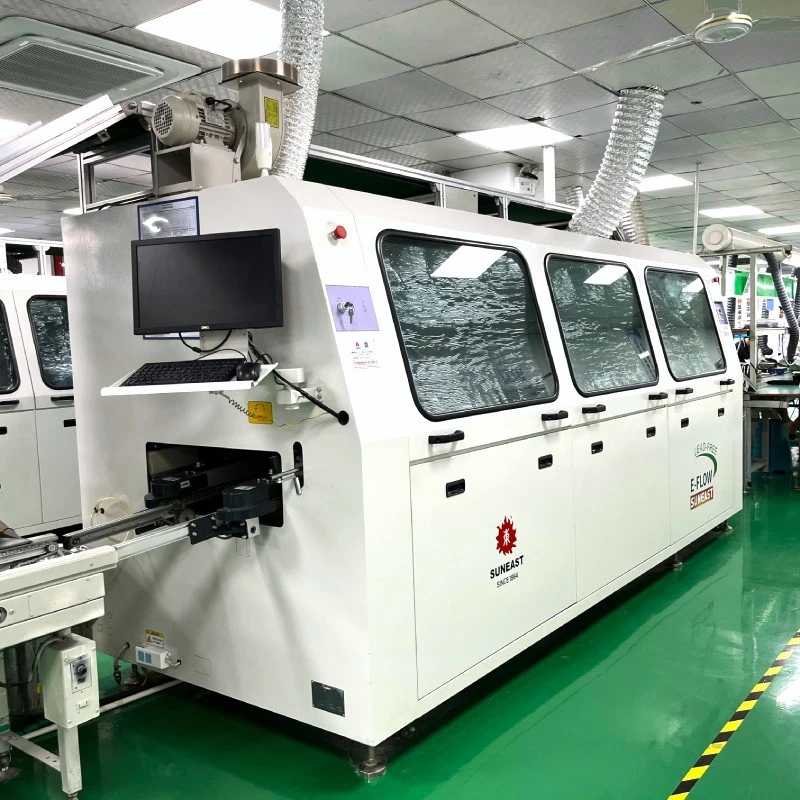
Let's start with the basics. Wave soldering is a mass soldering process used to join electronic components to a PCB. It's particularly useful for through-hole components, which have leads that pass through holes in the PCB. The process involves passing the PCB over a wave of molten solder, which adheres to the component leads and the PCB pads, creating a strong electrical connection.
So, how does wave soldering actually work? Well, it all starts with the preparation of the PCB. First, the PCB is loaded onto a conveyor belt, which moves it through the wave soldering machine. Before reaching the solder wave, the PCB passes through a flux application station. Flux is a chemical compound that helps to clean the metal surfaces of the PCB and the component leads, removing any oxidation or contaminants. This ensures a good solder joint by promoting wetting, which is the ability of the solder to spread and adhere to the surfaces.
Next, the PCB moves over the solder wave. The solder wave is created by a pump that forces molten solder up through a nozzle, forming a standing wave. As the PCB passes over the wave, the component leads are submerged in the molten solder, and the solder adheres to the leads and the PCB pads. The conveyor belt then moves the PCB away from the solder wave, and the solder cools and solidifies, creating a permanent electrical connection.
One of the main advantages of wave soldering is its efficiency. It's a high-speed process that can solder a large number of components in a relatively short amount of time. This makes it ideal for mass production, where large quantities of PCBs need to be assembled quickly. Wave soldering also provides consistent results, as the process is automated and can be precisely controlled. This ensures that each solder joint is of high quality and meets the required specifications.
Another advantage of wave soldering is its ability to handle a wide range of component types and sizes. It can solder both small and large components, as well as components with different lead pitches. This makes it a versatile soldering method that can be used in a variety of applications.
However, wave soldering also has some limitations. One of the main drawbacks is that it can cause thermal stress on the components and the PCB. The high temperatures involved in the soldering process can damage sensitive components, such as integrated circuits. To minimize this risk, it's important to use proper preheating and cooling techniques.
Another limitation of wave soldering is that it's not suitable for all types of components. Surface mount components, for example, are typically soldered using a different method, such as reflow soldering. Wave soldering is primarily designed for through-hole components, and it may not provide a reliable connection for surface mount components.
Now, let's compare wave soldering to other soldering methods. One alternative to wave soldering is Selective Soldering. Selective soldering is a more precise soldering method that allows for the soldering of specific components or areas on a PCB. It's often used for components that are sensitive to heat or for PCBs with complex layouts. Selective soldering can be more expensive than wave soldering, but it offers greater control and flexibility.
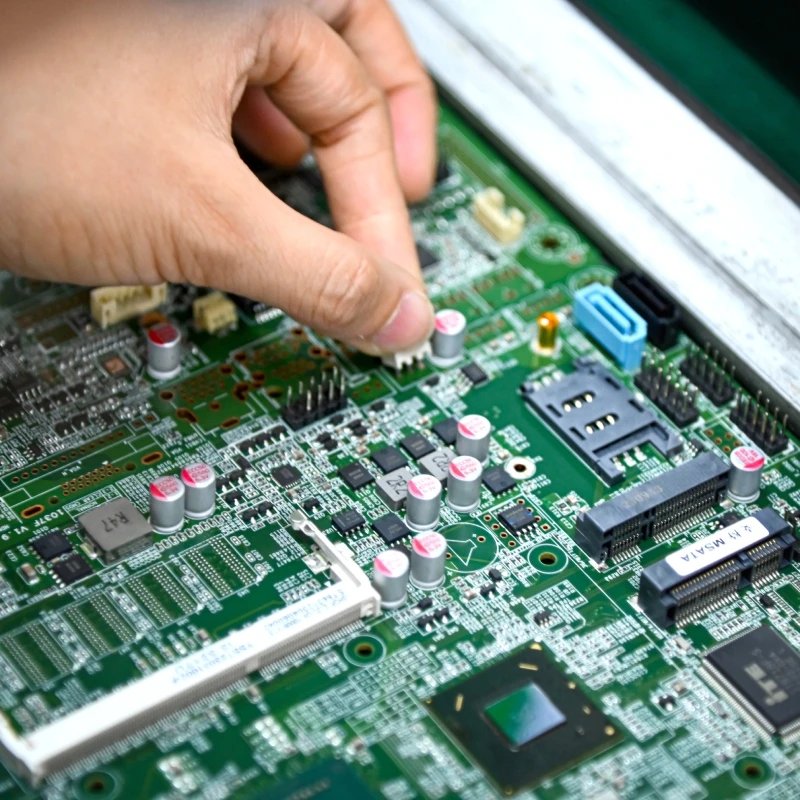
Another alternative is Manual Through Hole Assembly. As the name suggests, manual through hole assembly involves soldering components to a PCB by hand. This method is often used for small-scale production or for prototypes. Manual through hole assembly allows for greater control and precision, but it's also more time-consuming and labor-intensive.
In conclusion, wave soldering is a widely used and effective soldering method for through-hole components. It offers high efficiency, consistent results, and the ability to handle a wide range of component types and sizes. However, it also has some limitations, such as thermal stress and the inability to solder surface mount components. When choosing a soldering method, it's important to consider the specific requirements of your project, including the type of components, the production volume, and the budget.
If you're in the market for a reliable Wave Soldering solution, look no further. As a leading Wave Soldering supplier, we offer a range of high-quality wave soldering machines and services. Our team of experts can help you choose the right solution for your needs and provide you with the support and guidance you need to ensure a successful soldering process. Contact us today to discuss your requirements and get a quote.
References
- "Wave Soldering: A Comprehensive Guide." Electronics Manufacturing Services.
- "PCB Assembly: Through-Hole Technology." Printed Circuit Board Association.
- "Soldering Techniques for Electronics." IEEE Transactions on Components, Packaging, and Manufacturing Technology.


