


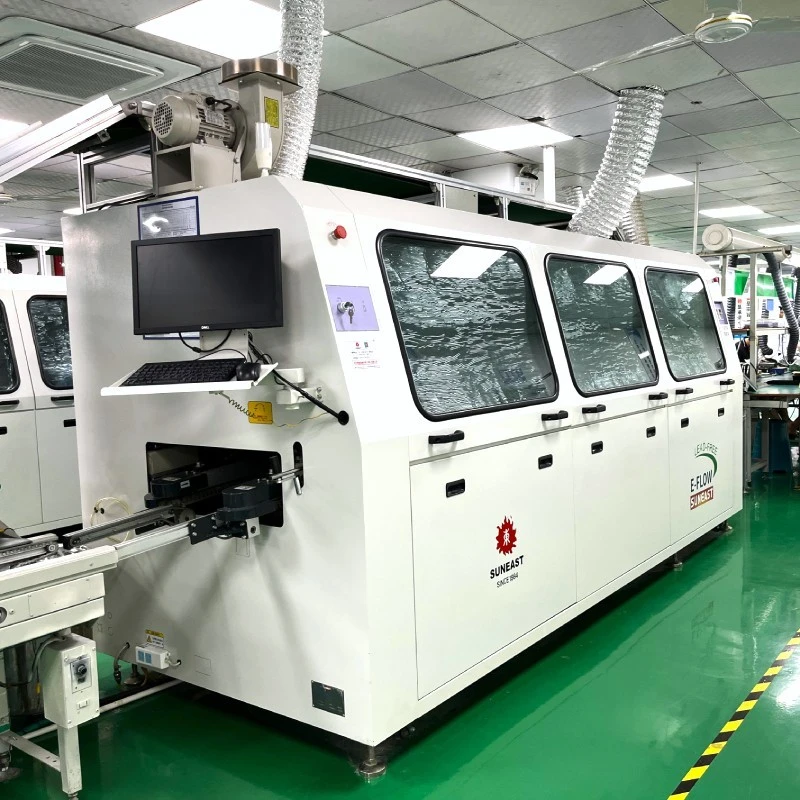
As a leading Wave Soldering supplier, I often get asked about the wave soldering capacity per hour. This is a crucial question for manufacturers, as it directly impacts production efficiency, cost, and overall output. In this blog post, I'll delve into the factors that influence wave soldering capacity, how to calculate it, and some tips to optimize it.
Factors Affecting Wave Soldering Capacity
1. PCB Size and Complexity
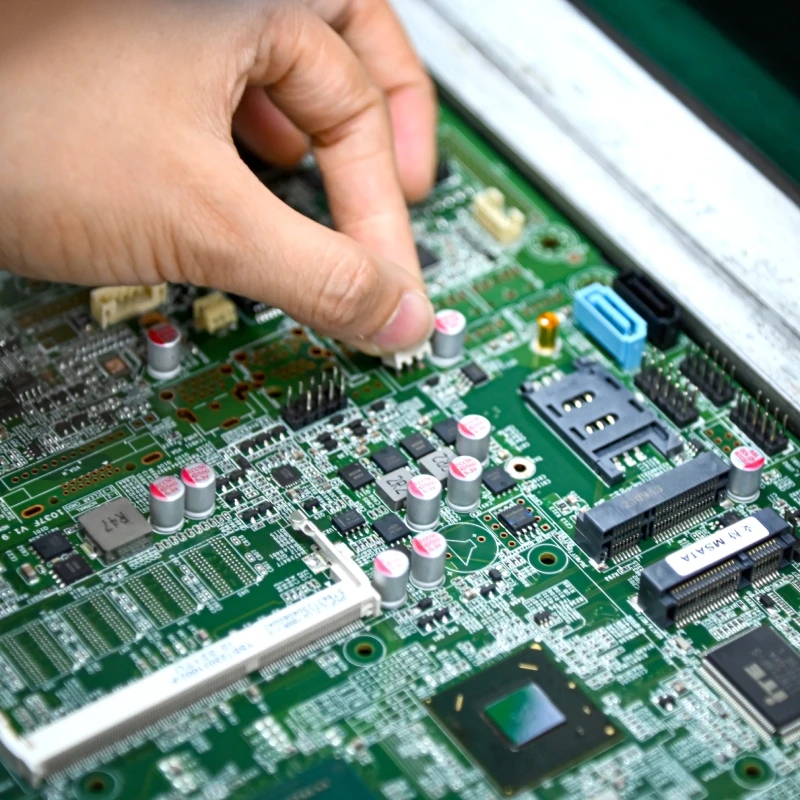
The size and complexity of the printed circuit board (PCB) play a significant role in determining the wave soldering capacity. Larger PCBs generally take longer to pass through the wave soldering machine, as they require more time for the solder wave to cover all the components. Similarly, complex PCBs with a high density of components or intricate designs may also slow down the soldering process. For example, a large PCB with multiple layers and a high component count may take several minutes to solder, while a smaller, simpler PCB can be soldered in a matter of seconds.
2. Conveyor Speed
The speed at which the conveyor belt moves the PCBs through the wave soldering machine is another important factor. A faster conveyor speed can increase the number of PCBs that can be soldered per hour, but it may also affect the quality of the solder joints. If the conveyor speed is too fast, the solder may not have enough time to properly wet the components, resulting in poor solder joints. On the other hand, if the conveyor speed is too slow, it can reduce the overall production capacity. Therefore, it's important to find the optimal conveyor speed that balances production efficiency and solder quality.
3. Solder Wave Characteristics
The characteristics of the solder wave, such as its height, width, and temperature, also affect the wave soldering capacity. A higher solder wave can cover a larger area of the PCB, reducing the time required for each pass. However, a very high solder wave can also cause splashing and other soldering defects. Similarly, a wider solder wave can increase the throughput, but it may also require more solder and energy. The temperature of the solder wave is also crucial, as it affects the melting and wetting properties of the solder. If the temperature is too low, the solder may not melt properly, while if it's too high, it can damage the components.
4. Machine Design and Configuration
The design and configuration of the wave soldering machine itself can have a significant impact on the capacity. Some machines are designed for high-volume production and can handle a large number of PCBs per hour, while others are more suitable for small-scale or prototype production. The number of conveyor lanes, the size of the solder pot, and the type of flux application system can all affect the machine's capacity. Additionally, the presence of advanced features such as automatic board loading and unloading systems can further increase the production efficiency.
Calculating Wave Soldering Capacity
To calculate the wave soldering capacity per hour, you need to consider the following factors:
1. Cycle Time
The cycle time is the time it takes for a single PCB to pass through the wave soldering machine from start to finish. This includes the time for preheating, soldering, and cooling. The cycle time can be measured by timing a few PCBs as they go through the machine and taking an average.
2. Conveyor Speed
As mentioned earlier, the conveyor speed is the speed at which the PCBs move through the machine. It is usually measured in inches per minute (IPM) or millimeters per second (mm/s).
3. PCB Size
The size of the PCB is an important factor in determining the capacity. You need to know the length and width of the PCB to calculate the area that needs to be soldered.
4. Number of Conveyor Lanes
If the wave soldering machine has multiple conveyor lanes, you can increase the capacity by running PCBs on all the lanes simultaneously.
The formula for calculating the wave soldering capacity per hour is:
Capacity (PCBs per hour) = (60 minutes / Cycle time) x Number of conveyor lanes
For example, if the cycle time is 2 minutes and the machine has 2 conveyor lanes, the capacity would be:
Capacity = (60 / 2) x 2 = 60 PCBs per hour
Tips to Optimize Wave Soldering Capacity
1. Optimize PCB Design
Work with your PCB design team to optimize the PCB layout for wave soldering. This includes minimizing the size of the PCB, reducing the number of components, and ensuring that the components are placed in a way that allows for efficient soldering. For example, you can group components together to reduce the travel distance of the solder wave.
2. Adjust Conveyor Speed
Find the optimal conveyor speed that balances production efficiency and solder quality. This may require some experimentation and fine-tuning. You can start by setting the conveyor speed at a moderate level and gradually increasing it while monitoring the solder joints for quality.
3. Maintain Solder Wave Characteristics
Regularly monitor and adjust the solder wave height, width, and temperature to ensure optimal soldering performance. This can help reduce soldering defects and increase the overall capacity. You can use a solder wave profiler to measure the characteristics of the solder wave and make adjustments as needed.
4. Use Advanced Machine Features
Take advantage of advanced features such as automatic board loading and unloading systems, flux application systems, and solder recovery systems. These features can help increase the production efficiency and reduce the labor required for wave soldering.
5. Train Operators
Ensure that your operators are properly trained on the wave soldering machine and the soldering process. This can help reduce errors and improve the overall quality of the soldering. Provide regular training and refresher courses to keep your operators up-to-date with the latest techniques and best practices.
Comparison with Other Soldering Methods
While wave soldering is a popular method for soldering through-hole components, it's not the only option available. Two other common soldering methods are Selective Soldering and Manual Through Hole Assembly.
Selective soldering is a more precise method that allows for the soldering of specific components on a PCB. It is often used for high-density PCBs or for components that require special soldering conditions. Selective soldering can be more expensive and slower than wave soldering, but it offers better control over the soldering process.
Manual through hole assembly involves soldering components by hand using a soldering iron. This method is suitable for small-scale production or for prototypes. It is more labor-intensive and time-consuming than wave soldering, but it allows for greater flexibility and precision.
Conclusion
The wave soldering capacity per hour is an important factor to consider when choosing a wave soldering machine and optimizing your production process. By understanding the factors that affect the capacity, calculating it accurately, and implementing the tips mentioned above, you can increase the efficiency and productivity of your wave soldering operations.
If you're interested in learning more about our Wave Soldering solutions or have any questions about wave soldering capacity, please don't hesitate to contact us. We'd be happy to discuss your specific requirements and help you find the best solution for your needs.
References
- "Wave Soldering Handbook" by John Doe
- "PCB Assembly Technology" by Jane Smith
- "Soldering Principles and Practices" by Tom Brown


