


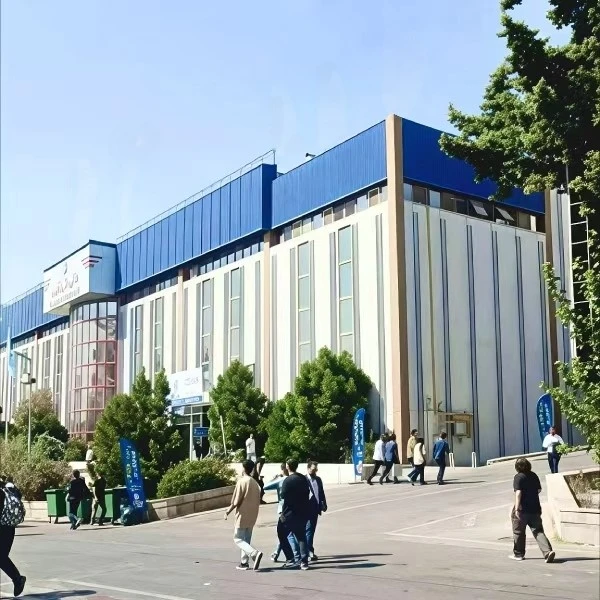
In September 2025, Shenzhen STHL Technology Co., Ltd. (STHL) took part in an electronics exhibition and met with OEMs, system integrators, sourcing teams, and technical visitors evaluating PCBA and EMS manufacturing partners.
What stood out was how quickly many conversations moved past equipment lists and general capability introductions.
The questions were more practical. What happens after the first prototype build? How is the testing scope agreed before production? Who coordinates materials when the BOM is not fully ready? And in a turnkey project, where does one supplier's responsibility end and another begin?
Those questions became the most useful part of the exhibition for our team.
After the Prototype, What Changes?
A successful prototype does not automatically mean a project is ready for repeat production.
Several conversations focused on what needs to remain controlled as build quantities increase: process parameters, inspection requirements, component changes, documentation, and communication between engineering and production.
For buyers, the concern is usually not whether a factory can build the first boards. The harder question is whether the same design can be built consistently as quantities increase and more production variables come into play.
That is where traceability, change control, and clear production records matter more.
Testing Is Not a Fixed Checklist
Testing also came up frequently, but not as a simple question of whether a factory has AOI, X-ray, or functional test equipment.
Buyers were asking a different question: which checks are actually appropriate for their board and application?
The answer depends on board design, component package types, application requirements, available test methods, and the quality criteria agreed for the project.
AOI may be appropriate for one part of the inspection flow. X-ray inspection may be required where hidden solder joints need verification. Functional testing depends on the product, test method, fixture, firmware, and pass/fail criteria defined for the build.
In other words, more testing does not automatically mean better testing. The test scope has to match the project.
See our Testing and Inspection page for an overview of STHL's inspection and verification capabilities.

Turnkey Projects Usually Get Complicated at the Interfaces
Turnkey PCB assembly was another recurring topic.
Buyers were less interested in hearing that one supplier could handle PCB fabrication, component sourcing, PCB assembly, testing, and box build. They wanted to know how those activities are coordinated when something changes.
A component becomes unavailable. An approved alternative needs confirmation. A Gerber revision arrives after the BOM review. A test requirement changes before the next build.
These are ordinary project situations, but they are also where unclear responsibility creates delays.
For that reason, BOM readiness and material availability were often discussed together with manufacturing scope. Before a build is released, engineering files, approved components, quantities, test requirements, and material responsibilities need to be aligned.
Different Applications, Similar Questions
The projects discussed at the exhibition covered industrial control, automotive electronics, communications, smart devices, and embedded electronics.
The technical details were different, but buyers repeatedly returned to a similar set of concerns: whether the build can be repeated consistently, whether testing is defined clearly, whether material risks are identified early, and whether changes will be communicated before they affect production.
A long equipment list may help a buyer confirm basic capability. It does not answer how a real project will be managed once engineering, sourcing, manufacturing, and quality all become involved.
What We Took Away from the Exhibition
The most useful conversations were not about whether STHL could place a particular component package or run a particular inspection process.
They were about responsibility.
Who reviews the BOM before materials are committed? Who proposes and who approves a component substitution? How should the inspection plan change when the design is revised? What information is needed before a pilot build moves toward repeat production?
Those are the questions that often determine whether a project runs smoothly after quotation.
For STHL, the exhibition provided useful feedback on how OEM and ODM teams evaluate PCBA suppliers, and on which parts of the manufacturing process need to be explained more clearly before a project starts.

Continuing the Conversation
STHL supports electronics projects across product development support, NPI, PCB assembly, testing, pilot builds, and repeat production according to the confirmed project scope.
If you are evaluating a PCBA or EMS manufacturing partner, you can review our PCB Assembly capabilities or submit your project details for an initial review.
You can also email info@pcba-china.com with the information currently available for your project, such as the BOM, Gerber files, build quantity, target lead time, and testing requirements.


