


Hey there! As a supplier of X-Ray Inspection services, I often get asked if X-Ray Inspection can detect internal defects in wooden beams. Well, let's dive right into it.
First off, what are internal defects in wooden beams? These can be things like knots, cracks, decay, and even insect damage that aren't visible from the outside. Detecting these defects early is super important, especially in construction and furniture - making. A beam with internal defects might look fine on the surface but could fail under stress, leading to safety hazards or structural issues.
So, can X - Ray Inspection do the job? The short answer is yes, and here's how. X - rays work by passing through an object. Different materials absorb X - rays at different rates. Wood is a relatively low - density material, and when X - rays pass through it, they are absorbed to a certain degree. If there's a defect inside the wood, like a crack or a pocket of decay, the X - ray absorption pattern changes.
Let's take a closer look at the science behind it. When an X - ray machine emits X - rays towards a wooden beam, some of the X - rays are absorbed by the wood, and some pass through. A detector on the other side of the beam captures the X - rays that pass through. The detector then creates an image based on the amount of X - rays it receives. Areas with higher density, like healthy wood, show up as darker areas on the image, while areas with lower density, such as cracks or decay, appear lighter.
One of the great things about X - Ray Inspection is its non - destructive nature. Unlike other methods that might require cutting into the beam to check for defects, X - rays can give us a clear view of what's going on inside without damaging the beam. This is a huge advantage, especially when dealing with valuable or rare wooden beams.
Now, let's talk about the limitations. While X - Ray Inspection is a powerful tool, it's not perfect. For very small defects, it might be difficult to detect them accurately. Also, if the defect is in a location where the X - rays have a hard time reaching, like deep within a thick beam, the image might not be as clear.
Another factor to consider is the type of wood. Different types of wood have different densities and compositions. For example, hardwoods are generally denser than softwoods. This means that the X - ray absorption patterns can vary, and it might take a bit more expertise to interpret the images correctly.
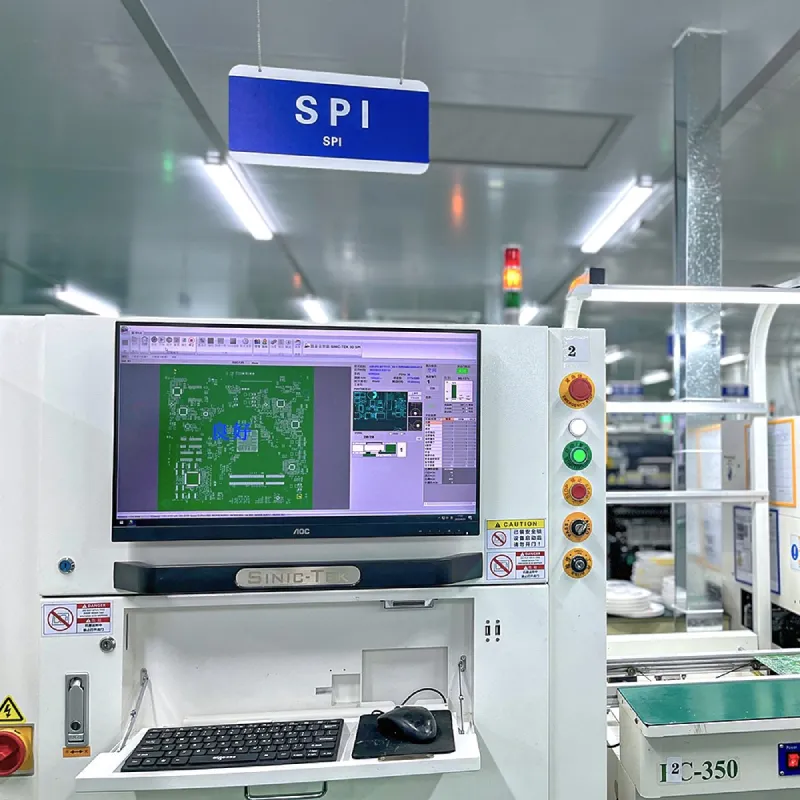
In the world of inspection and testing, there are other methods available too. For instance, ICT Testing is commonly used in electronics to test printed circuit boards. It's not really applicable to wooden beams, but it shows the variety of testing methods out there. Similarly, Burn - In Testing is used to identify early - life failures in electronic components. And Solder Paste Inspection is crucial in the electronics manufacturing process to ensure proper soldering.
But when it comes to wooden beams, X - Ray Inspection has its own unique advantages. It can provide a quick and relatively accurate assessment of the internal condition of the beam. This is especially useful in industries like construction, where time is of the essence, and safety is a top priority.
In construction projects, using X - Ray Inspection to check wooden beams can save a lot of time and money. Instead of relying on guesswork or cutting into the beams, contractors can use X - rays to quickly identify any potential problems. This allows them to make informed decisions about whether to use a particular beam or replace it.
In the furniture - making industry, X - Ray Inspection can help ensure the quality of the wood used. Furniture makers can use X - rays to select the best pieces of wood for their projects, avoiding any hidden defects that could affect the durability and appearance of the final product.
If you're in an industry that deals with wooden beams and you're looking for a reliable way to detect internal defects, X - Ray Inspection is definitely worth considering. Our team of experts has years of experience in using X - Ray Inspection technology to provide accurate and detailed reports.
We understand that every project is unique, and we're committed to working closely with our clients to meet their specific needs. Whether you're a small - scale furniture maker or a large construction company, we can provide customized solutions to help you ensure the quality of your wooden beams.

So, if you're interested in learning more about how X - Ray Inspection can benefit your business, don't hesitate to reach out. We're here to answer any questions you might have and to discuss how we can work together to improve the quality and safety of your projects.
In conclusion, X - Ray Inspection is a valuable tool for detecting internal defects in wooden beams. While it has its limitations, its non - destructive nature and ability to provide quick results make it a popular choice in many industries. If you're in the market for X - Ray Inspection services, we'd love to hear from you and see how we can help.
References
- Textbooks on non - destructive testing
- Research papers on X - ray imaging in materials science


