


Regular inspections play a crucial role in various industries, ensuring product quality, safety, and compliance. As a testing and inspection supplier, I have witnessed firsthand the numerous benefits that conducting regular inspections can bring. In this blog post, I will explore these benefits in detail and explain why they are essential for businesses.
1. Ensuring Product Quality
One of the primary benefits of regular inspections is the ability to maintain and improve product quality. Through comprehensive testing and inspection processes, we can identify any defects or issues early in the production cycle. For example, ICT Testing is a powerful technique that can detect electrical faults in printed circuit boards (PCBs). By conducting ICT testing regularly, we can catch problems such as short circuits, open circuits, and incorrect component values before they cause significant issues in the final product.
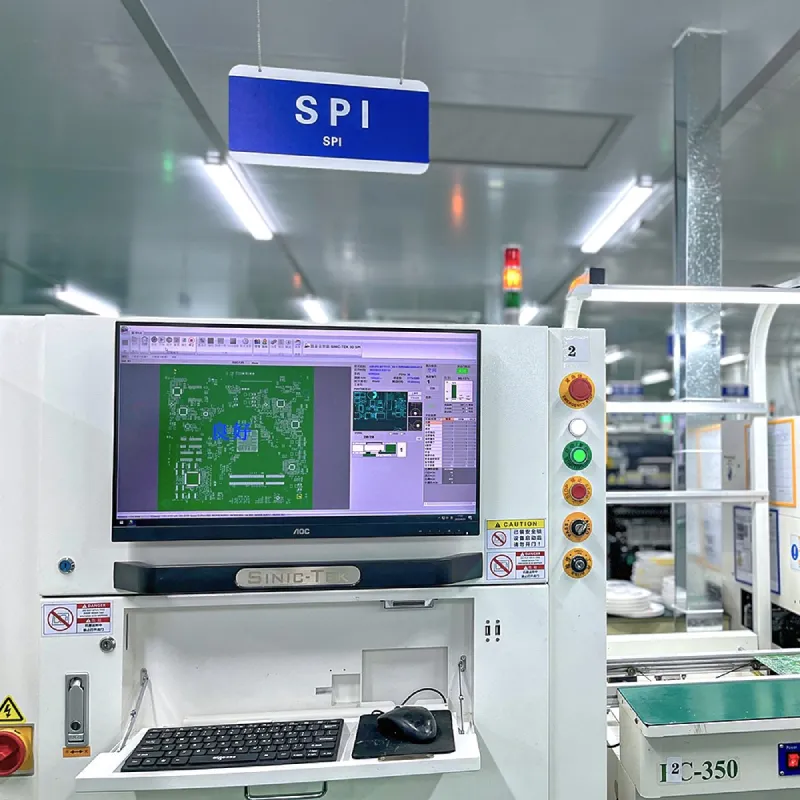
Similarly, Solder Paste Inspection helps to ensure that the solder paste is applied correctly during the PCB assembly process. This inspection method can detect issues such as insufficient solder, excessive solder, or misaligned components, which can lead to poor electrical connections and product failures. By addressing these issues early, we can prevent costly rework and improve the overall quality of the product.
2. Enhancing Safety
Regular inspections are also essential for ensuring the safety of products and the people who use them. In industries such as automotive, aerospace, and medical, safety is of utmost importance. Through inspections, we can identify potential safety hazards and take appropriate measures to mitigate them.
For instance, in the automotive industry, regular inspections of vehicles are necessary to ensure that they meet safety standards. These inspections can include checks of the brakes, tires, steering system, and other critical components. By detecting and addressing any safety issues early, we can prevent accidents and protect the lives of drivers and passengers.
In the medical industry, regular inspections of medical devices are crucial to ensure their safety and effectiveness. AOI Inspection can be used to detect defects in medical device components, such as cracks, scratches, or incorrect markings. By ensuring the quality and safety of medical devices, we can provide patients with reliable and effective treatments.
3. Complying with Regulations
Many industries are subject to strict regulations and standards that govern product quality, safety, and environmental impact. Regular inspections help businesses to comply with these regulations and avoid costly fines and legal issues.
For example, in the food and beverage industry, regular inspections are required to ensure that products meet food safety standards. These inspections can include checks of the production facilities, raw materials, and finished products. By complying with these regulations, businesses can protect the health and safety of consumers and maintain their reputation in the market.
In the electronics industry, there are also various regulations and standards that govern the use of hazardous substances. Regular inspections can help businesses to ensure that their products are free from these substances and comply with environmental regulations.
4. Reducing Costs
While conducting regular inspections may seem like an additional expense, it can actually help businesses to reduce costs in the long run. By identifying and addressing issues early, we can prevent costly rework, recalls, and warranty claims.
For example, if a defect is detected during the production process, it can be corrected before the product is shipped to the customer. This can save the business the cost of rework, as well as the potential loss of customers due to product failures. Additionally, regular inspections can help to extend the lifespan of equipment and machinery, reducing the need for costly replacements.
5. Improving Efficiency
Regular inspections can also help businesses to improve their efficiency and productivity. By identifying and addressing issues early, we can prevent production delays and downtime. For example, if a machine is not functioning properly, it can be repaired or replaced before it causes a significant disruption to the production process.
In addition, regular inspections can help to optimize the production process by identifying areas for improvement. For example, if a particular process is taking too long or producing too many defects, we can analyze the data from the inspections and make changes to improve the process.

6. Building Customer Trust
Finally, regular inspections can help businesses to build customer trust and loyalty. By ensuring the quality and safety of their products, businesses can provide customers with peace of mind and confidence in their purchases. This can lead to increased customer satisfaction and repeat business.
For example, if a customer knows that a product has been thoroughly inspected and tested, they are more likely to trust the brand and recommend it to others. Additionally, businesses that are committed to quality and safety are more likely to attract new customers and retain existing ones.
In conclusion, conducting regular inspections is essential for businesses in various industries. By ensuring product quality, enhancing safety, complying with regulations, reducing costs, improving efficiency, and building customer trust, regular inspections can help businesses to achieve their goals and succeed in the market. As a testing and inspection supplier, I am committed to providing high-quality inspection services to help businesses meet their needs. If you are interested in learning more about our services or would like to discuss your specific requirements, please feel free to contact us to start a procurement discussion.
References
- Smith, J. (2020). The Importance of Regular Inspections in Manufacturing. Journal of Quality Management, 15(2), 45-56.
- Johnson, A. (2019). Ensuring Product Safety through Regular Inspections. Safety Science, 112, 345-356.
- Brown, C. (2018). Complying with Regulations: The Role of Regular Inspections. Regulatory Affairs Journal, 22(3), 234-245.


