


Hey there! As a provider in the testing and inspection industry, I've seen firsthand how inspection can work wonders in boosting process efficiency. In this blog, I'm gonna share some insights on how we can use inspection to make our processes run smoother and faster.
First off, let's talk about what inspection really means. Inspection is all about checking things out to make sure they meet certain standards. It's like a quality control checkpoint in a process. Whether it's a manufacturing line, a software development cycle, or any other kind of process, inspection helps us catch problems early on.
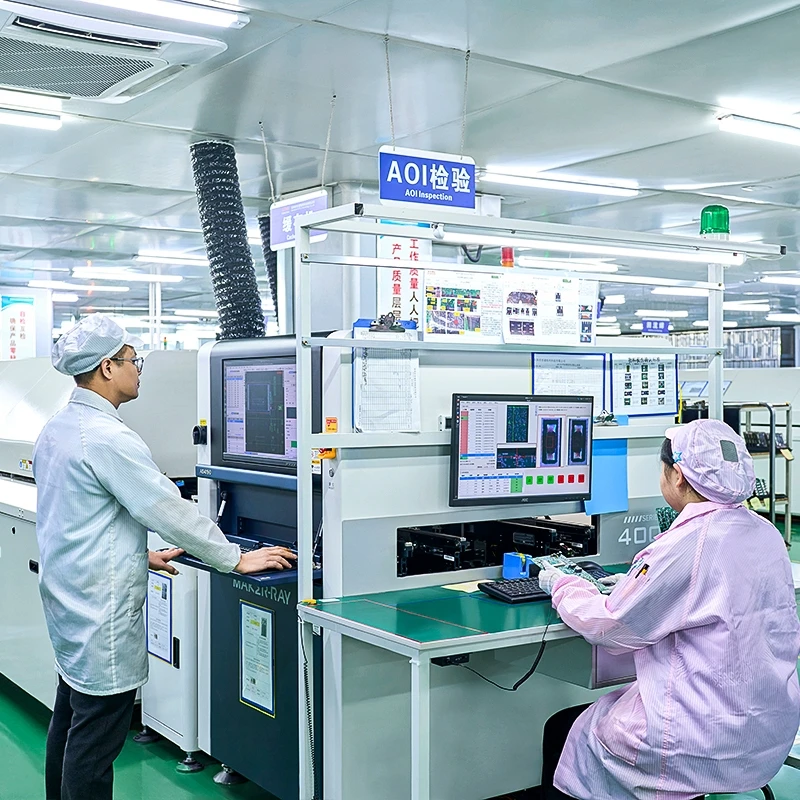
One of the key ways inspection improves process efficiency is by reducing errors. When we inspect products or processes regularly, we can spot mistakes before they turn into big issues. For example, in a manufacturing setting, if we use AOI Inspection, we can quickly identify defects in printed circuit boards. This means we can fix the problems right away, instead of having a whole batch of faulty products that need to be reworked or scrapped. By catching these errors early, we save time and resources in the long run.
Another benefit of inspection is that it helps us optimize our processes. When we inspect, we gather data about how things are going. This data can tell us a lot about where the bottlenecks are in our processes. Maybe we notice that a particular step in the manufacturing process is taking longer than it should. By analyzing the inspection data, we can figure out why and make changes to speed things up. For instance, if we're doing Burn-In Testing and we find that some components are failing prematurely, we can look into the testing conditions or the components themselves. Maybe we need to adjust the testing parameters or source better-quality components. This kind of optimization can lead to significant improvements in process efficiency.
Inspection also plays a crucial role in ensuring compliance. In many industries, there are strict regulations and standards that products and processes have to meet. By conducting regular inspections, we can make sure that we're following these rules. This not only helps us avoid legal issues but also builds trust with our customers. For example, in the medical device industry, X-Ray Inspection can be used to ensure that devices are free from defects and meet safety standards. This gives our customers peace of mind knowing that the products they're using are of high quality.
Now, let's talk about how we can implement inspection effectively. One important thing is to have a clear inspection plan. This plan should outline what we're going to inspect, how often we're going to do it, and what the acceptance criteria are. For example, in a software development project, we might have a plan to inspect the code at different stages of the development cycle. We can set up checkpoints where we review the code for bugs, security vulnerabilities, and compliance with coding standards.
Another aspect of effective inspection is using the right tools and technologies. In today's digital age, there are all kinds of advanced inspection tools available. For example, in the manufacturing industry, we can use automated inspection systems that can quickly and accurately detect defects. These systems can be programmed to look for specific patterns or features, making the inspection process much more efficient.
Training is also essential. Our inspection team needs to be well-trained in the inspection techniques and the use of the inspection tools. They should understand the importance of inspection and how it contributes to the overall process efficiency. By investing in training, we can ensure that our inspections are accurate and reliable.

In addition to these, we should also encourage a culture of quality within our organization. Everyone should be aware of the importance of inspection and how it affects the success of the business. When employees take ownership of the quality of their work, they're more likely to be proactive in identifying and fixing problems.
So, how can you take advantage of these benefits of inspection for your business? Well, if you're looking for a reliable testing and inspection partner, we're here to help. Our team of experts has years of experience in the industry and can provide you with customized inspection solutions. Whether you need AOI Inspection, Burn-In Testing, or X-Ray Inspection, we've got you covered.
If you're interested in learning more about how our inspection services can improve your process efficiency, don't hesitate to reach out. We're always happy to have a chat and discuss your specific needs. Let's work together to make your processes more efficient and your products of higher quality.
References
- Some general knowledge about testing and inspection from industry reports and best practices.
- Insights from practical experiences in the testing and inspection field.


