


In the realm of electronics manufacturing, DIP (Dual In-line Package) Assembly stands as a cornerstone process, crucial for the integration of through-hole components onto printed circuit boards (PCBs). As a DIP Assembly supplier, we understand the significance of maintaining high-quality soldering joints. Clean soldering joints not only enhance the aesthetic appeal of the assembled PCB but also play a pivotal role in ensuring the long-term reliability and functionality of the electronic device. In this blog, we will delve into the essential techniques and best practices for cleaning soldering joints in DIP Assembly.
Understanding the Importance of Cleaning Soldering Joints
Before we explore the cleaning methods, it's essential to understand why cleaning soldering joints is so important. During the soldering process, flux residues are left behind on the PCB and the soldering joints. Flux is a chemical compound used to promote wetting and adhesion of the solder to the PCB and components. While flux is necessary for a successful soldering process, the residues can cause several issues if not removed.
Firstly, flux residues can attract dust and moisture, which can lead to corrosion over time. Corrosion can cause electrical shorts, intermittent connections, and ultimately, device failure. Secondly, the residues can interfere with the proper functioning of the electronic components. For example, they can cause signal interference or affect the performance of sensitive components. Finally, clean soldering joints are essential for passing quality inspections, especially in industries with strict quality standards such as aerospace, automotive, and medical.
Manual Through Hole Assembly and the Need for Cleaning
Manual Through Hole Assembly is a common method used in DIP Assembly. In this process, components are manually inserted into the PCB holes and then soldered. While manual assembly offers flexibility and precision, it also requires careful attention to the soldering process and subsequent cleaning.
During manual through-hole assembly, the soldering iron is used to melt the solder and create a connection between the component leads and the PCB pads. This process often leaves behind flux residues, which need to be removed to ensure the integrity of the soldering joints. The cleaning process is crucial to prevent any potential issues that could arise from the presence of these residues.
Cleaning Methods for Soldering Joints in DIP Assembly
There are several methods available for cleaning soldering joints in DIP Assembly. The choice of method depends on various factors, including the type of flux used, the level of contamination, and the specific requirements of the PCB and components.
Solvent Cleaning
Solvent cleaning is one of the most common methods used for cleaning soldering joints. This method involves using a solvent to dissolve and remove the flux residues. There are different types of solvents available, including alcohol-based solvents, hydrocarbon solvents, and water-based solvents.
Alcohol-based solvents, such as isopropyl alcohol (IPA), are widely used due to their effectiveness in dissolving flux residues and their relatively low toxicity. IPA is a volatile solvent that evaporates quickly, leaving no residue behind. It can be applied using a brush, spray, or immersion method.
Hydrocarbon solvents are also effective in removing flux residues, but they are more flammable and toxic than alcohol-based solvents. Therefore, they require special handling and safety precautions.
Water-based solvents are a more environmentally friendly option. They are non-toxic and non-flammable, but they may require additional drying steps to ensure that the PCB is completely dry before further processing.
Ultrasonic Cleaning
Ultrasonic cleaning is a highly effective method for cleaning soldering joints. This method uses high-frequency sound waves to create microscopic bubbles in a cleaning solution. The bubbles implode, creating a scrubbing action that removes the flux residues from the soldering joints and the PCB surface.

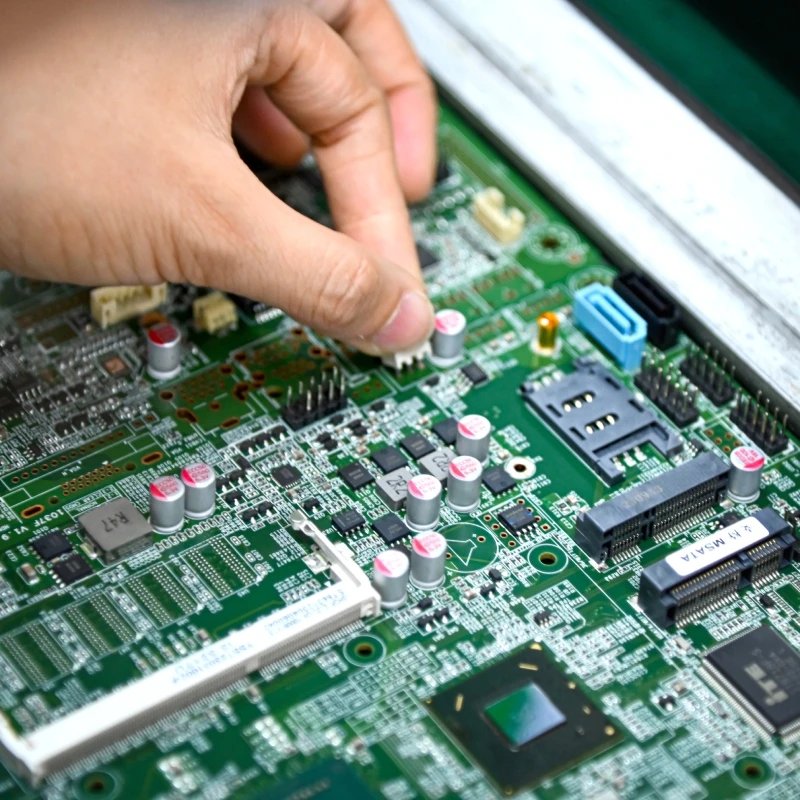
Ultrasonic cleaning is particularly useful for removing stubborn flux residues and contaminants that are difficult to reach with other cleaning methods. It can be used in combination with solvent cleaning to achieve a more thorough cleaning.
Plasma Cleaning
Plasma cleaning is a relatively new method for cleaning soldering joints. This method uses a plasma discharge to remove the flux residues and contaminants from the PCB surface. Plasma is a highly reactive gas that can break down the organic compounds in the flux residues, leaving the surface clean and free of contaminants.
Plasma cleaning is a dry cleaning method, which means that it does not require the use of solvents. This makes it a more environmentally friendly option. It is also a very effective method for cleaning small and intricate components, as it can reach areas that are difficult to access with other cleaning methods.
Best Practices for Cleaning Soldering Joints
To ensure the best results when cleaning soldering joints in DIP Assembly, it is important to follow some best practices.
Use the Right Cleaning Equipment
Using the right cleaning equipment is essential for achieving a thorough and effective cleaning. This includes using the appropriate solvents, brushes, and cleaning tools. It is also important to use a clean and dry work surface to prevent any cross-contamination.
Follow the Manufacturer's Instructions
When using solvents or cleaning equipment, it is important to follow the manufacturer's instructions. This includes using the correct concentration of solvents, the appropriate cleaning time, and the proper safety precautions.
Inspect the Soldering Joints
After cleaning the soldering joints, it is important to inspect them to ensure that they are clean and free of any residues. This can be done using a magnifying glass or a microscope. Any remaining residues should be removed using a clean brush or a cotton swab.
Dry the PCB
After cleaning, it is important to dry the PCB completely to prevent any moisture from causing corrosion or other issues. This can be done using a clean, dry cloth or by using a drying oven.
DIP Assembly and Wave Soldering
DIP Assembly often involves the use of Wave Soldering to solder the components onto the PCB. Wave soldering is a mass soldering process that involves passing the PCB over a wave of molten solder. This process is efficient and cost-effective, but it also leaves behind flux residues that need to be cleaned.
The cleaning process for wave-soldered PCBs is similar to the cleaning process for manually soldered PCBs. However, due to the large volume of components and the high speed of the wave soldering process, the cleaning process may require more attention and specialized equipment.
Conclusion
Cleaning soldering joints in DIP Assembly is an essential step in ensuring the quality and reliability of electronic devices. By understanding the importance of cleaning, choosing the right cleaning method, and following the best practices, we can achieve clean and reliable soldering joints.
As a DIP Assembly supplier, we are committed to providing high-quality assembly services and ensuring that our customers receive the best possible products. If you are interested in learning more about our DIP Assembly services or have any questions about cleaning soldering joints, please contact us for a consultation. We look forward to working with you to meet your electronic manufacturing needs.
References
- "Handbook of Printed Circuit Board Technology" by Clyde F. Coombs Jr.
- "Fundamentals of Electronics Manufacturing" by C. J. Baron
- "Surface Mount Technology: Principles and Practice" by Peter Wild


