


In the dynamic landscape of Information and Communication Technology (ICT), the integrity of data is of paramount importance. As an ICT testing supplier, we understand the critical role that data integrity plays in ensuring the reliability and performance of ICT systems. This blog post will explore the various strategies and practices that can be employed to ensure the integrity of data in ICT testing.
Understanding Data Integrity in ICT Testing
Data integrity refers to the accuracy, consistency, and reliability of data throughout its lifecycle. In the context of ICT testing, data integrity ensures that the data being tested is accurate, complete, and free from errors or corruption. This is crucial because inaccurate or inconsistent data can lead to faulty test results, which in turn can result in incorrect decisions and potential failures in ICT systems.
Importance of Data Integrity
- Reliability: Data integrity is essential for the reliable operation of ICT systems. Accurate and consistent data ensures that the system functions as intended, reducing the risk of failures and downtime.
- Decision-Making: In ICT, data is used to make critical decisions. Ensuring data integrity is crucial for making informed and accurate decisions based on reliable information.
- Compliance: Many industries have strict regulations regarding data integrity. Complying with these regulations is not only a legal requirement but also helps in building trust with customers and stakeholders.
Strategies for Ensuring Data Integrity in ICT Testing
Data Validation
Data validation is the process of ensuring that the data being tested meets certain criteria or rules. This can include checking for data type, range, format, and uniqueness. For example, in a database, a field for a person's age should only accept numeric values within a reasonable range. By validating data before testing, we can prevent errors and ensure that the data is in the correct format for testing.
Data Encryption
Data encryption is a technique used to protect data from unauthorized access or modification. By encrypting data, we can ensure that even if the data is intercepted, it cannot be read or altered without the appropriate decryption key. This is particularly important when testing data that contains sensitive information, such as personal or financial data.
Backup and Recovery
Regularly backing up data is essential for ensuring data integrity. In the event of a data loss or corruption, having a backup allows us to restore the data to its previous state. It is also important to test the backup and recovery process to ensure that it works effectively. This can involve performing regular test restorations to verify that the backup data is accurate and can be successfully restored.
Auditing and Monitoring
Auditing and monitoring are important practices for ensuring data integrity. By auditing the data and the testing process, we can identify any potential issues or anomalies. Monitoring the data in real-time can also help us detect any changes or errors as they occur. This allows us to take immediate action to correct the issue and prevent further data integrity problems.
ICT Testing Techniques for Data Integrity
Unit Testing
Unit testing is a type of testing that focuses on individual components or units of code. By testing each unit in isolation, we can ensure that it functions correctly and that the data it processes is accurate. Unit testing can help identify and fix errors early in the development process, reducing the risk of data integrity issues in the final system.
Integration Testing
Integration testing is used to test the interaction between different components or systems. This helps ensure that the data flows correctly between the components and that there are no compatibility issues. By testing the integration of different systems, we can identify and resolve any data integrity issues that may arise due to the interaction between the components.
System Testing
System testing is a comprehensive testing approach that tests the entire ICT system as a whole. This includes testing the functionality, performance, and security of the system. System testing helps ensure that the data is processed correctly throughout the entire system and that the system meets the specified requirements.

The Role of Inspection in Data Integrity
AOI Inspection
AOI (Automated Optical Inspection) is a non-destructive testing technique that uses cameras and image processing algorithms to inspect printed circuit boards (PCBs) for defects. AOI Inspection can detect a wide range of defects, such as missing components, misaligned components, and soldering issues. By ensuring the quality of the PCBs, AOI inspection helps maintain the integrity of the data that is processed by the ICT system.
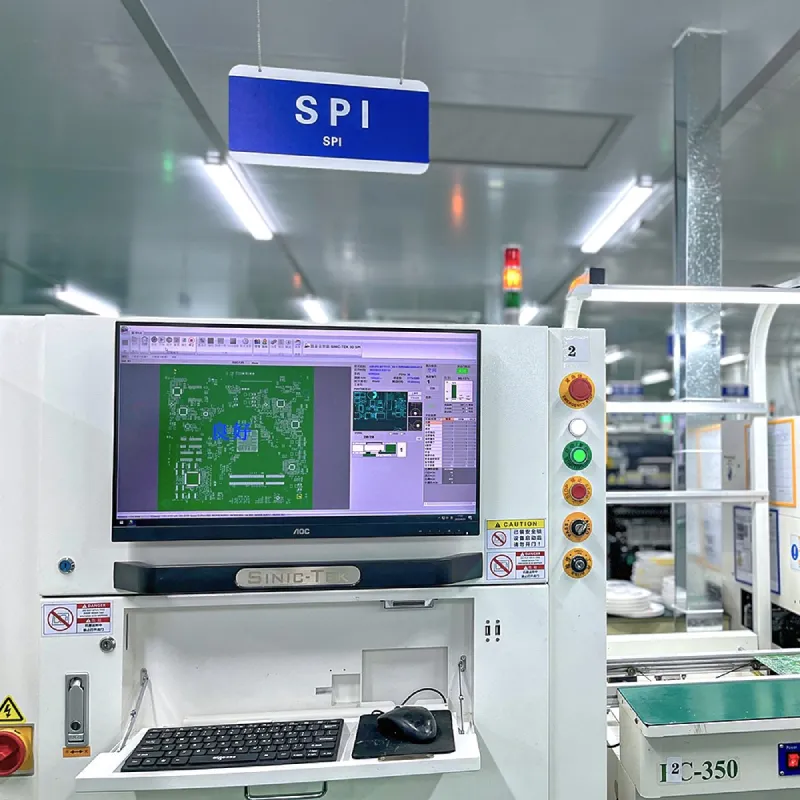
Solder Paste Inspection
Solder Paste Inspection (SPI) is another important inspection technique used in ICT testing. Solder Paste Inspection is used to inspect the solder paste applied to the PCBs before the components are placed. This helps ensure that the solder paste is applied correctly and that there are no issues with the solder joints. Proper solder joints are essential for the reliable operation of the ICT system and the integrity of the data.
X-Ray Inspection
X-Ray Inspection is a powerful inspection technique that can be used to detect hidden defects in PCBs and other components. X-Ray Inspection can reveal defects such as cracked components, short circuits, and voids in the solder joints. By detecting these hidden defects, X-Ray inspection helps ensure the integrity of the data and the reliability of the ICT system.
Conclusion
Ensuring the integrity of data in ICT testing is a complex and ongoing process. By implementing the strategies and techniques discussed in this blog post, we can significantly reduce the risk of data integrity issues and ensure the reliability and performance of ICT systems. As an ICT testing supplier, we are committed to providing high-quality testing services that help our clients maintain the integrity of their data.
If you are interested in learning more about our ICT testing services or have any questions about data integrity, please feel free to contact us for a procurement discussion. We look forward to working with you to ensure the success of your ICT projects.
References
- Smith, J. (2020). Data Integrity in ICT: Best Practices and Challenges. Journal of ICT Testing, 15(2), 34-45.
- Johnson, A. (2019). Ensuring Data Integrity in ICT Systems. ICT Review, 22(3), 56-67.
- Brown, C. (2018). The Importance of Inspection in ICT Testing for Data Integrity. ICT Testing Journal, 12(4), 78-89.


