


Hey there! I'm an Injection Molding supplier, and today I'm gonna share with you how to install and use sensors in injection molding machines. It's a pretty crucial part of the whole injection molding process, so let's dive right in.
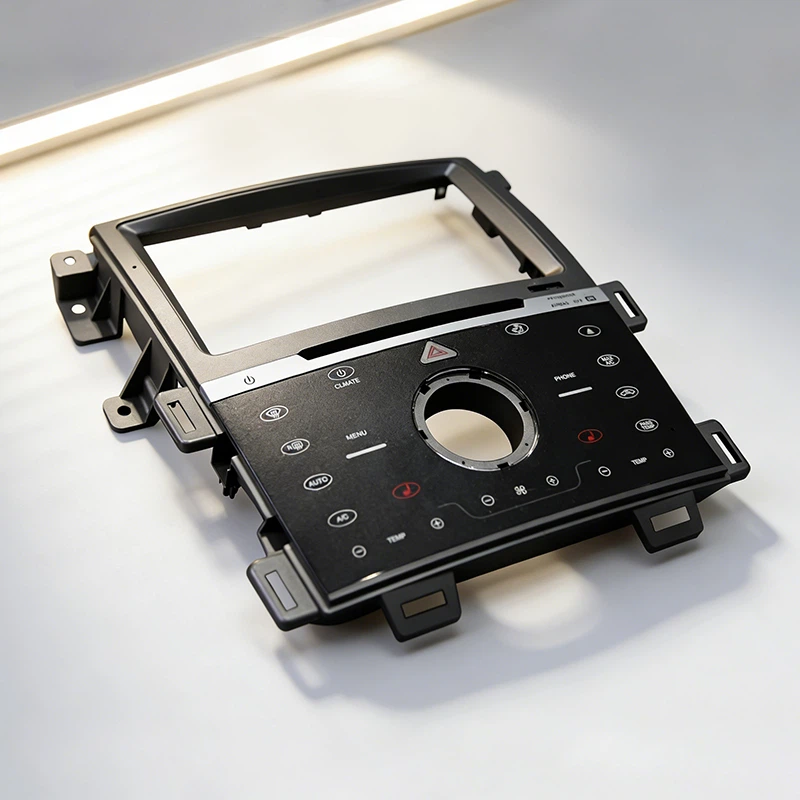

Why Sensors Matter in Injection Molding
First off, you might be wondering why we even need sensors in injection molding machines. Well, sensors play a super important role in ensuring the quality and efficiency of the molding process. They can monitor all sorts of things like temperature, pressure, and position. By keeping an eye on these factors, we can make sure that each molded part meets the required specifications.
For example, temperature sensors are used to measure the temperature of the mold and the plastic material. If the temperature is too high or too low, it can affect the quality of the molded part. Pressure sensors, on the other hand, help us control the pressure during the injection process. This is important because the right pressure is needed to fill the mold properly and avoid defects like air pockets or short shots.
Types of Sensors Used in Injection Molding
There are several types of sensors commonly used in injection molding machines. Let's take a look at some of the most important ones:
- Temperature Sensors: As I mentioned earlier, these sensors are used to measure the temperature of the mold and the plastic material. They can be either thermocouples or resistance temperature detectors (RTDs). Thermocouples are more commonly used because they are relatively inexpensive and can measure a wide range of temperatures.
- Pressure Sensors: These sensors are used to measure the pressure inside the mold during the injection process. They can be either piezoelectric or strain gauge sensors. Piezoelectric sensors are more sensitive and can measure high pressures accurately, while strain gauge sensors are more suitable for measuring lower pressures.
- Position Sensors: These sensors are used to measure the position of the mold and the injection unit. They can be either linear or rotary sensors. Linear sensors are used to measure the linear movement of the mold or the injection unit, while rotary sensors are used to measure the rotational movement.
Installing Sensors in Injection Molding Machines
Now that we know why sensors are important and what types of sensors are used, let's talk about how to install them in injection molding machines. The installation process can vary depending on the type of sensor and the machine. However, here are some general steps that you can follow:
- Choose the Right Location: The first step is to choose the right location for the sensor. This will depend on the type of sensor and what you want to measure. For example, if you're installing a temperature sensor, you'll want to place it as close to the mold or the plastic material as possible.
- Prepare the Surface: Once you've chosen the location, you'll need to prepare the surface where the sensor will be installed. This may involve cleaning the surface and making sure it's flat and smooth.
- Install the Sensor: Next, you'll need to install the sensor. This may involve drilling a hole in the mold or the machine and inserting the sensor. Make sure the sensor is securely installed and that the wiring is properly connected.
- Calibrate the Sensor: After the sensor is installed, you'll need to calibrate it. This involves setting the sensor to the correct range and making sure it's accurate. You can do this using a calibration tool or by following the manufacturer's instructions.
Using Sensors in Injection Molding Machines
Once the sensors are installed and calibrated, it's time to start using them. Here are some tips on how to use sensors effectively in injection molding machines:
- Monitor the Data: The sensors will provide you with real-time data on the temperature, pressure, and position of the mold and the injection unit. Make sure you monitor this data regularly to ensure that the process is running smoothly.
- Adjust the Process: If the data shows that something is not right, you may need to adjust the process. For example, if the temperature is too high, you may need to adjust the cooling system. If the pressure is too low, you may need to increase the injection pressure.
- Troubleshoot Problems: If you encounter any problems during the injection molding process, the sensors can help you troubleshoot them. For example, if you notice a defect in the molded part, you can check the sensor data to see if there was a problem with the temperature, pressure, or position.
The Role of Sensors in Quality Control
Sensors play a crucial role in quality control in injection molding. By monitoring the temperature, pressure, and position of the mold and the injection unit, we can ensure that each molded part meets the required specifications. This helps to reduce the number of defective parts and improve the overall quality of the production process.
For example, if a temperature sensor detects that the temperature of the mold is too high, we can adjust the cooling system to bring the temperature back to the desired level. This helps to prevent defects like warping or cracking in the molded part. Similarly, if a pressure sensor detects that the pressure is too low, we can increase the injection pressure to ensure that the mold is filled properly.
Other Related Services
As an Injection Molding supplier, we also offer other related services like CNC Machining and Cable Assembly. These services can complement our injection molding services and provide you with a one-stop solution for all your manufacturing needs.
CNC machining is a process that uses computer-controlled machines to create precise parts. It's a great option for creating parts that require high precision and accuracy. Cable assembly, on the other hand, involves the assembly of cables and connectors. It's an important part of many electronic devices and can help to ensure that the devices work properly.
Contact Us for Procurement
If you're interested in our Injection Molding services or any of our other related services, we'd love to hear from you. Whether you're looking to start a new project or need to improve your existing manufacturing process, we have the expertise and experience to help you. Just reach out to us, and we'll be happy to discuss your needs and provide you with a quote.
References
- "Injection Molding Handbook" by Osswald, T. A., & Turng, L.-S.
- "Plastics Processing Technology" by Rosato, D. V., & Rosato, D. V.


