



Managing the inventory of components in PCB assembly is a crucial aspect of running a successful PCB assembly business. As a PCB assembly supplier, I've faced my fair share of challenges in keeping track of components, ensuring we have the right parts on hand when we need them, and minimizing waste. In this blog post, I'll share some tips and strategies that have worked well for me in managing component inventory.
Understanding the Importance of Inventory Management
First off, let's talk about why inventory management is so important in PCB assembly. Having the right components in stock is essential for meeting production deadlines and maintaining high - quality standards. If we run out of a critical component during the assembly process, it can lead to production delays, which in turn can disappoint our customers.

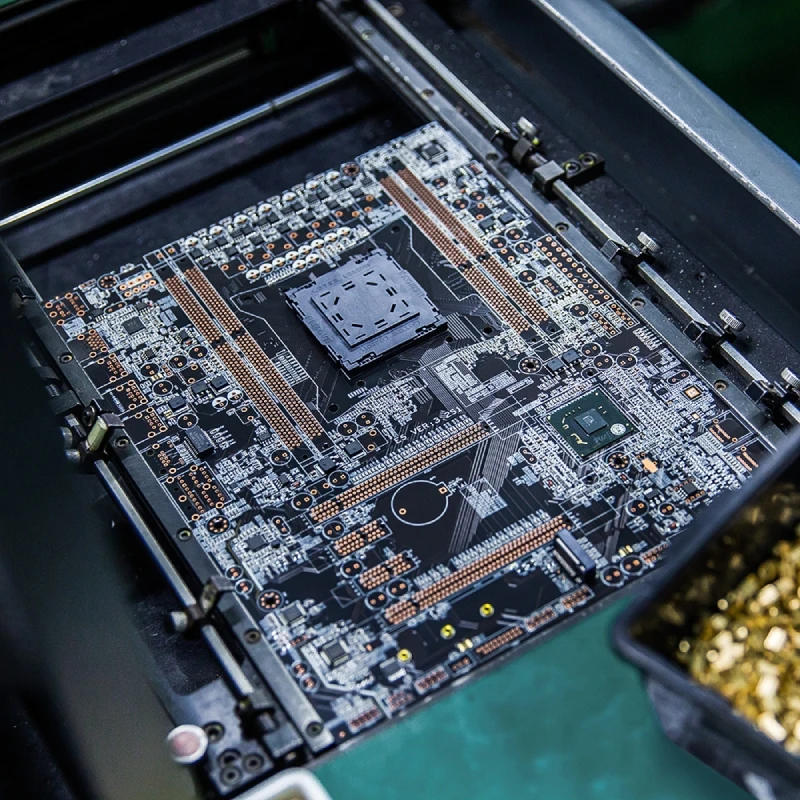
On the other hand, overstocking components can tie up a lot of capital. Components can become obsolete quickly, especially in the fast - paced electronics industry. So, finding the right balance is key.
Categorizing Components
One of the first steps in managing component inventory is to categorize the components. I usually divide them into three main categories: high - value, medium - value, and low - value components.
High - value components are typically the most expensive and have a long lead time. These might include microprocessors, FPGAs, or high - end memory chips. Since they are costly and take a long time to obtain, it's crucial to manage their inventory carefully. We need to have a good forecast of how many we'll need based on our upcoming orders.
Medium - value components are less expensive than high - value ones but still require some attention. They might have a moderate lead time. Examples could be power supplies or specialized integrated circuits.
Low - value components are usually inexpensive and have a short lead time. These can include resistors, capacitors, and basic connectors. While they are cheap, having a large quantity of them in stock can still add up in terms of storage space and capital.
Forecasting Demand
Accurate demand forecasting is the cornerstone of effective inventory management. I rely on historical data, customer orders, and market trends to predict how many components we'll need in the future.
For example, if we've noticed that a particular product has a seasonal demand, we can plan our inventory accordingly. If we know that sales of a certain PCB - based device increase during the holiday season, we'll stock up on the necessary components well in advance.
We also communicate closely with our customers. By understanding their future plans and production schedules, we can get a better idea of what components they'll need. This helps us avoid overstocking or understocking.
Supplier Relationships
Building strong relationships with our suppliers is another key factor in inventory management. We work with reliable suppliers who can provide high - quality components on time.
We have long - term contracts with some of our suppliers, which gives us more stability in terms of pricing and availability. In return, we commit to a certain volume of purchases. This way, both parties benefit.
Some suppliers offer consignment inventory. This means that they keep the components at our facility, but we only pay for them when we use them. This can be a great option for reducing the capital tied up in inventory.
Inventory Tracking Systems
Investing in a good inventory tracking system is a must. We use a software system that allows us to track the quantity, location, and movement of each component in our inventory.
The system also helps us set up reorder points. When the quantity of a component falls below a certain level, the system automatically generates a purchase order. This ensures that we don't run out of essential components.
We also conduct regular physical inventory audits. This helps us identify any discrepancies between the actual inventory and what's recorded in the system.
Dealing with Obsolete Components
As I mentioned earlier, components can become obsolete quickly. When this happens, we need to take action to minimize the loss.
We try to sell the obsolete components to other companies that might still need them. Sometimes, we can also return them to the supplier if they have a return policy.
In some cases, we might use the obsolete components for non - critical applications or as spare parts.
Specific Assembly Considerations
In PCB assembly, different assembly techniques require different components. For example, Mixed Technology PCB Assembly combines surface - mount technology (SMT) and through - hole technology. This means we need to manage the inventory of both SMT and through - hole components.
DIP Assembly involves inserting components through holes in the PCB. We need to ensure we have an adequate supply of DIP components, such as dual - in - line packages.
Selective Soldering is another technique that requires specific components and soldering materials. We need to keep track of these components separately to ensure smooth production.
Conclusion
Managing the inventory of components in PCB assembly is a complex but essential task. By categorizing components, forecasting demand accurately, building strong supplier relationships, using inventory tracking systems, and dealing with obsolete components effectively, we can ensure that our production runs smoothly and our customers are satisfied.
If you're in the market for PCB assembly services and are interested in discussing your component inventory needs, I'd love to have a chat. Let's work together to find the best solutions for your projects.
References
- Industry best practices in PCB assembly inventory management
- Internal records and experiences from our PCB assembly business


