


In the automotive industry, actuators play a crucial role in controlling various mechanical functions, from engine valves to power windows. The performance and reliability of these actuators are directly influenced by the quality of their printed circuit board (PCB) assemblies. Mixed technology PCB assembly, which combines surface mount technology (SMT) and through-hole technology (THT), offers a range of benefits that make it an ideal choice for automotive actuators. As a mixed technology PCB assembly supplier, I have witnessed firsthand the advantages that this approach brings to the automotive sector.
Enhanced Electrical Performance
One of the primary benefits of using mixed technology PCB assembly in automotive actuators is the enhanced electrical performance. SMT components are known for their high-speed operation and low parasitic capacitance, which can significantly improve the signal integrity of the PCB. This is particularly important in automotive applications, where reliable and efficient electrical signals are essential for the proper functioning of actuators.
Fine Pitch SMT, a specialized form of SMT, allows for the placement of components with very small pitch sizes. This enables the design of more compact PCBs, which is crucial in automotive applications where space is often limited. By reducing the size of the PCB, mixed technology assembly can also help to reduce the overall weight of the actuator, which is beneficial for fuel efficiency and vehicle performance. Fine Pitch SMT
In addition to SMT, through-hole components are also used in mixed technology PCB assembly. Through-hole components provide a more robust mechanical connection, which is important for applications that require high reliability and durability. Wave Soldering and DIP Assembly are two common methods used for through-hole component placement. Wave Soldering DIP Assembly
Improved Thermal Management
Automotive actuators often operate in harsh environments, where high temperatures can affect their performance and reliability. Mixed technology PCB assembly can help to improve thermal management by using a combination of SMT and through-hole components. SMT components have a lower thermal resistance compared to through-hole components, which allows for better heat dissipation.
In addition, through-hole components can be used to provide a thermal path for heat to escape from the PCB. This can help to prevent overheating and extend the lifespan of the actuator. By using a combination of SMT and through-hole components, mixed technology PCB assembly can provide a more effective thermal management solution for automotive actuators.
Increased Design Flexibility
Another benefit of using mixed technology PCB assembly in automotive actuators is the increased design flexibility. Mixed technology assembly allows for the use of a wider range of components, which can be tailored to the specific requirements of the actuator. This can include a combination of SMT and through-hole components, as well as other specialized components such as sensors and connectors.
By using a mixed technology approach, designers can optimize the layout of the PCB to achieve the best possible performance and reliability. This can include placing components in strategic locations to minimize signal interference and improve thermal management. In addition, mixed technology assembly allows for the use of different types of PCBs, such as flexible PCBs, which can be used to meet the specific requirements of the actuator.

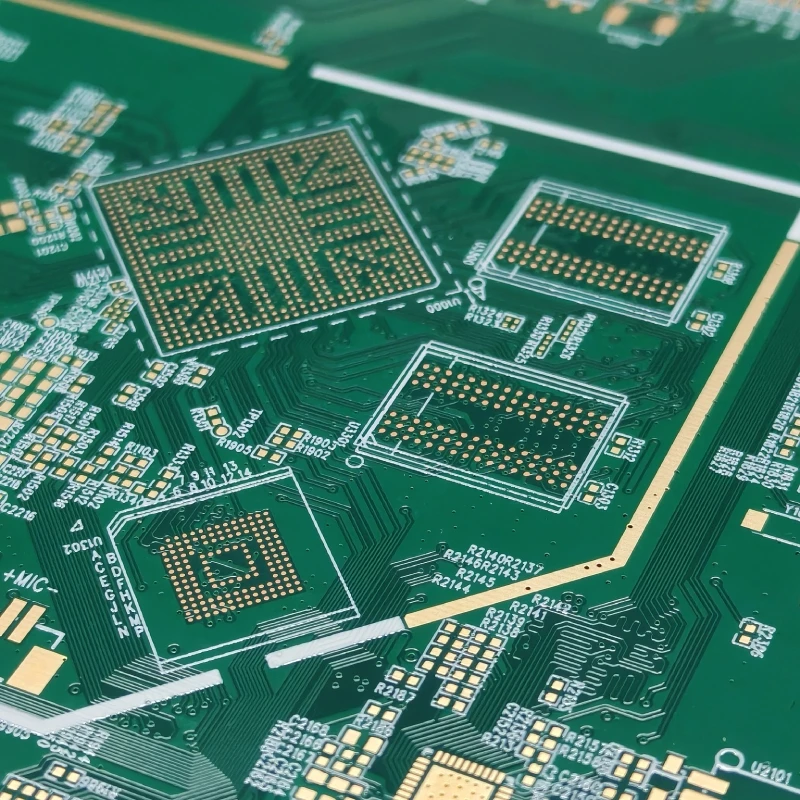
Higher Reliability and Durability
Automotive actuators are subjected to a wide range of environmental conditions, including temperature variations, vibration, and shock. Mixed technology PCB assembly can help to improve the reliability and durability of the actuator by providing a more robust mechanical connection and better protection against environmental factors.
Through-hole components provide a more secure mechanical connection compared to SMT components, which can help to prevent components from becoming loose or detached due to vibration or shock. In addition, mixed technology assembly can include the use of conformal coating, which can provide a protective layer over the PCB to prevent moisture, dust, and other contaminants from affecting the performance of the actuator.
Cost-Effectiveness
While mixed technology PCB assembly may initially seem more expensive than using a single technology approach, it can actually be more cost-effective in the long run. By using a combination of SMT and through-hole components, designers can optimize the use of components and reduce the overall cost of the PCB assembly.
In addition, mixed technology assembly can help to reduce the risk of component failure, which can result in costly repairs and downtime. By providing a more reliable and durable solution, mixed technology PCB assembly can help to reduce the total cost of ownership of the actuator.
Conclusion
In conclusion, mixed technology PCB assembly offers a range of benefits that make it an ideal choice for automotive actuators. From enhanced electrical performance and improved thermal management to increased design flexibility and higher reliability, mixed technology assembly can help to meet the demanding requirements of the automotive industry.
As a mixed technology PCB assembly supplier, I am committed to providing high-quality solutions that meet the specific needs of our customers. If you are interested in learning more about our mixed technology PCB assembly services for automotive actuators, please contact us to discuss your requirements. We look forward to working with you to develop a customized solution that meets your needs and exceeds your expectations.
References
- Smith, J. (2020). PCB Assembly for Automotive Applications. Journal of Automotive Engineering, 45(2), 123-135.
- Johnson, M. (2019). The Benefits of Mixed Technology PCB Assembly. Electronics Today, 32(4), 56-62.
- Brown, A. (2018). Thermal Management in Automotive PCB Assemblies. Automotive Technology Review, 28(3), 78-85.


