


Hey there! I'm a supplier of mixed technology PCB assembly, and today I'm super stoked to chat about the amazing benefits of using mixed technology PCB assembly in HVAC systems.
First off, let's quickly understand what mixed technology PCB assembly is. It's a process that combines different types of components on a single printed circuit board. There are through - hole components, which have leads that go through the board and are soldered on the other side, and surface - mount components, which are directly placed on the surface of the board. This combination gives us the best of both worlds.
Enhanced Performance and Reliability
One of the major benefits of using mixed technology PCB assembly in HVAC systems is the enhanced performance. HVAC systems need to work in a wide range of conditions, from extremely hot to very cold environments. Through - hole components are known for their mechanical strength. They can withstand vibrations, shocks, and temperature variations better than surface - mount components in some cases. This means that in an HVAC system, where there might be a lot of movement and temperature changes, through - hole components can keep the circuit stable.
On the other hand, surface - mount components are smaller and can be placed more densely on the board. This allows for a more compact PCB design. In an HVAC system, space is often limited, especially in modern, sleek units. With mixed technology PCB assembly, we can use surface - mount components to save space and through - hole components for reliability. For example, power - handling components can be through - hole because they need to handle high currents and are subject to more stress, while signal - processing components can be surface - mount for better integration and space - saving.
The reliability of the HVAC system is also improved. Mixed technology PCBs are less likely to fail due to the combination of different component types. If one type of component has an issue, the other type can still keep the system running to some extent. This redundancy is crucial in HVAC systems, as a breakdown can lead to discomfort in homes or businesses and even cause damage to other parts of the system.
Cost - Effectiveness
Believe it or not, mixed technology PCB assembly can be cost - effective for HVAC systems. Through - hole components are generally less expensive than some high - end surface - mount components. By using a combination of both, we can balance the cost. For large - scale HVAC production, this can result in significant savings.
Also, the manufacturing process for mixed technology PCBs can be optimized. Some processes are more efficient for through - hole components, while others are better for surface - mount components. By using the right manufacturing techniques for each type of component, we can reduce production costs. For instance, wave soldering is a cost - effective method for soldering through - hole components, and reflow soldering is great for surface - mount components. By combining these methods in the mixed technology PCB assembly process, we can get the best of both worlds in terms of cost and quality.
Flexibility in Design
Mixed technology PCB assembly offers a lot of flexibility in design. HVAC systems come in all shapes and sizes, and each has its own unique requirements. With mixed technology PCBs, designers can choose the most appropriate components for each function.
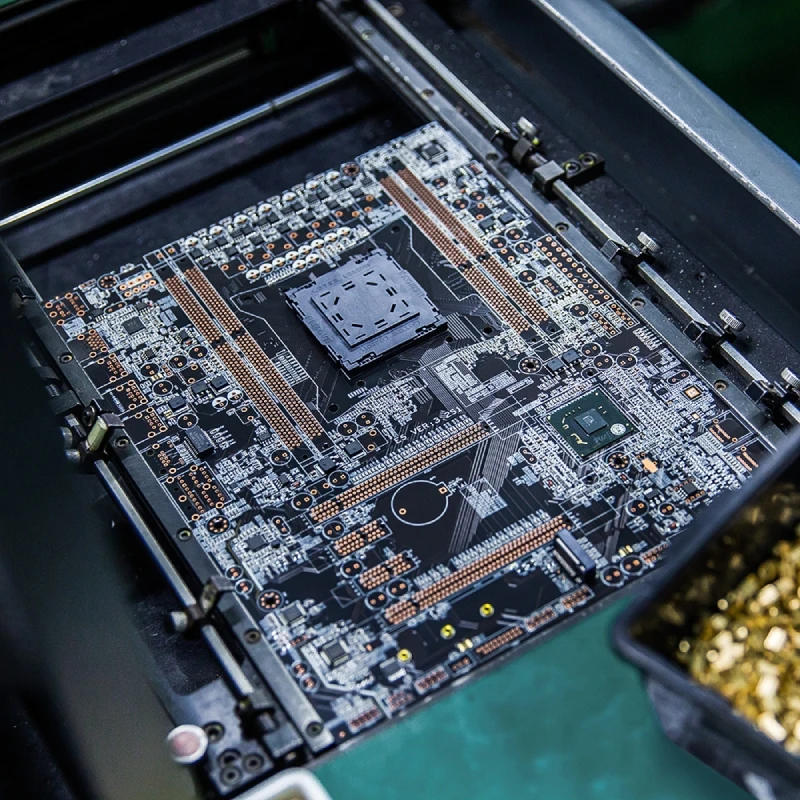
For example, if an HVAC system needs to communicate with other devices, it might require high - speed surface - mount microcontrollers for fast data processing. But if it also needs to handle high - power functions, such as running a compressor, through - hole power transistors can be used. This flexibility allows for a more customized design that can meet the specific needs of different HVAC applications.
Moreover, as technology evolves, new components become available. Mixed technology PCBs can easily adapt to these changes. Designers can add new surface - mount components to enhance the functionality of the system without having to completely redesign the PCB. This future - proofing is a huge advantage for HVAC manufacturers.
Easier Troubleshooting and Maintenance
Troubleshooting and maintenance are important aspects of HVAC systems. Mixed technology PCBs make it easier to identify and fix problems. Through - hole components are larger and easier to access, which means that if there is an issue with a through - hole component, it can be more readily replaced.
Surface - mount components, while smaller, can also be inspected and repaired with the right tools. The combination of different component types on the PCB allows technicians to quickly isolate the source of a problem. For example, if a signal is not being processed correctly, technicians can first check the surface - mount signal - processing components. If that doesn't solve the problem, they can then look at the through - hole power or control components.
High - Density Integration
In modern HVAC systems, there is a growing demand for high - density integration. This means packing more functionality into a smaller space. Mixed technology PCB assembly is perfect for this. Surface - mount components can be placed very close together, allowing for a high level of circuitry integration. Through - hole components can be strategically placed to support the overall system while still maintaining the compact design.
For example, in an HVAC control unit, multiple sensors, microcontrollers, and communication modules need to be integrated into a small space. Mixed technology PCBs can achieve this by using surface - mount sensors and microcontrollers for high - density integration, and through - hole power connectors and relays for reliable power distribution.
Customization for Specific HVAC Requirements
Every HVAC system has its own set of requirements. Whether it's for a residential air conditioner, a commercial HVAC unit, or an industrial ventilation system, mixed technology PCB assembly can be customized to meet these specific needs.
For residential HVAC systems, cost - effectiveness and compactness are often key factors. Mixed technology PCBs can be designed with a good balance of through - hole and surface - mount components to meet these requirements. In commercial HVAC systems, reliability and performance are crucial. Through - hole components can be used more extensively to ensure the system can withstand continuous operation. Industrial ventilation systems may require high - power handling and resistance to harsh environments. Mixed technology PCBs can be designed with appropriate high - power through - hole components and rugged surface - mount components to meet these demands.
Resources for More Information
If you're interested in learning more about the technical aspects of mixed technology PCB assembly, I recommend checking out these resources. You can find more about SMT Stencil Design at SMT Stencil Design. This link will take you to some great information on how stencils are designed for surface - mount technology, which is an important part of mixed technology PCB assembly.
For those who are looking for comprehensive PCB assembly services, Turnkey PCB Assembly is a great place to start. It offers a one - stop solution for all your PCB assembly needs.
And of course, if you want to dive deeper into mixed technology PCB assembly itself, head over to Mixed Technology PCB Assembly. This page has detailed information about the process, benefits, and applications of mixed technology PCBs.
Let's Connect!
If you're in the HVAC industry and are considering using mixed technology PCB assembly in your systems, I'd love to chat. Whether you have questions about the technology, need a custom - designed PCB, or are looking for a reliable supplier, I'm here to help. Just reach out, and we can start discussing how mixed technology PCB assembly can take your HVAC systems to the next level.
References
- Smith, J. (2020). PCB Assembly Technologies and Their Applications in HVAC Systems. Journal of HVAC Engineering.
- Johnson, A. (2019). Cost - Effective PCB Design for HVAC Units. Electronics Today.
- Williams, B. (2021). Reliability of Mixed Technology PCBs in Harsh Environments. International Journal of Electronics and Electrical Engineering.


