


As an X-Ray Inspection supplier, I've seen firsthand the crucial role this technology plays in detecting defects in castings. In this blog post, I'll share the common defects we often find through X-Ray Inspection and why it's so important for the casting industry.
Let's start by understanding why X-Ray Inspection is a big deal in the casting world. Casting is a process where molten metal is poured into a mold to create a specific shape. But this process isn't always perfect, and defects can occur during casting. That's where X-Ray Inspection comes in. It allows us to see inside the casting without damaging it, revealing any hidden issues. You can learn more about X-Ray Inspection on our website.
One of the most common defects we detect in castings is porosity. Porosity refers to the presence of small holes or voids in the casting. These can be caused by a variety of factors, such as gas being trapped in the molten metal during the casting process, or shrinkage as the metal cools down. Porosity can weaken the casting and make it more prone to failure under stress. With X-Ray Inspection, we can easily spot these pores, no matter how small they are, and determine if the casting meets the required standards.
Another frequent defect is cracks. Cracks can form in castings due to thermal stress during cooling, improper handling, or even internal defects in the mold. These cracks can start small but can grow over time, leading to a complete failure of the casting. X-Ray Inspection can detect both surface and internal cracks, giving us a clear picture of the casting's integrity. By identifying these cracks early, manufacturers can take corrective action, such as repairing or scrapping the casting, to avoid costly mistakes down the line.

Inclusions are also a common problem in castings. Inclusions are foreign materials that get mixed into the molten metal during the casting process. These can be pieces of sand from the mold, slag from the melting process, or other impurities. Inclusions can disrupt the flow of metal and create weak points in the casting. X-Ray Inspection can distinguish these inclusions from the surrounding metal, helping us assess the quality of the casting.
Shrinkage cavities are yet another defect we often come across. As the molten metal cools and solidifies, it contracts. If the metal doesn't have enough time to flow and fill the space left by the contraction, shrinkage cavities can form. These cavities are usually larger than pores and can significantly affect the strength and performance of the casting. X-Ray Inspection can accurately locate these shrinkage cavities, allowing manufacturers to adjust their casting process to prevent them from occurring in future castings.
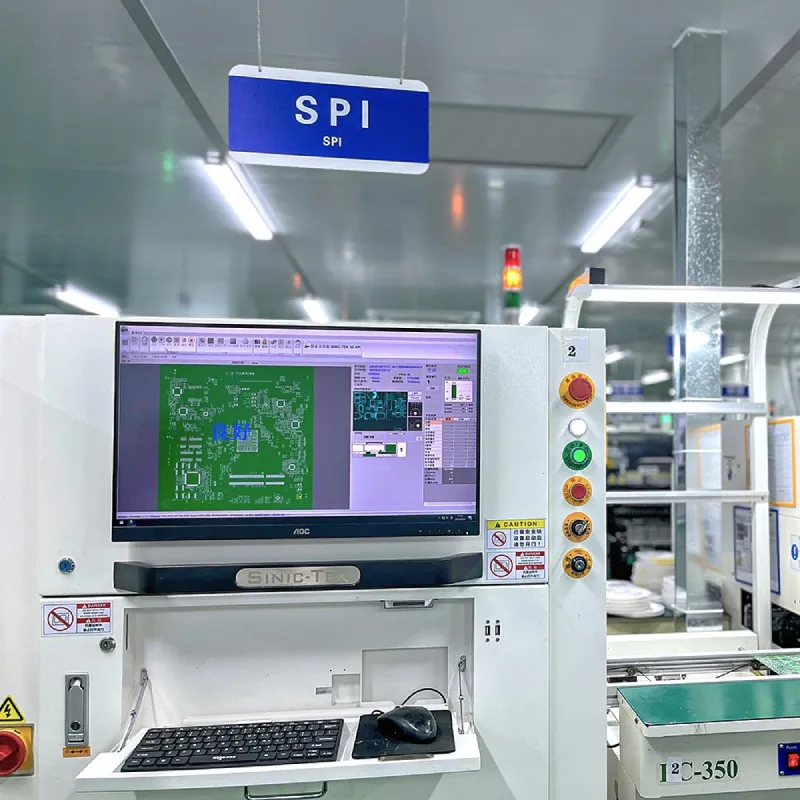
Now, you might be wondering how X-Ray Inspection compares to other inspection methods. There are several other inspection techniques available, such as Solder Paste Inspection, AOI Inspection, FCT Testing, and Burn-In Testing. While each of these methods has its own advantages and is suitable for different applications, X-Ray Inspection stands out when it comes to detecting internal defects in castings. It provides a non-destructive way to examine the entire volume of the casting, which is essential for ensuring its quality.
So, why should you choose our X-Ray Inspection services? Well, we have a team of experienced technicians who are experts in using the latest X-Ray technology. We can provide accurate and detailed reports on the defects found in your castings, along with recommendations on how to address them. Our goal is to help you improve the quality of your castings, reduce waste, and increase the efficiency of your production process.
If you're in the casting industry and are looking for a reliable X-Ray Inspection supplier, we'd love to hear from you. Contact us to discuss your specific needs and how we can help you ensure the quality of your castings. We're always happy to have a chat about your projects and see how we can assist you in making your products better.
In conclusion, X-Ray Inspection is an invaluable tool for detecting common defects in castings such as porosity, cracks, inclusions, and shrinkage cavities. By using this technology, manufacturers can catch these issues early, make necessary adjustments, and produce high-quality castings that meet or exceed industry standards.
References
- Foundry Handbook: Casting Processes and Quality Control
- Journal of Materials Science in the context of Casting Defects Research


