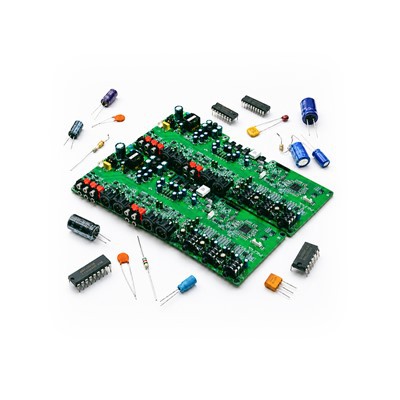
Yo, folks! As a supplier in the Wave Soldering game, I've seen my fair share of issues pop up on the production floor. One problem that really gets under my skin is the lifted lead problem in wave soldering. Let's dig into what this is all about.


First off, what's wave soldering anyway? Wave soldering is a process used in electronics manufacturing to join electronic components to a printed circuit board (PCB). You can learn more about it Wave Soldering. In this process, a wave of molten solder is created, and the PCB with components placed on it is passed over this wave. The solder adheres to the pads and component leads, creating a strong electrical and mechanical connection.
But sometimes, things don't go as planned, and that's when we run into the lifted lead problem. A lifted lead is exactly what it sounds like - a component lead that has come loose from the PCB pad during the soldering process. This can be a real headache because it can lead to poor electrical connections, intermittent failures, and even complete product malfunctions.
So, what causes this lifted lead problem? There are several factors that can contribute to it.
Component and PCB Issues
One of the main culprits is the quality of the components and the PCB itself. If the components have leads that are poorly formed or have a lot of oxidation on them, they may not bond well with the solder. Oxidation creates a barrier between the lead and the solder, preventing a proper connection.
Also, the PCB pads play a crucial role. If the pads are dirty, have a rough surface, or are not properly plated, it can affect the soldering process. For example, if the pad plating is too thin, it may not be able to withstand the heat of the soldering wave, causing the lead to lift.
Soldering Process Variables
The wave soldering process itself has a bunch of variables that can impact the occurrence of lifted leads.
The temperature of the solder wave is super important. If the temperature is too low, the solder may not flow properly and may not form a good bond with the leads. On the other hand, if the temperature is too high, it can cause thermal stress on the components and the PCB, which may lead to the leads lifting.
The speed at which the PCB passes over the solder wave also matters. If the speed is too fast, the solder may not have enough time to wet the leads and pads properly. If it's too slow, the components may be exposed to the heat for too long, increasing the risk of lead lifting.
Another factor is the flux. Flux is used to clean the surfaces of the leads and pads and to promote solder wetting. If the flux is not applied correctly or if it's of poor quality, it can lead to soldering issues, including lifted leads.
Mechanical Stress
During the wave soldering process, the PCB and components can experience mechanical stress. This can happen when the PCB is being transported through the soldering machine, or when it's being clamped in place. If the stress is too high, it can cause the leads to lift.
For example, if the conveyor belt in the wave soldering machine is not running smoothly, it can jolt the PCB and cause the leads to move. Also, if the clamping mechanism is too tight, it can put pressure on the components and lead to lead lifting.
How to Prevent the Lifted Lead Problem
Now that we know what causes the lifted lead problem, let's talk about how to prevent it.
Component and PCB Inspection
Before the soldering process, it's essential to inspect the components and the PCB. Check the leads for any signs of damage or oxidation. If there's oxidation, you can use a cleaning process to remove it. Also, make sure the PCB pads are clean and have the right plating thickness.
Optimize the Soldering Process
You need to fine-tune the wave soldering process parameters. Set the solder wave temperature at the right level based on the type of solder and components you're using. Experiment with different conveyor speeds to find the optimal one for your production. And make sure to use high-quality flux and apply it correctly.
Reduce Mechanical Stress
To reduce mechanical stress, make sure the conveyor belt in the wave soldering machine is running smoothly. You can also use proper clamping mechanisms that apply just the right amount of pressure. Additionally, consider using fixtures or supports to hold the PCB in place during the soldering process.
Comparing with Other Soldering Methods
Wave soldering is just one of the soldering methods out there. Another popular method is Selective Soldering. Selective soldering allows you to solder specific areas of the PCB, which can be useful for components that are sensitive to heat or for PCBs with complex layouts.
DIP Assembly is also related. It involves inserting components into the holes of the PCB and then soldering them. While wave soldering is great for mass production, selective soldering and DIP assembly have their own advantages in certain situations.
Why Choose Our Wave Soldering Services
As a Wave Soldering supplier, we've got a lot of experience in dealing with these issues. We've developed advanced techniques to minimize the risk of lifted leads and other soldering problems. Our team of experts is always on top of the latest industry trends and technologies.
We use high-quality equipment and materials to ensure the best possible soldering results. Our wave soldering machines are calibrated regularly to maintain the right temperature and speed. And we source the best components and PCBs to work with.
If you're in the market for wave soldering services, we'd love to have a chat with you. Whether you're a small startup or a large corporation, we can provide customized solutions to meet your needs. Contact us to start a discussion about your project and how we can help you achieve high-quality soldering results.
References
- "Electronics Manufacturing Handbook"
- "Soldering Technology: Principles and Practice"