


AOI (Automated Optical Inspection) is a cutting-edge technology that has revolutionized the quality control process in various industries, especially in electronics manufacturing. As a leading AOI Inspection supplier, I am excited to share with you how AOI Inspection works and its significance in ensuring high-quality products.
The Basics of AOI Inspection
At its core, AOI Inspection is a non - contact, automated method of visually inspecting printed circuit boards (PCBs), electronic components, and other manufactured items. It uses high - resolution cameras and advanced image processing algorithms to detect defects, such as missing components, misaligned parts, soldering issues, and scratches.
The process begins with the creation of a digital reference model. This model is essentially a perfect representation of the item being inspected. It can be created in several ways, including importing CAD (Computer - Aided Design) data, manually teaching the system by inspecting a known - good sample, or using a combination of both methods.
Once the reference model is established, the item to be inspected is placed under the AOI system. The system's cameras then capture multiple high - resolution images of the item from different angles. These cameras are designed to be sensitive to different wavelengths of light, which helps in detecting various types of defects. For example, some cameras may be able to detect heat signatures, which can indicate potential soldering problems.
The Image Processing Stage
After the images are captured, they are sent to the AOI system's computer for processing. This is where the magic happens. The system uses sophisticated algorithms to compare the captured images with the reference model.
One of the key algorithms used in AOI Inspection is pattern recognition. This algorithm looks for specific patterns in the captured images, such as the shape and size of components, and matches them against the patterns in the reference model. If there are any deviations from the reference model, the system will flag them as potential defects.
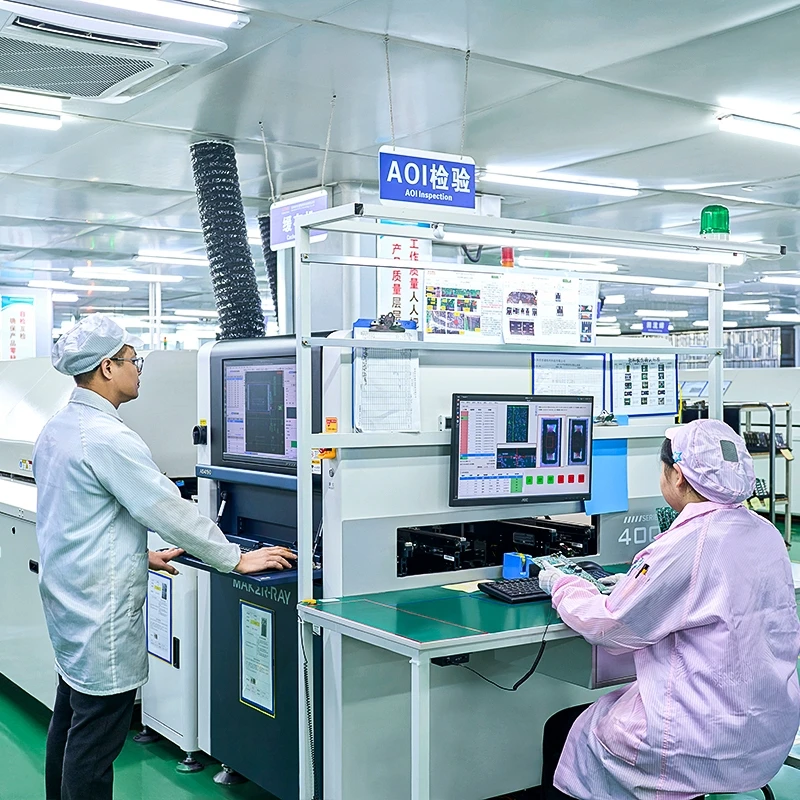
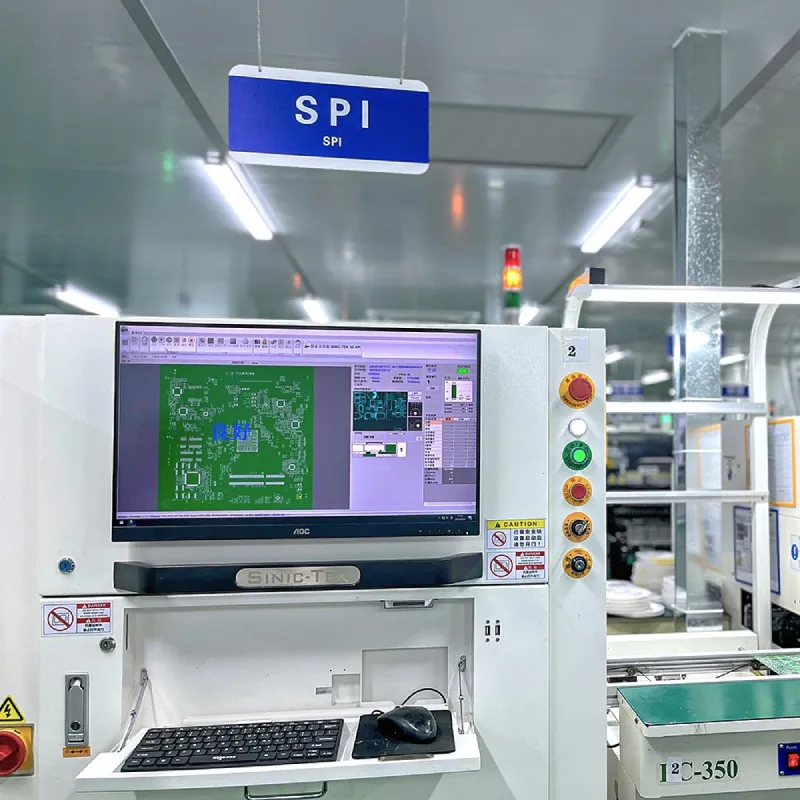
Another important algorithm is edge detection. This algorithm identifies the edges of components and other objects in the images. By comparing the edges in the captured images with those in the reference model, the system can detect misaligned components or damaged edges.
In addition to these algorithms, the AOI system also uses feature extraction. This process involves identifying specific features of the item, such as the color, texture, and brightness of components. By analyzing these features, the system can detect defects that may not be visible through simple pattern recognition or edge detection, such as discolored components or poor - quality solder joints.
Defect Classification and Reporting
Once the AOI system has identified potential defects, it will classify them based on their severity and type. For example, a missing component may be classified as a critical defect, while a minor scratch may be classified as a non - critical defect.
The system will then generate a detailed report that includes information about the detected defects, such as their location, type, and severity. This report can be used by quality control engineers to determine the appropriate course of action. In some cases, the defective items may be sent for rework, while in other cases, they may be rejected.
Integration with Other Testing and Inspection Methods
AOI Inspection is often used in conjunction with other testing and inspection methods, such as ICT Testing and FCT Testing. ICT Testing, or In - Circuit Testing, is a method of testing the electrical performance of individual components on a PCB. It can detect shorts, opens, and other electrical faults. FCT Testing, or Functional Circuit Testing, on the other hand, tests the overall functionality of a printed circuit board assembly.
By combining AOI Inspection with these other methods, manufacturers can achieve a higher level of quality control. For example, AOI Inspection can quickly detect visual defects, while ICT Testing and FCT Testing can detect electrical and functional problems that may not be visible to the naked eye.
Applications of AOI Inspection
AOI Inspection has a wide range of applications in various industries. In the electronics manufacturing industry, it is used to inspect printed circuit boards, semiconductor chips, and other electronic components. By ensuring the quality of these components, AOI Inspection helps to reduce the number of defective products that reach the market, which can save manufacturers a significant amount of money in terms of product recalls and warranty claims.
AOI Inspection is also used in the automotive industry to inspect parts such as engine components, sensors, and electronic control units. In the medical device industry, it is used to inspect medical equipment, such as pacemakers and insulin pumps, to ensure their safety and reliability.
Advantages of AOI Inspection
There are several advantages of using AOI Inspection. Firstly, it is a highly automated process, which means that it can inspect items much faster than manual inspection. This can significantly increase the production efficiency of manufacturers.
Secondly, AOI Inspection is very accurate. It can detect defects that may be missed by human inspectors, especially when it comes to small and complex components. This helps to improve the overall quality of the products.
Thirdly, AOI Inspection is a non - contact method, which means that it does not damage the items being inspected. This is particularly important for delicate electronic components.
Comparison with Other Inspection Methods
Compared to X - Ray Inspection and Solder Paste Inspection, AOI Inspection has its own unique advantages. X - Ray Inspection is mainly used to detect internal defects, such as cracks in semiconductor chips, while Solder Paste Inspection is focused on the quality of the solder paste applied to PCBs.
AOI Inspection, on the other hand, provides a more comprehensive visual inspection of the surface of the item. It can detect a wide range of defects, including those related to components, soldering, and surface finish. However, it may not be as effective as X - Ray Inspection in detecting internal defects.
The Future of AOI Inspection
As technology continues to evolve, AOI Inspection is also expected to become more advanced. One of the trends in the future is the development of 3D AOI Inspection systems. These systems will be able to capture 3D images of the items being inspected, which will provide even more detailed information about the shape and structure of components.
Another trend is the integration of artificial intelligence and machine learning algorithms into AOI Inspection systems. These algorithms will be able to learn from past inspection data and improve the accuracy and efficiency of defect detection over time.
Contact for AOI Inspection Solutions
If you are looking for reliable AOI Inspection solutions for your manufacturing process, we are here to help. As a professional AOI Inspection supplier, we offer a wide range of high - quality AOI systems that are suitable for various industries and applications. Our systems are designed to provide accurate and efficient inspection results, helping you to improve the quality of your products and increase your production efficiency. Contact us today to discuss your specific needs and requirements, and let us work together to find the best AOI Inspection solution for you.
References
- Muzio, J. C., & Huray, P. G. (1999). Handbook of physical properties of advanced materials. CRC Press.
- Maliniak, T. (2002). Printed circuit board inspection using automated optical inspection. IPC - A - 610D.
- Tummala, R. R. (2001). Microelectronics packaging handbook. Springer Science & Business Media.


