


Hey there! As a supplier of AOI Inspection, I often get asked about the difference between 2D and 3D AOI Inspection. So, I thought I'd write a blog post to clear things up and give you a better understanding of these two types of inspection methods.
Let's start with the basics. AOI, or Automated Optical Inspection, is a non - contact inspection technology that uses cameras and lighting to detect defects on printed circuit boards (PCBs) and other electronic components. It's a crucial step in the manufacturing process as it helps ensure the quality and reliability of the final product. You can learn more about AOI Inspection on our website.
2D AOI Inspection
2D AOI Inspection is one of the most commonly used methods in the electronics manufacturing industry. It essentially captures a two - dimensional image of the PCB or component. The system then compares this image to a pre - defined reference image to detect any defects such as missing components, misaligned parts, or soldering issues.
How it Works
The 2D AOI system has a camera that takes a top - down view of the PCB. Multiple lights are used to illuminate the surface from different angles, enhancing the contrast and making it easier to identify potential defects. The image processing software then analyzes the captured image. If there are any differences between the actual image and the reference image, the system flags them as possible defects.
Advantages
- Cost - Effective: 2D AOI systems are generally more affordable than 3D ones. This makes them a great option for small to medium - sized manufacturers who are looking to implement quality control measures without breaking the bank.
- Fast Inspection Speed: Since it only captures 2D images, the inspection process is relatively quick. This allows for high - volume production lines to keep up with their output goals.
- Simple Setup: The setup and calibration of 2D AOI systems are usually simpler compared to 3D systems. This means less downtime during installation and fewer technical skills required for operation.
Limitations
- Limited Depth Information: One of the biggest drawbacks of 2D AOI is that it lacks depth information. It can only detect surface - level defects and may miss issues that are hidden or occur below the surface, such as soldering defects inside a component or uneven solder paste height.
- False Positives: Due to the limited view, 2D AOI may sometimes generate false positives. For example, shadows or reflections on the PCB surface can be misinterpreted as defects, leading to unnecessary re - inspections and delays in the production process.
3D AOI Inspection
3D AOI Inspection takes the inspection process to the next level by adding the third dimension. It provides a more accurate and detailed view of the PCB and its components, allowing for the detection of a wider range of defects.
How it Works
3D AOI systems use multiple cameras and sophisticated lighting techniques to capture the shape and height of the components and solder joints on the PCB. By analyzing the differences in the reflected light from different angles, the system can create a 3D model of the inspected area. This model is then compared to a reference 3D model to identify any discrepancies.
Advantages
- Accurate Depth Information: The main advantage of 3D AOI is its ability to provide accurate depth information. It can easily detect defects that are not visible in 2D, such as insufficient or excessive solder paste, lifted leads, and component height variations.
- Reduced False Positives: With the additional depth data, 3D AOI systems are better able to distinguish between actual defects and non - defect features like shadows or reflections. This results in fewer false positives and a more efficient inspection process.
- Comprehensive Inspection: 3D AOI offers a more comprehensive inspection of the PCB, as it can detect both surface - level and hidden defects. This helps improve the overall quality of the product and reduces the risk of failures in the field.
Limitations
- Higher Cost: 3D AOI systems are generally more expensive than 2D ones. The cost includes not only the equipment but also the software and maintenance. This can be a significant investment for some manufacturers.
- Longer Inspection Time: Since 3D AOI needs to capture and analyze more data, the inspection process is usually slower compared to 2D AOI. This may affect the production throughput, especially in high - volume manufacturing environments.
- Complex Setup and Maintenance: The setup and calibration of 3D AOI systems are more complex. They require more technical expertise, and regular maintenance is necessary to ensure accurate and reliable operation.
Other Related Inspection Methods
In addition to 2D and 3D AOI Inspection, there are several other inspection methods that are often used in the electronics manufacturing industry.
- FCT Testing: Functional Circuit Testing, or FCT, checks the functionality of a PCB or electronic component. It verifies that the product performs as intended under specific conditions.
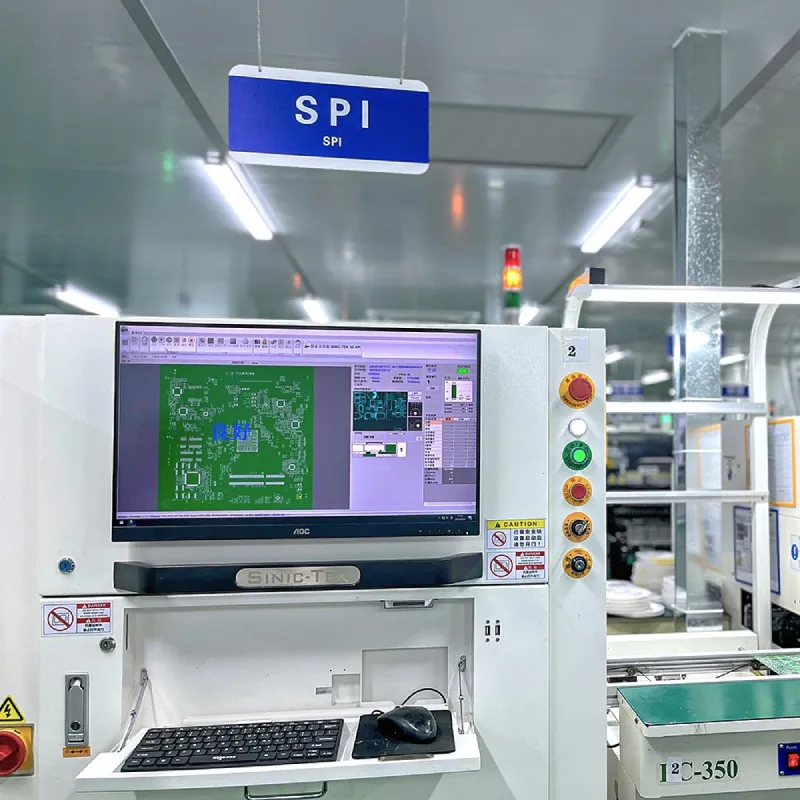
- Solder Paste Inspection: Solder Paste Inspection (SPI) is used to inspect the solder paste applied to the PCB before component placement. It ensures that the right amount of solder paste is deposited in the correct locations.
- X - Ray Inspection: X - Ray Inspection uses X - rays to see inside the PCB and detect hidden defects such as internal soldering issues or the presence of foreign objects.
- Burn - In Testing: Burn - In Testing subjects the product to an extended period of operation under stress conditions to identify early - life failures.
Which One Should You Choose?
The choice between 2D and 3D AOI Inspection depends on several factors, including your production volume, budget, and the level of quality control you require.
- For High - Volume, Cost - Sensitive Production: If you have a high - volume production line and are on a tight budget, 2D AOI may be the right choice. It offers fast inspection speeds and is relatively affordable.
- For High - Quality, Complex Products: If you're manufacturing high - quality, complex products that require a high level of precision and reliability, 3D AOI is the better option. It can detect a wider range of defects and provide more accurate inspection results.
As an AOI Inspection supplier, we can help you determine which type of inspection method is best suited for your specific needs. Our team of experts is always available to answer your questions and provide you with detailed information about our products and services.
If you're interested in learning more about our AOI Inspection solutions or if you're looking to purchase an AOI system, we'd be more than happy to have a chat with you. We can discuss your requirements, provide you with a quote, and guide you through the decision - making process. Whether you need a 2D or 3D system, we've got you covered. So, don't hesitate to reach out and start the conversation about how we can help improve the quality of your products through effective inspection methods.

References
- "Automated Optical Inspection in Electronics Manufacturing" - Industry Report
- "Comparative Analysis of 2D and 3D AOI Technologies" - Research Journal


