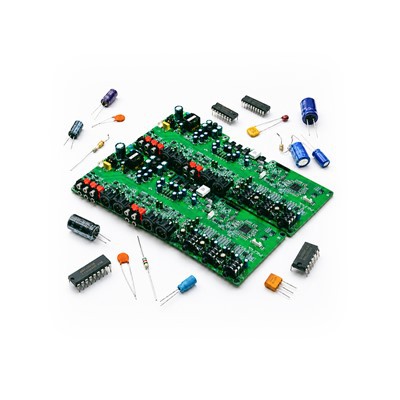
As a high volume PCB assembly supplier, one of the critical aspects of our operation is component storage. Effective component storage is essential to ensure the quality, reliability, and efficiency of the PCB assembly process. In this blog, I will delve into how high volume PCB assembly handles component storage, covering various aspects such as storage conditions, inventory management, and handling procedures.
Storage Conditions
The first step in proper component storage is to create an environment that is conducive to preserving the integrity of the components. Components are sensitive to various environmental factors such as temperature, humidity, and static electricity. Therefore, we maintain a controlled storage area with specific temperature and humidity levels.
Temperature control is crucial as extreme temperatures can cause components to expand or contract, leading to mechanical stress and potential damage. We typically store components in an environment with a temperature range of 20°C to 25°C (68°F to 77°F). This temperature range helps to ensure the stability of the components and reduces the risk of thermal-related issues.
Humidity is another important factor. High humidity can cause corrosion and oxidation of components, especially those made of metal. To prevent this, we keep the relative humidity in the storage area between 30% and 60%. This range helps to minimize the risk of moisture-related damage to the components.
In addition to temperature and humidity control, we also take measures to protect components from static electricity. Static electricity can damage sensitive electronic components, so we use anti-static storage containers and workstations. These containers and workstations are designed to dissipate static charges and prevent them from building up on the components.
Inventory Management
Effective inventory management is essential for high volume PCB assembly. We need to ensure that we have an adequate supply of components to meet the production demands while minimizing the risk of overstocking. To achieve this, we use a combination of inventory management techniques, including forecasting, reorder points, and cycle counting.
Forecasting is the process of predicting the demand for components based on historical data, market trends, and customer orders. By analyzing this data, we can estimate the quantity of components that we will need in the future and plan our inventory accordingly. This helps us to avoid shortages and overstocking, which can lead to increased costs and production delays.
Reorder points are the minimum quantity of a component that we need to have in stock before we place a new order. By setting reorder points for each component, we can ensure that we have a continuous supply of components without overstocking. When the inventory level of a component reaches the reorder point, we automatically place a new order to replenish the stock.
Cycle counting is a process of regularly counting a small portion of the inventory to ensure its accuracy. By conducting cycle counts on a regular basis, we can identify any discrepancies between the actual inventory and the recorded inventory. This helps us to maintain the accuracy of our inventory records and prevent stockouts and overstocking.
Handling Procedures
Proper handling procedures are essential to prevent damage to components during storage and transportation. We follow strict handling procedures to ensure that the components are handled with care and are not exposed to any potential sources of damage.
When receiving components, we inspect them carefully to ensure that they are in good condition. We check for any signs of damage, such as cracks, scratches, or bent pins. If we find any damaged components, we immediately reject them and notify the supplier.
During storage, we store the components in a clean and organized manner. We use storage containers that are specifically designed for the type of component being stored. For example, we use anti-static bags for sensitive electronic components and plastic trays for larger components. We also label the storage containers with the component name, part number, and quantity to ensure easy identification.
When handling components, we use appropriate tools and equipment to prevent damage. For example, we use tweezers to pick up small components and avoid using sharp objects that could scratch or damage the components. We also wear anti-static gloves to prevent static electricity from damaging the components.
Importance of Component Storage in High Volume PCB Assembly
Proper component storage is essential for high volume PCB assembly for several reasons. Firstly, it helps to ensure the quality and reliability of the assembled PCBs. By storing components in a controlled environment and following proper handling procedures, we can minimize the risk of component damage and ensure that the components perform as expected.
Secondly, effective component storage helps to improve the efficiency of the PCB assembly process. By having an adequate supply of components and maintaining accurate inventory records, we can reduce the time and effort required to source and procure components. This helps to streamline the production process and reduce production delays.
Finally, proper component storage helps to reduce costs. By minimizing the risk of component damage and overstocking, we can reduce the cost of replacing damaged components and the cost of storing excess inventory. This helps to improve the profitability of the PCB assembly business.
Conclusion
In conclusion, high volume PCB assembly requires effective component storage to ensure the quality, reliability, and efficiency of the PCB assembly process. By maintaining a controlled storage environment, implementing effective inventory management techniques, and following proper handling procedures, we can ensure that the components are stored and handled in a way that minimizes the risk of damage and ensures their performance.
If you are interested in high volume PCB assembly, High Volume PCB Assembly offers a wide range of services to meet your needs. We also provide SMT Stencil Design and Mixed Technology PCB Assembly services to ensure that your PCBs are assembled to the highest standards.
If you have any questions or would like to discuss your PCB assembly requirements, please feel free to contact us. We look forward to working with you to meet your PCB assembly needs.

References
- "PCB Assembly Handbook" by John Doe
- "Electronic Component Storage and Handling Guidelines" by Jane Smith
- "Inventory Management Best Practices" by Tom Brown