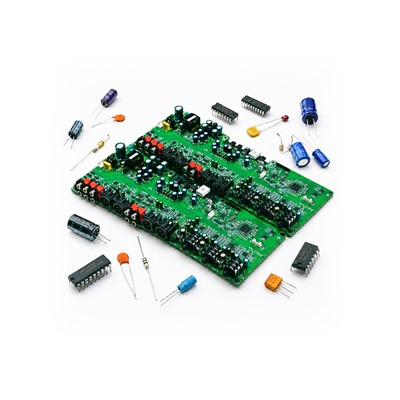
Sourcing components for a defense product is no walk in the park. It's a complex process that requires careful thought and a whole lot of know - how. As a components sourcing supplier, I've seen firsthand the challenges and considerations that go into this critical task. In this blog, I'll share the key factors you need to keep in mind when sourcing components for a defense product.
Quality and Reliability
When it comes to defense products, quality and reliability are non - negotiable. These products are often used in high - stakes situations where failure is not an option. You need components that can withstand extreme conditions, such as high temperatures, humidity, and vibrations.
For example, in military aircraft, components need to function flawlessly at high altitudes and under intense G - forces. A single faulty component could lead to a catastrophic failure. So, when sourcing, you should look for suppliers with a proven track record of producing high - quality components. Check their certifications, like ISO 9001, which indicates that they follow strict quality management systems.
You can also look at the component's history of use in similar defense applications. If a component has been used successfully in multiple projects, it's a good sign that it's reliable. And don't forget about testing. Reputable suppliers will conduct rigorous testing on their components to ensure they meet the required standards.
Compliance and Regulations
Defense products are subject to a whole host of regulations and compliance requirements. These can vary depending on the country, the type of product, and the end - use. For instance, in the United States, the International Traffic in Arms Regulations (ITAR) govern the export of defense - related products and components.
As a sourcing supplier, I make sure that all the components I source comply with relevant regulations. This means verifying that the components are not on any restricted lists and that the suppliers have the necessary licenses to export or manufacture them. It's also important to keep up - to - date with any changes in regulations, as non - compliance can result in hefty fines and legal issues.
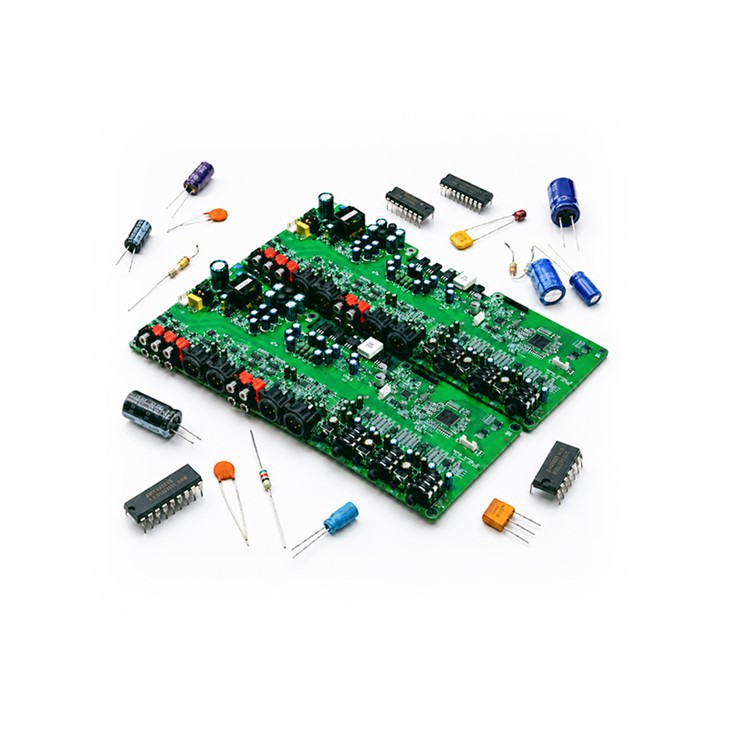
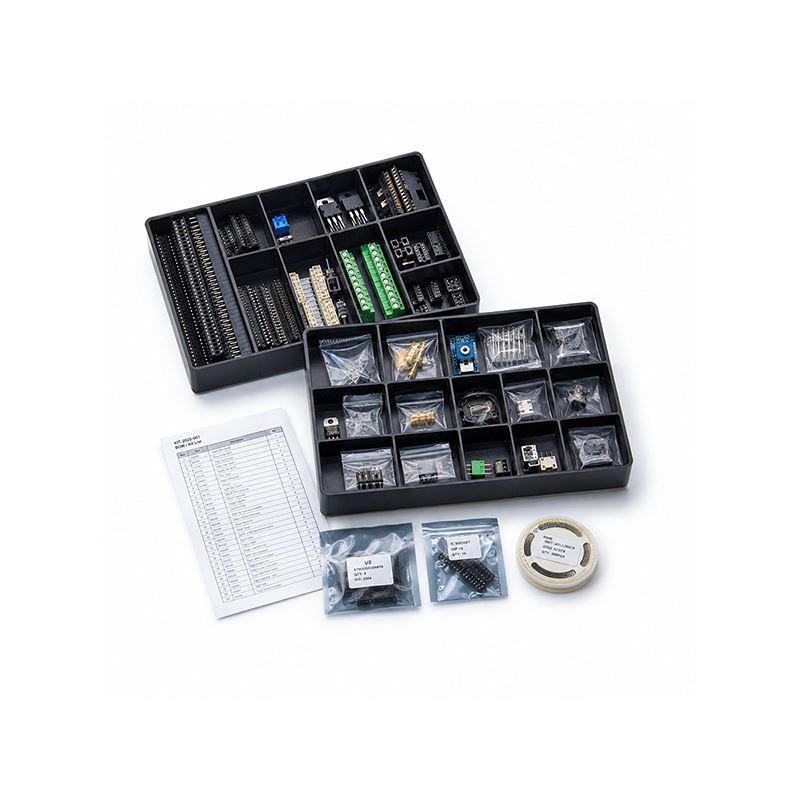
Security and Traceability
Security is a major concern in the defense industry. Components need to be protected from counterfeiting, tampering, and unauthorized access. Counterfeit components can not only lead to product failure but also pose a significant security risk.
To ensure security, you should source components from trusted suppliers. These suppliers should have measures in place to prevent counterfeiting, such as using unique identifiers and serialization. Traceability is also crucial. You need to be able to track the origin of each component, its manufacturing process, and its journey through the supply chain. This helps in case of any quality issues or security breaches.
Cost - Effectiveness
While quality and security are top priorities, cost - effectiveness is also an important factor. Defense budgets are often tight, and you need to find a balance between getting high - quality components and keeping costs down.
One way to achieve cost - effectiveness is to look for alternative suppliers or components. Sometimes, there are similar components on the market that offer the same functionality at a lower cost. You can also negotiate with suppliers for better prices, especially if you're placing a large order.
Another strategy is to consider the total cost of ownership. This includes not only the purchase price of the component but also the cost of maintenance, repair, and replacement over its lifespan. A component that is slightly more expensive upfront but has a longer lifespan and lower maintenance costs can be more cost - effective in the long run.
Lead Time
In the defense industry, time is of the essence. Delays in component sourcing can lead to project delays, which can have serious consequences. You need to work with suppliers who can provide components within the required lead time.
When evaluating suppliers, ask about their production capacity and lead times. Some suppliers may have long lead times due to high demand or complex manufacturing processes. You can also look for suppliers who offer expedited services if you have an urgent need.
Technical Support
Technical support is crucial when sourcing components for defense products. You may encounter technical issues during the installation, testing, or operation of the components. Having a supplier that can provide timely and effective technical support can save you a lot of headaches.
Look for suppliers with a team of experienced engineers who can answer your technical questions and provide solutions. They should also be able to offer training and documentation to help you use the components correctly.
Compatibility
Components need to be compatible with each other and with the overall defense product. Incompatible components can lead to performance issues and even product failure.
Before sourcing components, you should have a clear understanding of the technical specifications of the defense product. This includes factors like voltage, current, and interface requirements. Make sure that the components you source meet these specifications and are compatible with other components in the system.
Environmental Considerations
In today's world, environmental considerations are becoming increasingly important. Defense products are no exception. You need to source components that are environmentally friendly and comply with relevant environmental regulations.
For example, components should be free from hazardous substances like lead, mercury, and cadmium. Look for suppliers who follow environmental management systems, such as ISO 14001. This indicates that they are committed to reducing their environmental impact.
Supply Chain Resilience
The global supply chain is subject to various risks, such as natural disasters, political instability, and trade disputes. These risks can disrupt the supply of components and lead to project delays.
To ensure supply chain resilience, you should diversify your suppliers. Don't rely on a single supplier for all your components. Having multiple suppliers can help you mitigate the risk of supply disruptions. You should also have a contingency plan in place in case of any unexpected events.
Conclusion
Sourcing components for a defense product is a complex process that requires careful consideration of multiple factors. As a components sourcing supplier, I understand the importance of quality, compliance, security, cost - effectiveness, lead time, technical support, compatibility, environmental considerations, and supply chain resilience.
If you're in the market for components for your defense product, I'd love to have a chat with you. I can help you navigate the sourcing process and find the best components for your needs. Whether you're looking for Electronic Components Sourcing, BOM Sourcing, Component Kitting, or Production Support Materials, I've got you covered. Contact me to start the procurement discussion and let's work together to make your defense project a success.
References
- Department of State, “International Traffic in Arms Regulations (ITAR)”, 2023.
- ISO, “ISO 9001:2015 Quality management systems”, 2015.
- ISO, “ISO 14001:2015 Environmental management systems”, 2015.