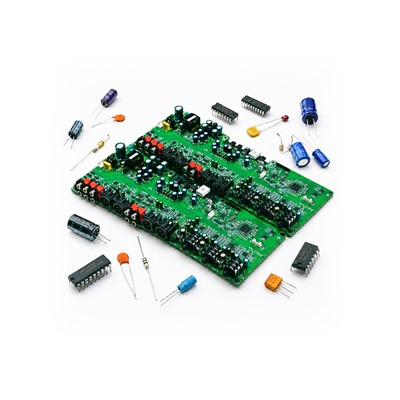
Hey there! As a supplier of SMT BGA Assembly, I've seen firsthand the ins and outs of BGA rework in surface mount technology (SMT) assembly. BGA, or Ball Grid Array, is a type of integrated circuit packaging that uses an array of solder balls on the underside of the component for electrical connection. Reworking these components can be a delicate process, but with the right tools, it can be done efficiently and effectively. In this blog, I'll walk you through the essential tools you need for BGA rework in SMT assembly.
BGA Rework Station
The heart of any BGA rework operation is the BGA rework station. This is a specialized piece of equipment designed to heat the BGA component and the PCB to the appropriate temperature for soldering and desoldering. A good BGA rework station should have precise temperature control, adjustable airflow, and a variety of nozzles to fit different BGA sizes.
There are two main types of BGA rework stations: infrared (IR) and hot air. IR rework stations use infrared radiation to heat the component and the PCB, while hot air rework stations use a stream of hot air. Both types have their advantages and disadvantages, but in general, IR rework stations are better for larger components and more precise temperature control, while hot air rework stations are more versatile and can be used for a wider range of components.
Solder Paste
Solder paste is a crucial component in BGA rework. It's a mixture of tiny solder particles and flux, which helps to clean the surfaces of the component and the PCB and promote solder flow. When choosing solder paste for BGA rework, it's important to select a paste that is compatible with the type of solder used in the original assembly.
The particle size of the solder paste is also an important consideration. For BGA components, a finer particle size is usually preferred, as it allows for better printing and soldering. Additionally, the flux in the solder paste should have good wetting properties and be able to withstand the high temperatures involved in the rework process.
SMT Stencil
A SMT stencil is a thin metal or plastic sheet with holes cut in it to match the solder pads on the PCB. It's used to apply the solder paste evenly onto the pads before placing the BGA component. The quality of the stencil can have a significant impact on the quality of the solder joints, so it's important to choose a stencil that is made from high-quality materials and has precise hole sizes and shapes.
When selecting a SMT stencil for BGA rework, you can find more information about SMT Stencil Design. Different types of stencils are available, including laser-cut stencils, electroformed stencils, and etched stencils. Laser-cut stencils are the most common type and offer a good balance between cost and quality.
Pick and Place Tool
A pick and place tool is used to pick up the BGA component and place it accurately onto the solder paste on the PCB. There are several types of pick and place tools available, ranging from simple manual tools to sophisticated automated machines.
For small-scale BGA rework, a manual pick and place tool can be sufficient. These tools typically use a vacuum or a mechanical gripper to hold the component and allow you to position it precisely on the PCB. For larger-scale operations or more complex components, an automated pick and place machine may be necessary.
Solder Wick
Solder wick, also known as desoldering braid, is a thin copper braid that is used to remove excess solder from the PCB pads during BGA rework. When heated, the solder is drawn into the braid by capillary action, leaving the pads clean and ready for the new component.
To use solder wick, simply place it over the excess solder and apply heat with a soldering iron. As the solder melts, it will be absorbed into the wick. Once the wick is saturated with solder, cut off the used portion and repeat the process until all the excess solder has been removed.
Magnifying Glass or Microscope
A magnifying glass or microscope is an essential tool for inspecting the BGA component and the PCB during rework. It allows you to see the tiny solder balls and pads clearly, making it easier to detect any defects or issues.
For basic inspection, a simple magnifying glass with a magnification of 5x to 10x can be sufficient. However, for more detailed inspection, a microscope with a higher magnification (e.g., 20x to 50x) may be necessary. Some microscopes also come with built-in cameras, which allow you to capture images of the component and the PCB for documentation and analysis.
Flux
Flux is a chemical compound that is used to clean the surfaces of the component and the PCB and promote solder flow. It helps to remove oxides and other contaminants from the surfaces, allowing the solder to bond more effectively.
There are several types of flux available, including rosin-based flux, water-soluble flux, and no-clean flux. Rosin-based flux is the most common type and offers good soldering performance, but it can leave a residue on the PCB that needs to be cleaned. Water-soluble flux can be easily cleaned with water, but it may require more careful handling to prevent corrosion. No-clean flux is designed to leave little or no residue after soldering, making it a popular choice for many applications.
Cleaning Supplies
After BGA rework, it's important to clean the PCB to remove any flux residue, solder balls, or other contaminants. This helps to prevent corrosion and ensure the long-term reliability of the assembly.
Common cleaning supplies for BGA rework include isopropyl alcohol, cleaning brushes, and lint-free wipes. Isopropyl alcohol is a popular choice for cleaning PCBs because it evaporates quickly and leaves no residue. Cleaning brushes are used to scrub the PCB gently, while lint-free wipes are used to dry the PCB and remove any remaining contaminants.
Conclusion
In conclusion, BGA rework in SMT assembly requires a combination of specialized tools and skills. By investing in the right tools and following the proper procedures, you can ensure that your BGA rework operations are efficient, effective, and high-quality.
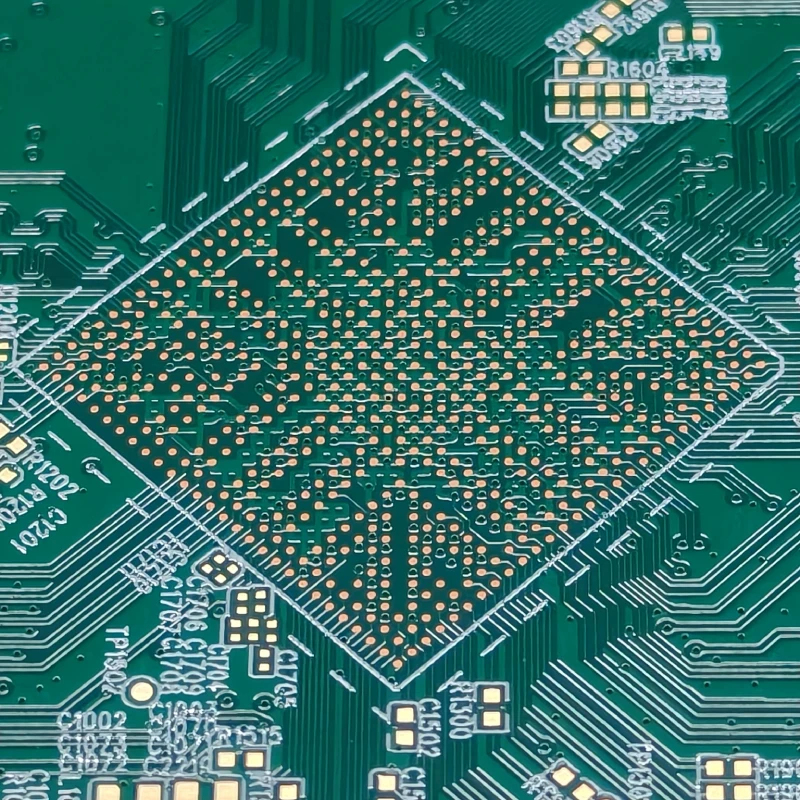

If you're involved in SMT BGA Assembly, Mixed Technology PCB Assembly, Fine Pitch SMT, or High Volume PCB Assembly, having the right tools for BGA rework is essential. Whether you're a small repair shop or a large manufacturing facility, we can provide you with the tools and expertise you need to get the job done right.
If you're interested in learning more about our SMT BGA assembly services or have any questions about the tools and processes involved in BGA rework, feel free to contact us for a detailed discussion. We're here to help you optimize your assembly processes and ensure the success of your projects.
References
- IPC-A-610: Acceptability of Electronic Assemblies
- IPC-7711/21: Rework, Modification, and Repair of Electronic Assemblies
- SMTA Assembly Processes Handbook