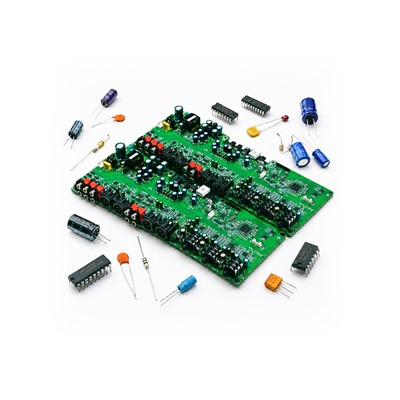
Hey there! I'm part of a components sourcing supplier, and today I wanna chat about how to source components with a focus on energy efficiency. In a world where energy conservation is becoming more and more crucial, it's super important for us to make smart choices when it comes to the components we source.
Why Energy Efficiency Matters in Component Sourcing
First off, let's talk about why energy efficiency is such a big deal. For starters, it helps cut down on energy costs. Whether it's for a small electronic device or a large industrial machine, components that use less energy mean lower electricity bills. That's a win - win for both the manufacturers and the end - users.
Secondly, it's great for the environment. By choosing energy - efficient components, we're reducing the overall carbon footprint. With the increasing concern about climate change, every little bit helps. And in many industries, there are regulations and standards regarding energy consumption, so sourcing energy - efficient components can also keep you compliant.
Understanding Energy - Efficient Components
Before we start sourcing, we need to understand what makes a component energy - efficient. For electronic components, things like low - power chips are a good example. These chips are designed to perform their functions while using minimal energy. They're often used in portable devices like smartphones and tablets, where battery life is a major concern.
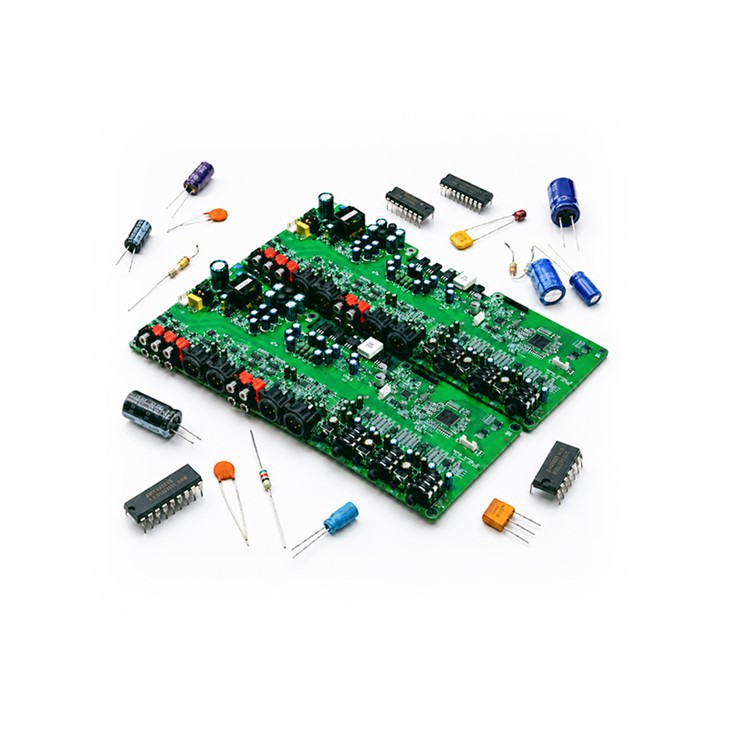
Capacitors and resistors can also be energy - efficient. High - quality capacitors with low equivalent series resistance (ESR) can reduce energy losses, while precision resistors can help in optimizing circuits for better energy use.
In the case of mechanical components, things like energy - efficient motors are key. Motors that use advanced technologies like variable frequency drives (VFDs) can adjust their speed according to the load, which saves a lot of energy compared to traditional motors that run at a fixed speed.
Researching Energy - Efficient Component Suppliers
Once we know what we're looking for, the next step is to find the right suppliers. One of the best ways to start is by doing online research. You can check out industry forums and blogs where professionals share their experiences with different suppliers. There are also directories that list suppliers based on the type of components they offer and their energy - efficiency ratings.
When researching, look for suppliers who have a good track record in providing energy - efficient components. Check for certifications like Energy Star, which is a well - known standard for energy - efficient products. You can also look for suppliers who are involved in research and development to continuously improve the energy efficiency of their components.
Evaluating Supplier Quotes
When you start getting quotes from suppliers, don't just focus on the price. Look at the energy - efficiency features of the components they're offering. A slightly more expensive component that is highly energy - efficient can save you a lot of money in the long run.
Compare the power consumption ratings of different components. Some suppliers may provide detailed specifications about the energy use of their products, so make sure to analyze these carefully. Also, consider the warranty and after - sales support. A good supplier will stand behind their energy - efficient components and offer support in case of any issues.
BOM Sourcing for Energy Efficiency
BOM Sourcing is an important part of the component sourcing process. When creating a bill of materials (BOM), make sure to prioritize energy - efficient components. Work with your engineering team to identify the components that have the most impact on energy consumption in your product.
For example, if you're building a computer, the power supply unit (PSU) is a major energy - consuming component. Look for PSUs with high efficiency ratings. You can also consider using energy - efficient hard drives and memory modules. By carefully selecting components for your BOM, you can ensure that your product as a whole is energy - efficient.
Electronic Components Sourcing
Electronic Components Sourcing requires a bit of knowledge about the latest technologies. Keep an eye on emerging trends in energy - efficient electronics. For instance, the development of new semiconductor materials that can reduce power consumption is an area to watch.
When sourcing electronic components, consider the supplier's ability to provide technical support. Energy - efficient components may require specific design considerations, and having a supplier who can offer advice can be very helpful. You can also look for suppliers who offer component testing services to ensure that the components meet the energy - efficiency standards you need.
Component Kitting
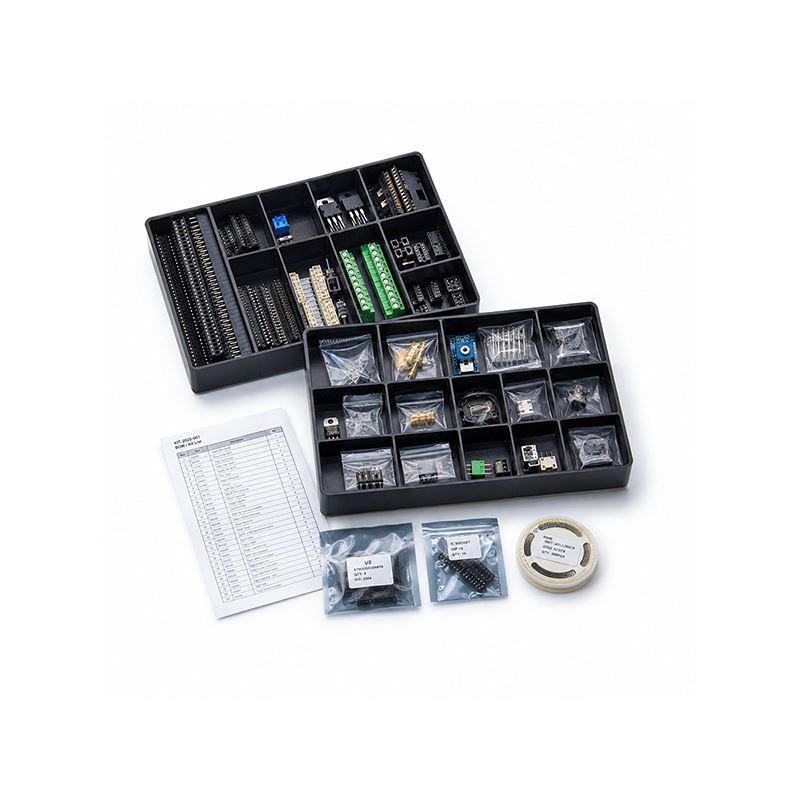
Component Kitting can be a great way to streamline the sourcing process. A kitting service provider can assemble all the components you need for a particular product into a single package. This not only saves time but also ensures that you get all the energy - efficient components in one go.
When choosing a kitting service, make sure they have experience in working with energy - efficient components. They should be able to source the right components and assemble them correctly. You can also ask them to provide a breakdown of the energy - efficiency features of each component in the kit.
Production Support Materials
Production Support Materials are also important in the context of energy efficiency. Things like soldering materials and cleaning agents can have an impact on the energy consumption during the production process.
Look for soldering materials that require less heat to melt, as this can save energy. Similarly, choose cleaning agents that are effective with minimal energy use. Some suppliers offer eco - friendly production support materials that are designed to be energy - efficient and environmentally friendly.
Challenges in Sourcing Energy - Efficient Components
Of course, sourcing energy - efficient components isn't without its challenges. One of the main issues is the availability of these components. Some energy - efficient components may be in high demand, and there could be supply shortages. It's important to build good relationships with suppliers to ensure a steady supply.
Another challenge is the cost. Energy - efficient components can sometimes be more expensive than their traditional counterparts. However, as mentioned earlier, the long - term savings in energy costs can often outweigh the initial investment. You may need to work with your finance team to justify the higher upfront cost.
Tips for Successful Energy - Efficient Component Sourcing
- Stay Informed: Keep up with the latest industry news and technological advancements. This will help you identify new energy - efficient components as they become available.
- Build Relationships: Develop strong relationships with your suppliers. They can provide you with early access to new products and help you navigate any supply chain issues.
- Test and Validate: Before committing to a large order, test the energy - efficient components in your products. This will ensure that they meet your performance and energy - efficiency requirements.
Conclusion
Sourcing components with a focus on energy efficiency is not only good for the bottom line but also for the environment. By understanding the different types of energy - efficient components, researching suppliers, and carefully evaluating quotes, you can make smart sourcing decisions. Whether it's through BOM Sourcing, Electronic Components Sourcing, Component Kitting, or choosing the right Production Support Materials, every step counts.
If you're interested in discussing your component sourcing needs and how we can help you focus on energy efficiency, don't hesitate to reach out. We're here to assist you in finding the best components for your projects.
References
- "Energy - Efficient Electronics: Principles and Practices" by John Doe
- "Handbook of Energy - Efficient Components" by Jane Smith
- Industry reports from leading electronics and component associations.