


Selective soldering is a crucial process in the electronics manufacturing industry, offering precise and efficient soldering solutions for through-hole components on printed circuit boards (PCBs). As a leading Selective Soldering supplier, we understand the challenges that manufacturers face when trying to achieve high-quality solder joints. In this blog, we will explore various strategies to prevent soldering defects in selective soldering, ensuring optimal performance and reliability of your electronic products.
Understanding Selective Soldering
Before delving into defect prevention, it's essential to have a clear understanding of selective soldering. Selective soldering is a targeted soldering process that enables the soldering of specific components on a PCB, unlike Wave Soldering, which solders all through-hole components en masse. This process is ideal for complex PCBs with a mix of surface mount and through-hole components or when manual soldering, such as Manual Through Hole Assembly, is not feasible due to high production volumes.
Common Soldering Defects in Selective Soldering
There are several common soldering defects that can occur during the selective soldering process. Recognizing these defects is the first step in preventing them.
1. Cold Solder Joints
Cold solder joints are characterized by a grainy, dull appearance and poor electrical conductivity. They occur when the solder does not melt or cool properly, often due to insufficient heat or rapid cooling. This can lead to intermittent connections, which are difficult to detect and can cause product failures over time.
2. Bridging
Bridging happens when the solder forms an unwanted connection between two or more conductive pads or traces. This is typically caused by excessive solder volume, improper solder wave height, or misaligned components. Bridging can result in short circuits, which can damage the PCB and the electronic components.
3. Solder Skips
Solder skips occur when the solder fails to cover the entire pad or component lead. This can be due to poor wetting, which is the ability of the solder to spread and adhere to the surface. Poor wetting can be caused by contaminated surfaces, improper flux application, or incorrect soldering temperatures.
4. Tombstoning
Tombstoning, also known as drawbridging, is a defect where one end of a surface mount component lifts off the PCB, resembling a tombstone. This is usually caused by uneven heating, which creates an imbalance in the surface tension forces acting on the component during the soldering process.
Strategies to Prevent Soldering Defects
1. Pre - process Preparation
- PCB Design Optimization: Ensure that the PCB design is optimized for selective soldering. This includes proper pad sizing, spacing, and orientation of components. Adequate clearance between pads can help prevent bridging, while proper pad sizing ensures sufficient solder wetting.
- Component Inspection: Thoroughly inspect all components before the soldering process. Check for damaged leads, incorrect component placement, and proper seating in the PCB. Any defective components should be replaced to avoid soldering issues.
- Flux Selection and Application: Choose the appropriate flux for your selective soldering process. Flux helps to clean the surfaces, reduce oxidation, and improve solder wetting. Ensure that the flux is applied evenly and in the correct amount. Over - application of flux can lead to excessive solder spread and bridging, while under - application can result in poor wetting and solder skips.
2. Process Parameter Control
- Temperature Management: Maintain precise control over the soldering temperature. The preheating temperature, solder pot temperature, and soldering time all play a crucial role in achieving high - quality solder joints. Insufficient heat can lead to cold solder joints, while excessive heat can cause thermal damage to the components and the PCB.
- Solder Wave Height and Speed: Properly adjust the solder wave height and speed. The solder wave height should be set to ensure complete coverage of the component leads and pads, while the speed should be optimized to allow sufficient time for the solder to wet the surfaces without causing excessive splashing or bridging.
3. Equipment Maintenance
- Regular Cleaning: Keep the selective soldering equipment clean, including the solder pot, nozzles, and flux applicators. Contaminants in the solder pot can affect the quality of the solder joints, while clogged nozzles can lead to uneven solder application.
- Calibration: Regularly calibrate the selective soldering equipment to ensure accurate temperature, pressure, and movement control. This helps to maintain consistent soldering quality and prevent defects.
4. Operator Training
- Skill Development: Provide comprehensive training to the operators on the selective soldering process, including equipment operation, defect recognition, and troubleshooting. Well - trained operators are more likely to identify and prevent potential soldering defects.
- Quality Awareness: Foster a culture of quality awareness among the operators. Encourage them to take pride in their work and to report any issues promptly to minimize the production of defective products.
Case Studies
Let's look at some real - world examples of how our customers have successfully prevented soldering defects using our selective soldering solutions.
One of our customers, a major electronics manufacturer, was experiencing high rates of cold solder joints and bridging in their selective soldering process. After a thorough analysis of their process, we recommended several improvements, including optimizing the PCB design, adjusting the soldering temperature and wave height, and providing operator training. As a result, the customer was able to reduce the defect rate by over 80%, significantly improving the quality of their products and reducing production costs.
Another customer was struggling with solder skips due to poor wetting. By switching to a more suitable flux and ensuring proper flux application, they were able to eliminate the solder skip issue and achieve consistent, high - quality solder joints.
The Role of Selective Soldering in Through - Hole Assembly
Selective soldering is an integral part of Through - Hole Assembly. It offers several advantages over other soldering methods, such as wave soldering and manual through - hole assembly. These advantages include higher precision, reduced risk of damage to sensitive components, and the ability to solder complex PCB designs.

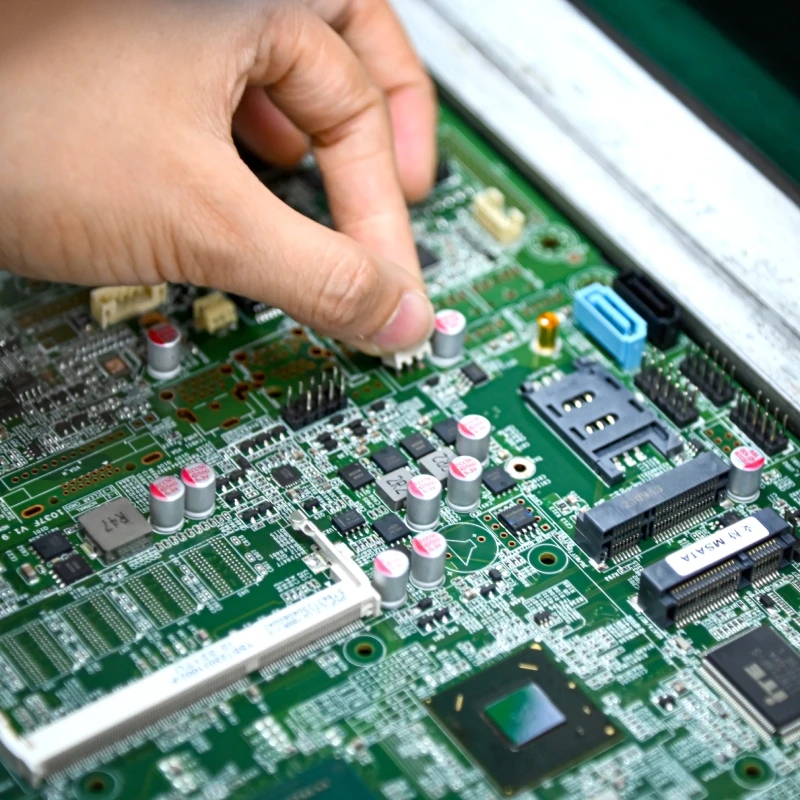
However, to fully realize the benefits of selective soldering, it's crucial to prevent soldering defects. By following the strategies outlined in this blog, manufacturers can ensure that their selective soldering process is efficient, reliable, and produces high - quality solder joints.
Conclusion
Preventing soldering defects in selective soldering is a multifaceted process that requires careful consideration of various factors, including pre - process preparation, process parameter control, equipment maintenance, and operator training. As a Selective Soldering supplier, we are committed to providing our customers with the best - in - class equipment, materials, and technical support to help them achieve optimal soldering quality.
If you are interested in improving your selective soldering process and preventing soldering defects, we invite you to contact us for a detailed consultation. Our team of experts will work closely with you to understand your specific requirements and develop customized solutions that meet your needs.
References
- "Fundamentals of Soldering for Electronics," by Henry C. Lau
- "Printed Circuit Board Assembly: Design, Process, and Quality Control," by Jeng - Horng Sheu


